White label vs private label products explained
Both put your brand on the product, and they get there by different routes. Here’s how white label and private label compare on control, cost, minimums and lead times, and how to decide which fits your business.
- White label products use existing designs that retailers can sell under their own branding.
- Private label products offer more opportunities to customize materials, features and designs.
- White labeling often launches faster because the product already exists.
- Private labeling requires more planning, including potential sampling costs, production minimums and longer lead times.
- Your sourcing decision should reflect demand. Testing existing products with no minimums on most items can help you spot opportunities before investing in custom manufacturing.
A branded product doesn’t have to start with a custom design. You can put your name on something a manufacturer already makes, or work with a supplier to create a product that’s yours alone. The difference affects your upfront costs, how much inventory you need, and how quickly you can start selling.
White label and private label products both let retailers build collections under their own brand, but they take different approaches to sourcing. One offers a faster route to market using existing products. The other gives you more control over what you sell, often with a larger investment. Here’s how the two models compare and what to consider before choosing one for your business.
White label vs private label: What’s the difference?
The biggest difference between white label and private label products is how much control you have over the product itself.
White label products start with an existing design
White label products are manufactured for multiple retailers to sell under their own branding. The product stays largely the same, while each retailer controls its packaging, presentation, and marketing.
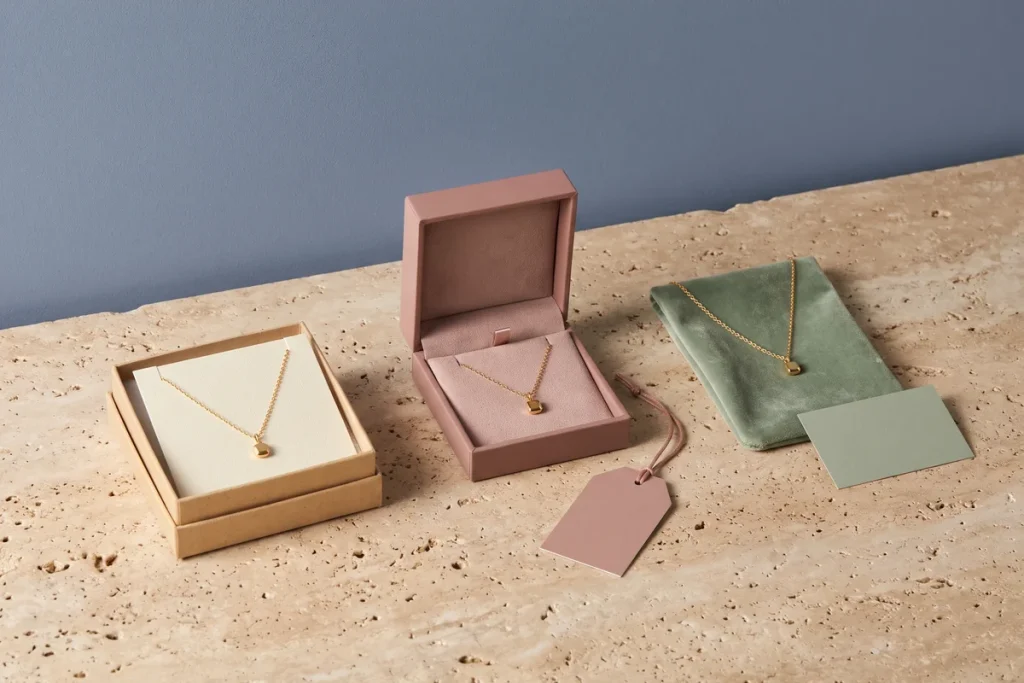
For example, several boutiques might purchase the same necklace design from a supplier. Each store sells it using its own packaging and brand identity. The jewelry isn’t exclusive, but the presentation creates a distinct customer experience.
Private label products offer more customization
Private label products are manufactured for a particular retailer or brand, often with more control over materials, design, features, or packaging. A boutique might work with a manufacturer to develop a necklace with a specific pendant shape, chain length, or finish.
Not every private label arrangement involves creating something entirely new. Some manufacturers customize existing designs, so the level of control depends on the supplier and production agreement.
How the two sourcing models compare
Exact requirements depend on the manufacturer and product.
Why retailers choose white label products
White labeling gives retailers a way to create branded merchandise without developing products from scratch. Instead of spending time on product design and manufacturing, you can focus on selecting merchandise that fits your customers.
Find products that reflect your brand
Start with products that complement your existing assortment. Jewelry, handbags, clothing, and accessories can all be candidates when suppliers offer branding options.
A boutique could explore wholesale jewelry to identify designs that match its style, then work with an eligible supplier to add branded packaging. Choose products customers already have a reason to buy, rather than relying on branding alone to create demand.
Packaging can make an existing product feel distinct
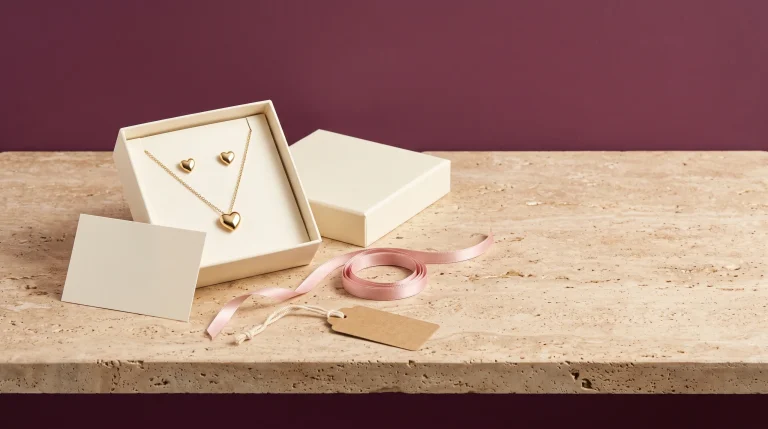
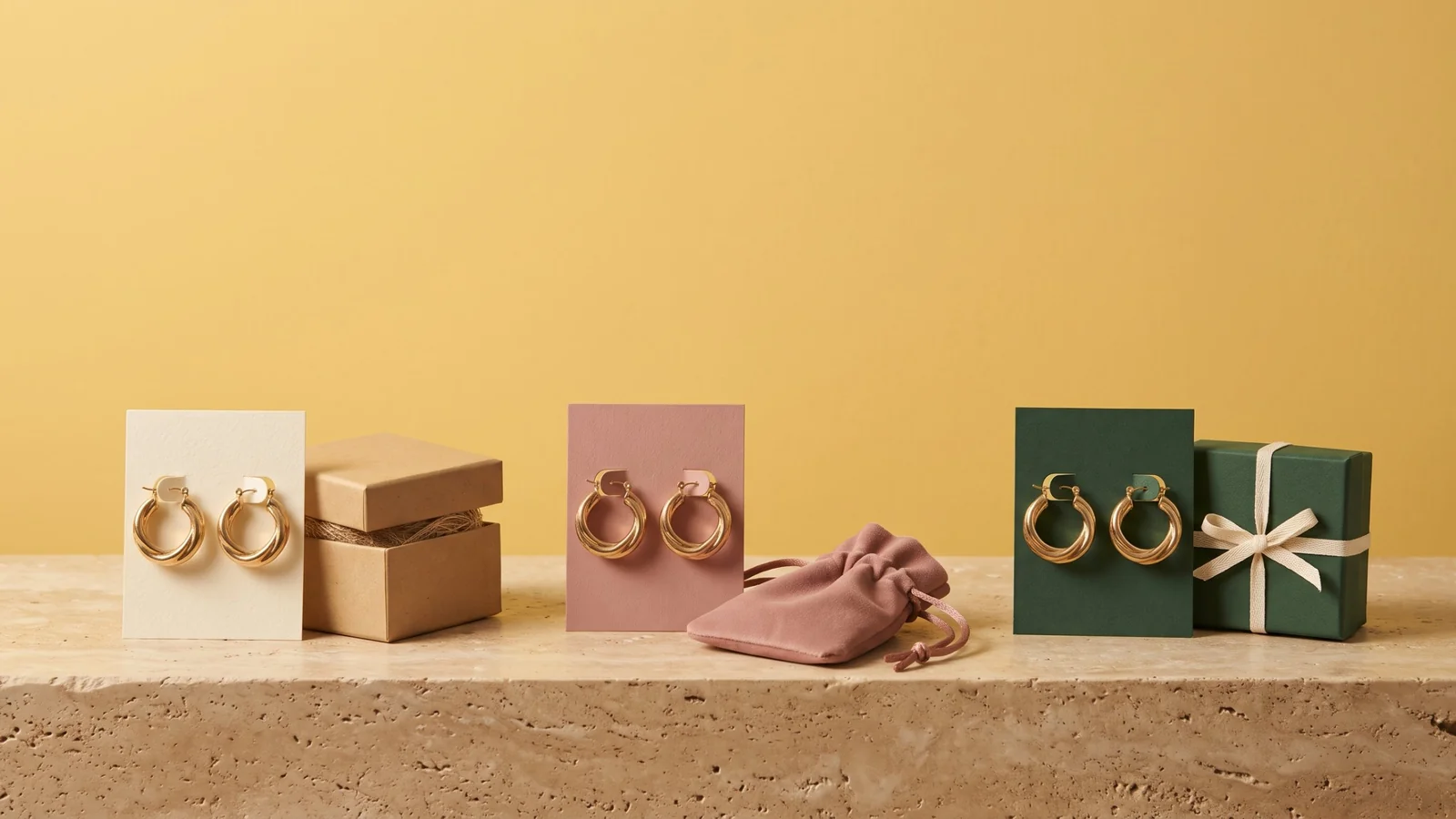
Branded display cards, labels, hangtags, and packaging help create a consistent identity across your collection. For example, a boutique selling ready-made earrings might use coordinated display cards and packaging. The earrings remain unchanged, but the presentation connects them to the store’s brand.
Before ordering, confirm which branding options the supplier offers and whether custom packaging has separate minimum quantities.
Compare quality before committing
Similar-looking products can differ in materials, finishes, and construction. Request samples when possible, review product specifications, and calculate the total cost of bringing each item into your store. Product quality matters even more when customers associate the merchandise with your brand.
When private label manufacturing makes sense
Private labeling becomes useful when existing wholesale products don’t offer the differentiation your brand needs. Maybe customers respond to a particular handbag style, but you want to change its dimensions, materials, or hardware. Custom manufacturing gives you more control over those details.
A clear product brief makes manufacturing easier
Before approaching a manufacturer, identify the features that matter most. Specify materials, dimensions, colors, finishes, packaging, and any design requirements. Clear specifications make it easier for suppliers to evaluate feasibility and provide accurate quotes.
You can also explore Everful’s private label wholesale suppliers page when researching your sourcing options.
Samples help catch problems early
Sampling gives you an opportunity to evaluate a product before committing to production. Review construction, materials, appearance, and functionality. If adjustments are needed, work with the manufacturer to finalize the design before approving a larger order.
Custom production also requires more coordination. Build time into your schedule for sample revisions, approvals, manufacturing, and shipping.
The real cost of white label vs private label products
The lowest unit price isn’t always the most affordable sourcing option. What matters is how much you need to invest before a product starts generating revenue.
White labeling generally reduces development expenses because the product already exists. Your added costs may involve labels, packaging, or other branding materials. Private labeling can introduce design expenses, prototypes, tooling, and production setup costs.
Minimum orders and inventory commitments
White label suppliers may offer smaller orders because their products are already manufactured. Custom labels and packaging can still require minimum quantities, though. Private label manufacturers often need larger production runs to cover specialized materials or manufacturing setup.
That makes inventory planning especially important. A larger order may reduce the cost per unit while increasing the amount of capital tied up in products that haven’t sold yet.
Lead times affect more than your launch date
Existing products can often reach your assortment sooner, especially when suppliers have inventory on hand. Private label products typically require more time for development and production. Delays can affect seasonal launches, promotional schedules, and inventory availability.
Before choosing a supplier, confirm the complete timeline and any added costs associated with customization.
What do these products look like in practice?
The distinction becomes easier to understand when applied to familiar retail categories.
Jewelry and fashion accessories
A boutique purchasing existing earrings and placing them on branded display cards is using a white label approach. A retailer commissioning earrings with a custom shape, finish, or material is moving toward private label manufacturing.
Wholesale fashion accessories can provide a starting point for retailers exploring new product categories.
Clothing and handbags
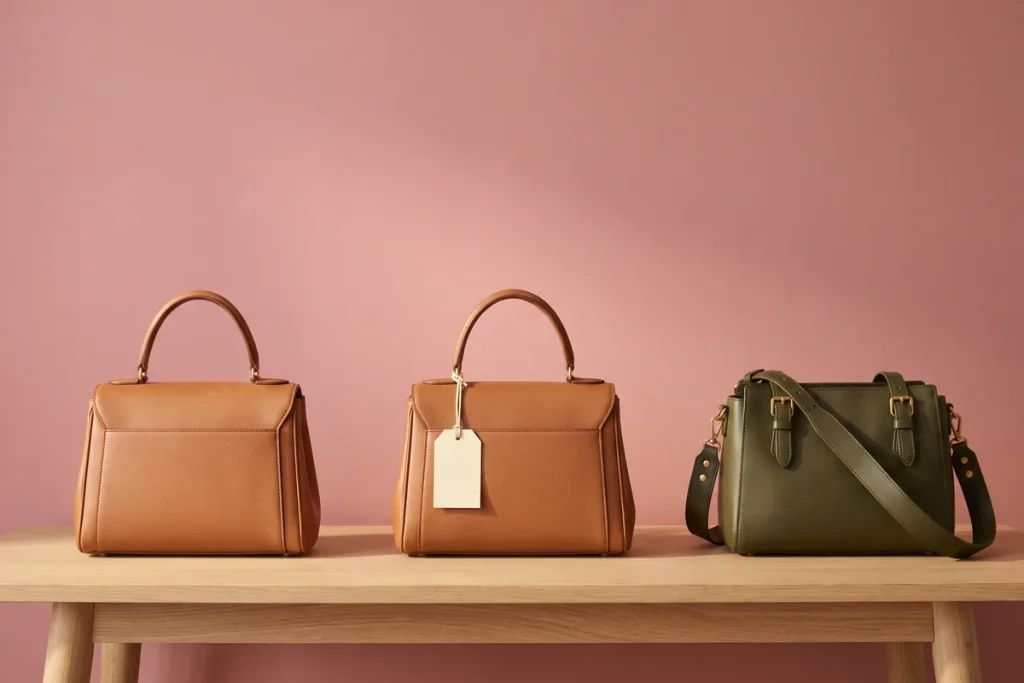
White label clothing might involve adding branded tags to existing garments while leaving the fit and construction unchanged. Private label apparel can involve customized sizing, materials, or colors. A handbag brand might request specific hardware, lining, or compartments.
The more changes you make to the product itself, the more involved the manufacturing process becomes.
Which sourcing model fits your business?
The right choice depends on what you’re trying to accomplish.
White labeling may be a better fit when:
- You’re testing a new product category.
- You want to launch without developing original designs.
- Your budget or inventory capacity is limited.
- Branded packaging provides enough differentiation.
Private labeling may make more sense when:
- Your brand needs specific product features or materials.
- Existing wholesale products don’t meet customer expectations.
- You have enough demand to support larger production runs.
- Product differentiation is central to your business.
You don’t have to choose one model for your entire assortment. Many retailers begin with existing products and invest in custom designs after learning what their customers want.
Build your branded assortment with Everful
Creating a branded collection starts with choosing products that fit your customers. Everful’s factory-direct sourcing gives retailers access to wholesale merchandise across categories, making it easier to explore product ideas before committing to custom production.
With no minimum orders on most products, retailers can start with a single piece where eligible. This flexibility helps businesses evaluate merchandise and test demand before placing larger orders.
For retailers interested in branding their own products, Everful’s custom branding is a starting point for exploring available options. Confirm product eligibility, branding requirements, and minimum quantities before ordering, since custom work may have different terms from standard wholesale purchases.
Build your next collection around products customers want to buy. Explore Everful’s wholesale products for retailers and use what you learn to decide when custom branding or private label manufacturing makes sense.
Common questions about white label and private label products
What is the difference between white label and private label products?
White label products are existing items sold under a retailer’s branding. Private label products are manufactured for a particular brand and can involve customized materials, features, or designs.
What are examples of white label products?
Examples include ready-made jewelry sold on branded display cards, clothing with retailer labels, and accessories packaged under a store’s name.
Is white labeling cheaper than private labeling?
White labeling generally involves lower development costs because the product already exists. Private labeling may require added spending on design, samples, tooling, and production setup.
Do private label products require a minimum order quantity?
Many private label manufacturers require minimum orders, especially for custom production. Requirements depend on the supplier, materials, and manufacturing process.
Can small businesses put their own branding on wholesale products?
Yes, when suppliers offer white label or custom branding services. Options may include branded packaging, labels, and logo application. Confirm availability and minimums before ordering.
Which is better for a new business, white label or private label?
White labeling is often a practical starting point for testing products with less investment in development. Private labeling can make sense when your business has a clear product vision and enough demand to support custom manufacturing.