A brand-fit checklist buyers can run any product through
Every product you stock either sharpens your brand or blurs it. This checklist walks through seven checks to run before anything new goes into your assortment, and how to use them when you buy and replenish.
- Brand fit means choosing products that strengthen your identity and give customers a consistent experience, which makes your store easier to remember and recommend.
- Define your brand before you judge a product: its defining characteristics, visual identity and target audience.
- Run every new product through seven checks: customer, category, material and quality, aesthetic and color, price point, merchandising and season.
- When a product fails one check but passes the rest, look for an alternative that closes the gap, such as a similar piece at a better price point.
- Use the checklist again at replenishment, since a product that once fit can stop selling as trends and your business change.
- Fit carries through to how products are displayed. See our guide to merchandising for retailers.
Brand fit is a factor that’s easy to overlook when you’re sourcing your assortment, but it should be a top priority. A cohesive brand identity makes for a smoother, more memorable shopping experience for your customers, so they keep coming back season after season.
But how do you know when a product is a good fit for your brand? In this brand-fit checklist for buyers, you’ll learn what to consider when building your assortment and how to apply it to your real-world sourcing strategy.
Why brand fit matters for retailers
Brand fit helps retailers choose products that strengthen their identity and create a cohesive customer experience.
A strong brand identity is very memorable to consumers. When you have a strong brand identity with cohesive products, your target audience is more likely to think of your brand when they need specific products or even recommend you to their friends.
Product assortment consistency also makes shopping easier for your target audience. They’ll know exactly what types of products to expect, which makes it easier for your brand to exceed expectations.
How to evaluate whether a product aligns with your brand
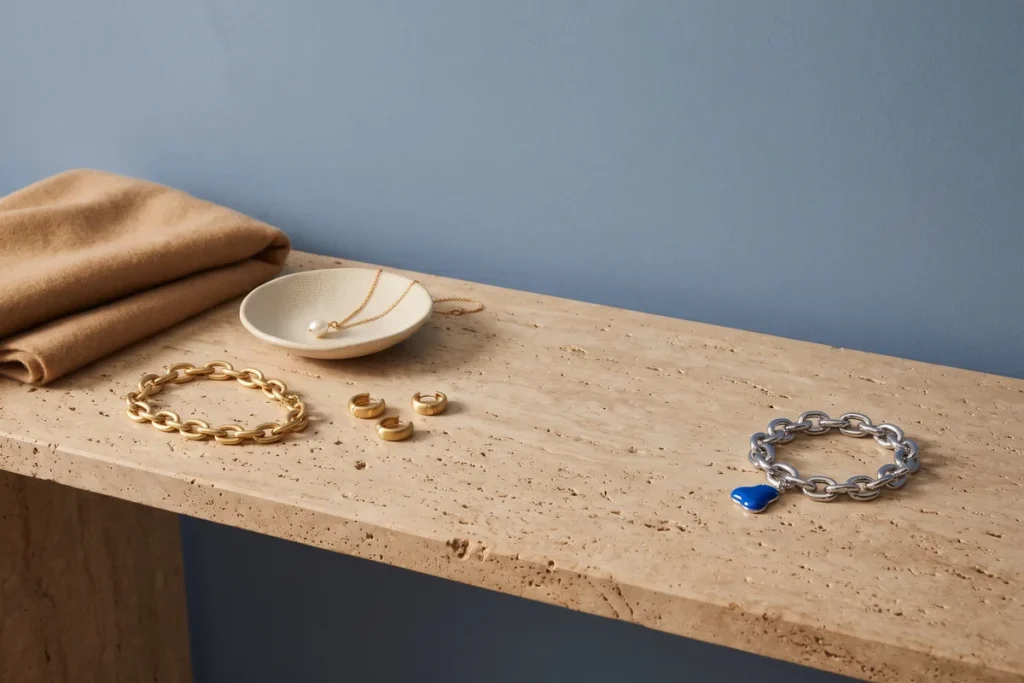
Before placing your seasonal inventory orders, you’ll need to evaluate each new product and make sure it aligns with your brand. But before you do this, you’ll need to have a clear idea of what your brand is and how that affects your product assortment.
To do this, start by making a list of your brand’s defining characteristics. Maybe your brand is sleek and minimalist, or maybe you’re more cozy and welcoming. Then, specify your brand’s preferred color scheme, fonts, and other visual identifiers. You’ll also want to define your brand’s target audience and why you’re a good fit for them.
Creating a completely unique brand identity is challenging. A 2023 study from Ipsos and Jones Knowles Ritchie found that only 15% of brand assets were truly distinctive. You’ll need to revisit your brand identity and assets as your business grows to make sure they still align with your needs.
Once you’ve clarified what your brand identity is, you can review each product through that lens before making a final purchase.
Brand-fit checklist for buyers
There are several factors that indicate whether a product has brand fit or not. Use this brand-fit checklist to make sure your entire inventory is aligned with your brand.
Customer alignment
First, consider whether the product is a natural fit for your target customer. If you stock items that don’t work for your target audience, it can make your brand feel out of touch.
Say your brand primarily targets female shoppers in their teens and early twenties. In this case, stocking men’s clothing doesn’t make sense, as your target audience won’t wear it themselves. However, trendy, budget-friendly women’s clothing items are much more likely to be a good fit.
Category alignment
Next, consider category alignment, or how well each product fits into the categories your store already stocks.
For example, if your brand primarily focuses on home decor, but you want to start stocking craft items, you’ll need to choose items that complement your existing stock. You could stock kits for shoppers to DIY their own candles or pillowcases, as these are also home decor items.
Material and quality alignment
Before committing to a new item for your inventory, always review the materials and construction to make sure they’re up to your standards. This is particularly important for mid- to high-end retailers, as customers in these markets expect every product to be high-quality.
Sustainability is another factor worth considering if it’s something your target audience prioritizes, and it extends to packaging. Shorr’s 2025 Sustainable Packaging Consumer Report found that 90% of consumers are more likely to buy from a brand or retailer with eco-friendly packaging.
Aesthetic and color alignment
Aesthetic alignment is how well materials, colors, and finishes match your brand’s visual identity, and it’s an essential consideration when building your inventory. If a product doesn’t match your store’s aesthetic, it could stick out in a way that distracts your shoppers from the experience.
First, consider whether the product matches your store’s existing color palette. If most of your products are neutral colors, a neon pink, green, or orange item may not be the right fit. You’ll also need to consider whether each item aligns with the overall aesthetic and style of your brand.
Price point alignment
Next, consider whether each item’s price point aligns with your target audience’s budget. If you primarily stock budget-conscious products, introducing items with significantly higher price points could erode shoppers’ trust in your brand. Alternatively, if you’re a luxury brand, stocking items at a lower price point could raise concerns about quality.
Either way, items that aren’t aligned with your brand’s usual price point are less likely to sell. This means they could end up sitting untouched in storage and result in significant losses.
Merchandising alignment
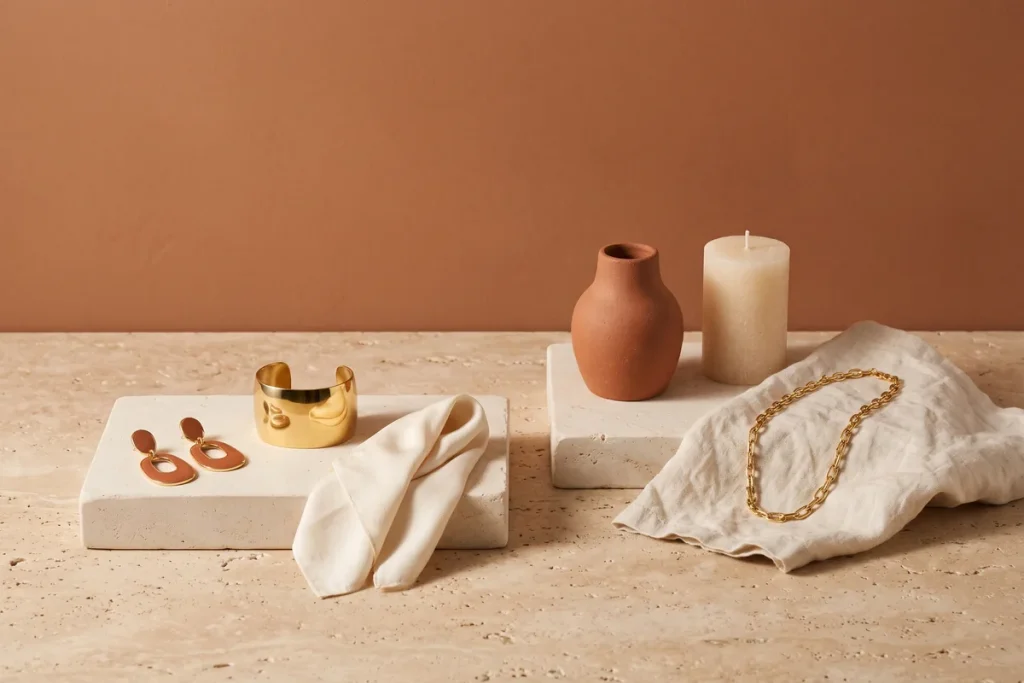
Merchandising alignment is how well a product fits into your store’s layout and displays. It’s a consideration that’s often overlooked when building a retail assortment, but it directly affects each item’s performance.
When selecting your products, identify places in your existing displays where they could fit. If you run an ecommerce store, consider where the product will fit on your site. If the product doesn’t have a natural place in your store’s merchandising strategy, it might not be the right fit for your brand.
Seasonal alignment
Finally, consider whether the product makes sense for the current season and what shoppers are looking for. For example, if you’re planning a summer assortment, it doesn’t make sense to stock winter accessories like scarves and knit hats.
You can also consider how the product aligns with current trends. A product that’s newly trending this season has the potential to sell better than one that hit its peak a few seasons ago.
How to apply the checklist during buying and merchandising
When building your assortment, review each product thoroughly to make sure it aligns with these brand-fit criteria. If you find an area where the product doesn’t align with your brand, swap it out for an alternative that’s a better fit. For example, if you notice a product’s price point doesn’t make sense for your brand, but it’s otherwise a great fit, look for a more affordable alternative.
You can also use this brand-fit checklist when replenishing your inventory. As seasons pass, trends change, and your business grows, you might find that a product that used to be a good fit for your brand is no longer selling well. This is an opportunity to evaluate alternative products that can generate better returns.
How Everful’s factory-direct consistency supports brand fit
Everful offers over 20 million wholesale products with new arrivals daily, with high-quality options for a wide range of retail brands. With Everful’s factory-direct sourcing, you’re buying directly from manufacturers for reliable sourcing and replenishment.
Everful partners with vetted factories and uses Smart Factory Sourcing to find the right factory for your needs. Every order is hand-inspected for quality and consistency, so you can confidently build an assortment that’s cohesive and intentional.
Common questions about brand fit
How can retailers tell if a product fits their brand?
To tell if a product fits their brand, retailers should evaluate the product’s design and quality to see if it matches their brand’s visual identity. They should also consider the product’s price point and use case to see if it’s something their target audience will buy. Finally, they should consider whether the product is appropriate for the current season and trends.
How often should retailers update their brand-fit criteria?
Retailers should review their sourcing strategy and brand-fit guidelines at least once a year. This ensures that your retail buying criteria still align with your target audience and business goals.
How does brand fit reduce inventory risk?
When products are a good fit for your brand identity and target audience, they’re more likely to sell quickly. This means you’ll have fewer unsold items taking up space in your inventory as the seasons change. It also means you won’t have to discount these items heavily to sell them.