

Q1 2027 inventory planning guide
January shoppers don’t buy like December ones. This guide covers how to read post-holiday sell-through, which categories hold up in Q1, and how to plan low-risk inventory you can restock as demand shows itself.
- Demand shifts after the holidays as shoppers tighten budgets and focus on essentials, so your Q4 top sellers may not carry into January.
- Plan for January returns. The NRF’s 2025 Retail Returns Landscape found 17% of holiday sales were expected to be returned.
- Let sell-through guide your buying: reorder new products that sell above average early, and treat holiday stock that keeps selling as a potential staple.
- Put most of your Q1 budget into proven year-round staples, and test trending pieces in small quantities.
- Treat January as a transition month and schedule several smaller replenishment orders instead of one large order for the quarter.
- For more on getting the mix right, see how retailers balance trend-driven vs. evergreen products.
There’s not much time left in 2026, which means it’s time to start thinking about your retail brand’s inventory for the first quarter of 2027. Planning your inventory now will help you start the new year off on the right foot.
As the seasons shift, so do consumer priorities. Your top sellers during Q4 might not have the same appeal in January when the holiday excitement wears off. As you’re conducting your Q1 inventory planning, you’ll need to consider what your target audience needs most during the rest of the winter and early spring.
Q1 inventory planning helps retailers manage post-holiday sell-through, reduce risk, and build assortments that support early-year demand. Here’s what to consider when putting together your inventory assortment for early 2027.
Why Q1 requires a different inventory strategy
Retail demand tends to peak in Q4 as shoppers are purchasing holiday gifts and taking advantage of year-end promotions. In Q1, the seasonal hype dies down, so you’ll need to adjust your strategy to keep shoppers engaged.
After the holidays, many shoppers tighten their budgets and focus only on essential items. NerdWallet’s 2026 Holiday Spending Report found that this year’s holiday spenders expect to spend $2,525 on average across the entire season, including gifts, travel, decorations, and hosting. With so much to spend on during the holidays, it makes sense for shoppers to spend less in the new year.
Due to these shifting priorities, retailers need to adjust their strategy to focus more on evergreen products that shoppers always need, regardless of the season. It’s also a good time to start introducing spring trends in small quantities to gauge consumer interest.
Retailers should also be prepared for return rates to spike during January and adjust their inventory accordingly. The National Retail Federation’s 2025 Retail Returns Landscape found that 17% of holiday sales were expected to be returned.

How to evaluate post-holiday sell-through
Sell-through is a metric that measures the percentage of inventory sold in a given period of time. Tracking sell-through rates helps you understand what customer demand currently looks like, so you can make informed inventory and replenishment decisions.
If your sell-through rates are significantly lower during Q1 than they were during the holidays, it’s likely that you over-ordered for the new year. Demand often slows during Q1, so you’ll need to adjust by ordering smaller quantities to prevent overstock.
Keep an eye on trending new products with a higher-than-average sell-through rate so you can reorder them early. This helps prevent stockouts and allows you to take advantage of high demand.
Additionally, watch for any leftover holiday stock that retains a consistent sell-through rate during Q1. That’s an indication that these products could be evergreen staples for your brand instead of holiday exclusives.
| What you see | What it means | What to do |
|---|---|---|
| Sell-through well below holiday levels | You likely over-ordered for the new year | Order smaller quantities |
| A new trending product selling above average | Demand is real | Reorder early to avoid a stockout |
| Leftover holiday stock selling steadily | It could be an evergreen staple | Keep it in your core range |
| Low sell-through | Shoppers aren’t responding | Don’t reorder, and consider a markdown |
How to identify categories that perform well in Q1
To identify categories that will perform well in Q1, look at the items that consistently performed well for you across the entire last year. Because these items have consistent demand, they’re likely to continue selling even when holiday hype dies down.
It’s also helpful to consider which items are most practical for the current weather. Late winter and early spring weather can be inconsistent in many parts of the world, shifting back and forth between cold, wet days and warm ones. As a result, many Q1 shoppers look for versatile clothing items and accessories that can work for many different types of weather.
Shoppers might also be looking for chic, fun items to brighten up their homes or spring wardrobes during the dreary weather. Sprinkle in a few unique trending items across your Q1 assortment to meet this demand.
Everyday essentials for Q1
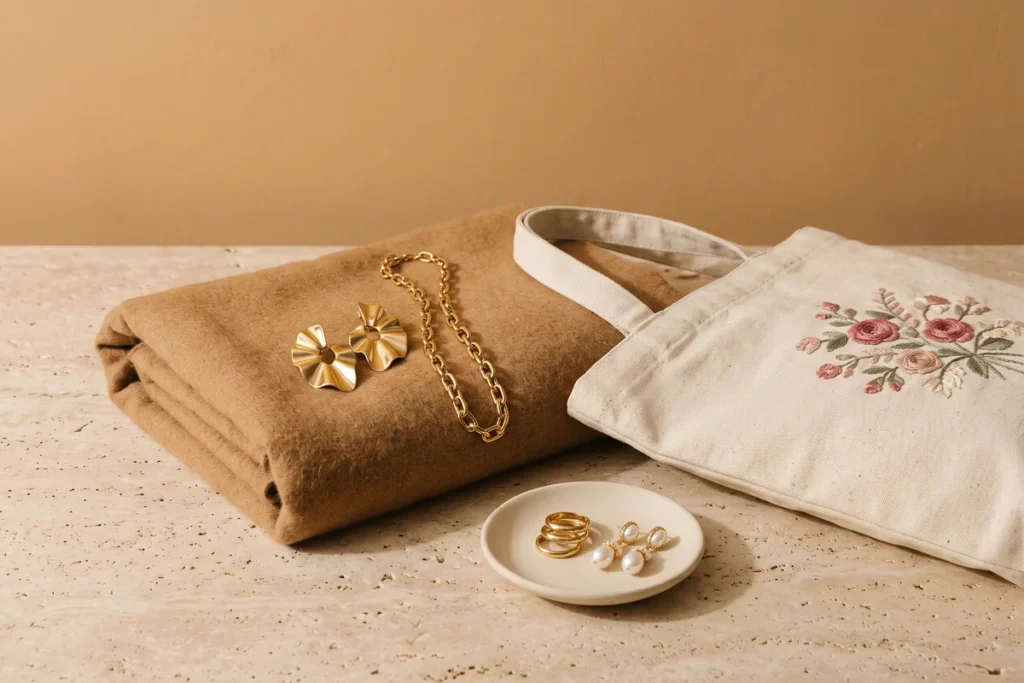
For Q1, the safest inventory bet is to focus on essentials that shoppers always need, plus seasonal staples for late winter and early spring. These could include:
- Timeless jewelry pieces
- Neutral winter clothing and accessories
- Cozy home items like candles and blankets
- Useful kitchen, bathroom, and outdoor items
How to plan low-risk inventory for early-year demand
When selecting items for your Q1 assortment, focus most of your budget on proven staple items and categories that have performed well in the past, regardless of seasonal fluctuations. Since these items are a consistent and reliable source of revenue, they can help you maintain your profit margins even if demand drops.
Then, you can supplement these items with small quantities of trending new items like dramatic statement jewelry or embroidered accessories. These new items keep your assortment feeling fresh and exciting. Ordering them in small quantities gives you a chance to see how your shoppers respond before making a bigger commitment.
How to avoid overbuying in January
One of the biggest mistakes retailers make when planning for Q1 is overbuying. While it’s easy to reorder the same product quantities you used for the holidays, it’s likely that demand will drop in the new year.
If you overbuy, you’ll be stuck with inventory you can’t sell. This leads to frustrating markdowns and financial losses that could affect your budget for the rest of the year. You could also end up with unsold products taking up space in your inventory, which limits your ability to buy new products.
To avoid overbuying for Q1, treat January as a transition period instead of jumping straight into the spring season. Order new items in small quantities and keep a close eye on how they sell. You can always order more if an item exceeds expectations, but it’s difficult to profit off excess inventory that customers didn’t respond to. Then, fill out the rest of your inventory with proven evergreen items that you know your audience loves.
How to use replenishment to stay flexible in Q1
The key to thriving in Q1 is flexibility. Even with careful planning, it’s difficult to predict exactly what the new year will bring, so you’ll need to be able to adapt quickly. That’s where a strong retail replenishment strategy comes in. Replenishment is the process of restocking items throughout the season.
Instead of making one large order for the entire quarter, start with small orders and schedule several replenishment dates throughout the season. This allows you to restock quickly if an item exceeds expectations, or pivot if your initial strategy doesn’t work out.
To do this, you’ll need to make sure you’re working with a wholesale provider like Everful that has no minimums on any order. With no minimums, you can choose the exact product quantity you need, whether that’s one item, 1,000 items, or something else. This gives you total control over your inventory strategy.
You’ll also need to consider how shipping timelines will affect your Q1 orders. Shipping is usually faster in Q1 than it was during the holidays because demand isn’t as high. However, shipping times still depend on where each order is coming from, weather along the route, and any international shipping restrictions. Finding a reliable shipping partner with accurate estimates and tracking can help you restock your products on time.
How Everful’s fast, small-volume replenishment supports Q1 planning
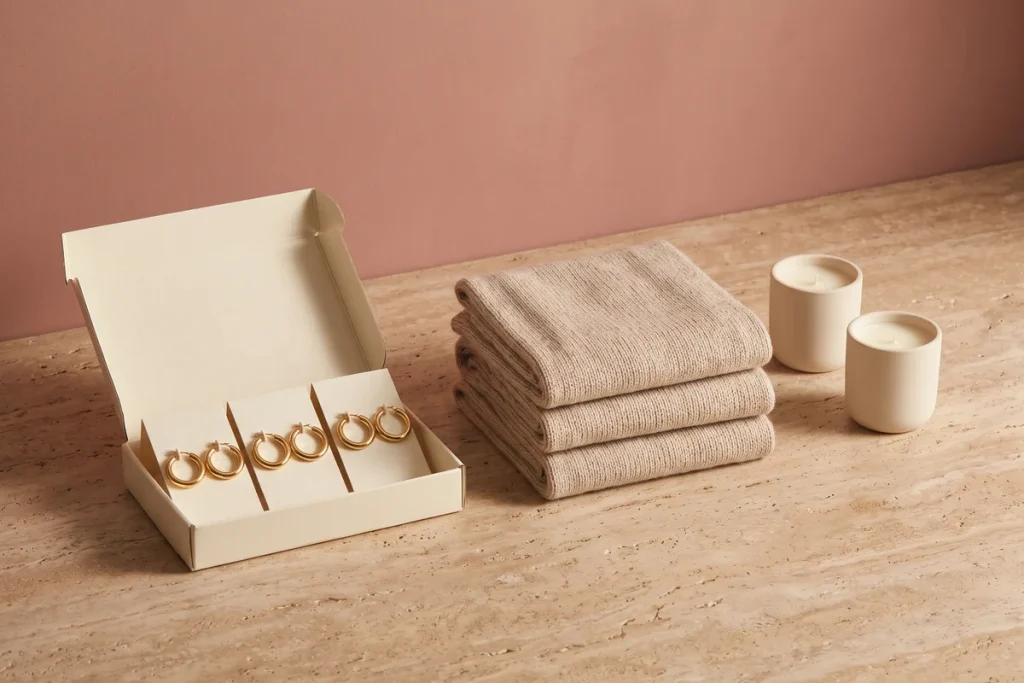
Everful helps you build your Q1 assortment with over 20 million products across a variety of categories. Everful has no minimums on any order, so you can order the exact quantity you need for both initial orders and replenishment.
Everful also uses Smart Factory Sourcing to pair you with the right factory for your order, and optimizes your shipping options to minimize delays. This helps you get your Q1 replenishment orders on time to prevent stockouts.
Common questions about Q1 inventory planning
What categories perform best in Q1?
Everyday essentials with consistent year-round demand tend to perform best in Q1. These include timeless clothing, jewelry, and accessories as well as useful year-round home decor items.
How can retailers reduce inventory risk in January?
Retailers can reduce their inventory risk in January by ordering new items in small quantities to see how shoppers will respond, then placing larger restock orders if there’s enough demand. They can also reduce risk by focusing on year-round staples with consistent demand instead of riskier trend pieces.
How does sell-through guide Q1 buying decisions?
Sell-through rates are a helpful metric for retailers because they provide a real-time snapshot of Q1 demand. Products with high sell-through rates should be replenished quickly, while products with low sell-through rates should not be reordered and may need to be discounted.