How to start an online boutique business
A curated online boutique can launch on a modest budget if you choose your niche carefully and source without committing to volume. Here is what it costs, where to find inventory, and how to price it for profit.
Key takeaways
- In 2026, most online boutiques can launch for $500 to $2,500, depending on niche, platform and inventory strategy.
- Pick a niche you already follow closely, so you can spot quality and keep up with what is trending.
- Look for a supplier that names its factories, inspects what ships, and refreshes its selection often.
- Ordering with no minimums lets you test small quantities before committing to volume, so opening inventory stays affordable.
- Price from landed cost, not unit cost, and leave room for operating expenses before you set a retail price.
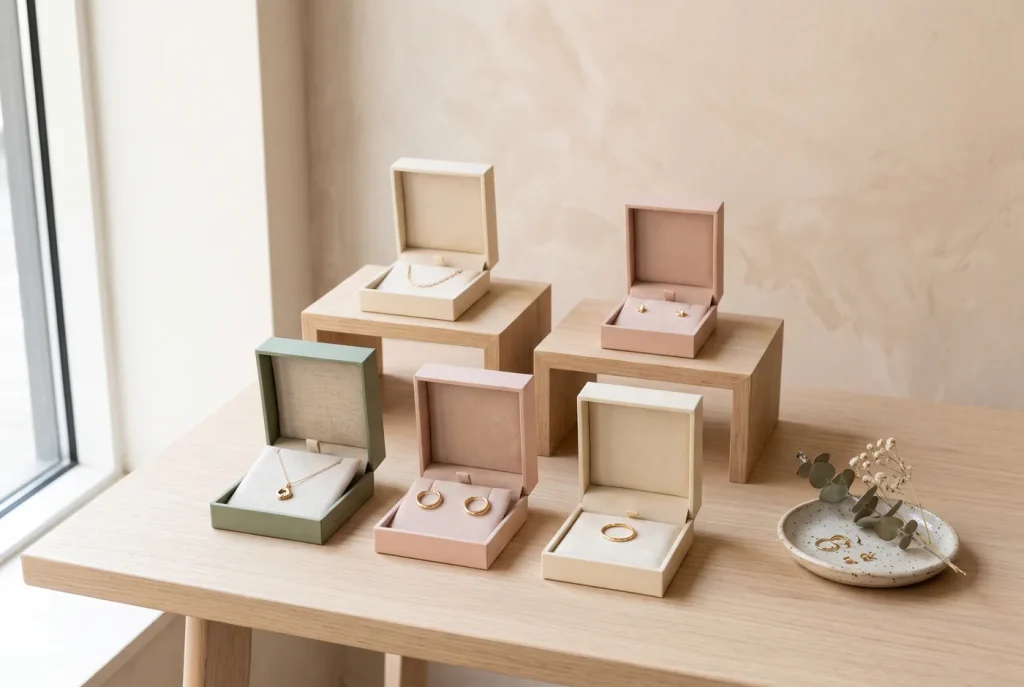
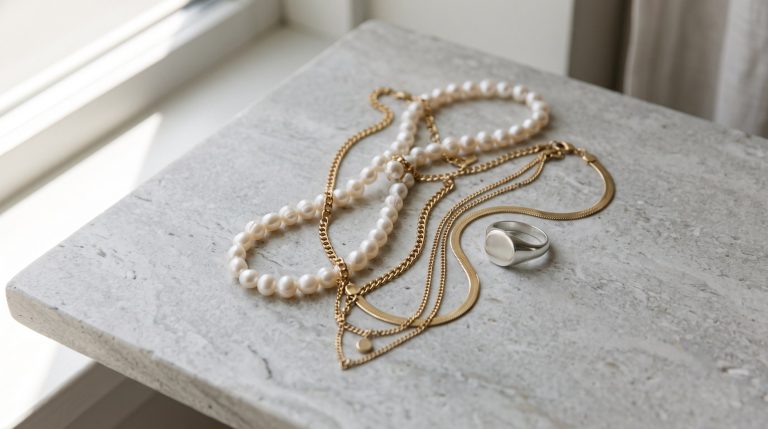
An online boutique is a small ecommerce store that sells a carefully curated mix of products, such as jewelry, home decor, or stationery (just to name a few options). These stores often focus on a specific niche or target customer, rather than trying to appeal to a general audience.
Starting an online boutique is more accessible than you might think, and the demand is there. According to research from Capital One Shopping, Americans spent $1.43 trillion online in 2025.
To build a thriving online boutique, you’ll need to find reliable suppliers, price your products strategically, and market your business so your target audience can find it. In this article, we’ll show you how to start a boutique online step-by-step.
What it costs to start an online boutique
In 2026, most online boutiques can launch for $500 to $2,500, depending on niche, platform, and inventory strategy.
Here’s a breakdown of common boutique startup costs.
Exact costs can vary significantly depending on your business model and the type of products you’re selling. For example, if you’re dropshipping, you won’t have any opening inventory costs, but if you’re stocking luxury products, your inventory costs may be higher than what’s listed here. Ordering with no minimums also brings that opening inventory line down, because you can start with a small assortment and restock the pieces that sell.
You can also use the tools and skills you already have to keep startup costs in check. If you have a quality camera, you can take product photos yourself instead of hiring a professional.
Choosing your niche
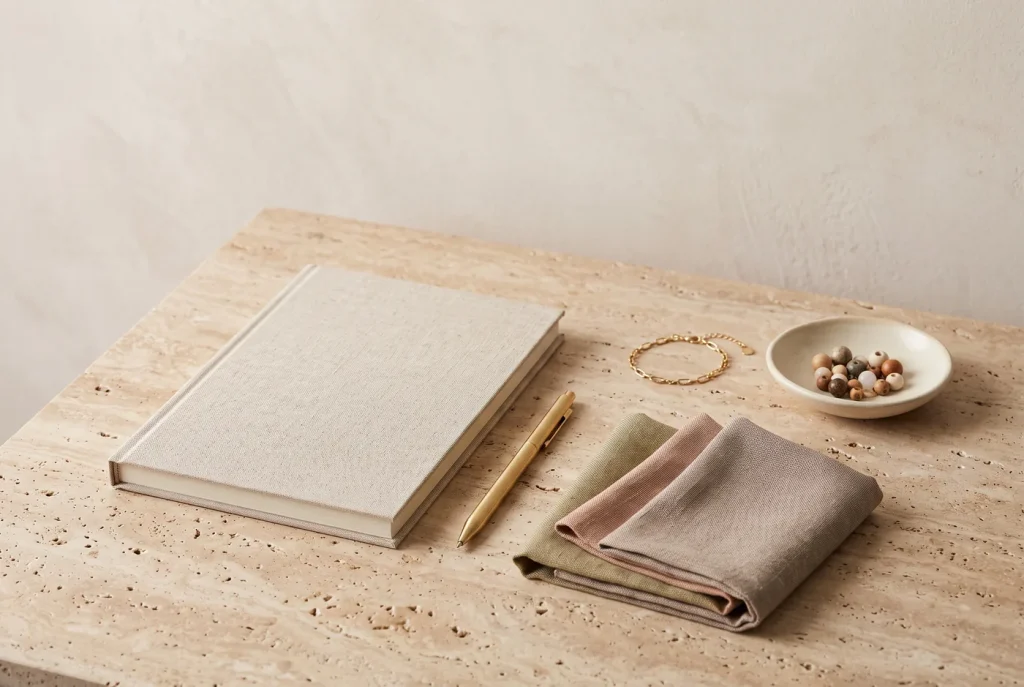
Online boutiques tend to be most successful when they focus on a specific niche and build a loyal audience. Popular niches for online boutiques include clothing, jewelry, accessories, home decor, and curated gifts.
To choose your niche, start by considering which products you enjoy buying and using in your free time. For example, if jewelry-making is one of your hobbies, it makes sense to stock jewelry and crafting kits that align with your interests. When you focus on a niche you’re already familiar with, it’s easy to keep up with trends and spot quality products for your inventory.
Another way to narrow down your niche is to focus on products that are currently trending and have the potential for high profit margins. Social media platforms and trend tracking tools can help you identify exciting new products to focus on.
How to find a reliable wholesale supplier
Next, you’ll need to find a wholesale supplier to help you build out your assortment. Your assortment is the range of products you choose to stock in your online store.
Start by looking for a supplier with a wide range of quality items that align with your niche. Ideally, your supplier should update their selection frequently to help you keep your inventory fresh. For example, if you’re building a jewelry boutique, look for a supplier that offers a mix of sterling silver jewelry, gold-plated jewelry, and costume jewelry in trending designs.
Transparency and quality control are also top qualities to look for in a wholesale supplier. Ideally, your supplier should share which factories your products are coming from, so you can accurately plan your shipping timelines. Reliable quality control prevents losses by removing broken or defective items before they get to you.
Why no minimums matter for a first order

When you’re first launching your online boutique, it’s hard to know which products your shoppers will gravitate to. That’s why you need a wholesale supplier with no minimum order requirement, like Everful.
No minimums means you can order the exact amount of a product you need, with no order floor. You can order one item, a thousand items, or whatever quantity you need to meet demand.
With no minimums, you can test small quantities of a product to see how customers respond before committing to a larger order. This helps you limit the amount of overstock that you keep on hand.
Overstock can be very costly, so it’s worth starting with small order quantities to avoid it. IHL Group estimates that inventory distortion, which includes both overstocking and out-of-stock products, costs retailers $1.7 trillion globally in 2026.
Where to source your inventory
Factory-direct sourcing platforms are the most straightforward way to source inventory for your boutique. They give you a direct line to vetted factories around the world, so you can access a wide range of niche products. For example, you can use Everful to source jewelry, clothing, home decor, giftable items, and more.
You can also supplement your inventory with items from in-person trade shows or local manufacturers. You can use these strategies to find unique products that aren’t available online. However, this strategy requires more effort than sourcing online, and order quantities may be limited.
How to set up your online store
After sourcing your inventory, the next step is to set up your online store using an ecommerce platform. There are many platforms with hosting, drag-and-drop design templates, and payment processing built-in, so you don’t need technical expertise to get your store up and running.
First, you’ll need to select and purchase a domain name for your website. Opt for a clean, professional domain name that shoppers will remember. Avoid domains with random letters and numbers, as they can look cluttered.
Then, customize your website by adding your brand’s colors, logo, and imagery. Set up product listings with well-lit photos, clear descriptions, and pricing.
If you want to invest a little more in your brand, you can partner with a professional web designer and product photographer to help you build your listings. However, this isn’t mandatory when you’re just starting out.
How to price your products for profit
To ensure your business is financially sustainable, the sale price of each product should be much higher than the wholesale price.
When setting your prices, you’ll need to consider the total landed cost of a product. The landed cost is the total cost once shipping, duties, and fees are included. Then, you’ll need to leave room to cover your operating expenses and maintain profit margins.
A simple but effective boutique pricing strategy is keystone pricing. Keystone pricing is when you double the wholesale cost of a product to set the retail price.
Once your boutique launches, you can adjust your pricing based on shopper behavior. You can increase prices for products in high demand, or lower prices for products that are slow to sell.
How to market your boutique
The final step to launching your online store is marketing your business. A strong marketing strategy helps your target audience find you and positions you as a market leader.
Popular marketing strategies for new boutiques include:
- Social media: Post on platforms like Instagram, TikTok, and Pinterest to show off your products. Use a mix of organic and paid content to generate engagement.
- Influencer partnerships: Support your social media strategy by partnering with influencers in your niche. You can do this by sending influencers free products or even paying them in exchange for an honest review. In 2021, research from eMarketer found that 62% of consumers said they were more likely to buy a product if they could see photos and videos from real customers first. This marketing strategy helps meet that need.
- Email newsletters: Email is a great way to keep your existing customers in the loop about new products and sales.
- Website content: Create blogs and landing pages showcasing your products. Optimize them for both traditional and AI search by adding high-traffic keywords throughout.
Common questions about starting an online boutique
How much does it cost to start an online boutique?
In 2026, it costs roughly $500 to $2,500 to start an online boutique. Exact costs vary depending on the specific products and business model you use.
How do I start an online boutique with no money?
Start with what you already own: take your own product photos, use a free or entry-level website plan, and package orders yourself. Then keep your first inventory order small by sourcing with no minimums, so you are only paying for the pieces you are ready to sell.
What is the best niche for a new boutique?
Top niches for new online boutiques include high-quality jewelry, giftable lifestyle items, and cozy home decor.
How do I start an online jewelry boutique?
To start a jewelry boutique, source quality jewelry from a reliable wholesale supplier. Then, build a website using an ecommerce platform, and promote your business online through social media, email, and content marketing.