Private label jewelry: What it is and how to source it
A branded jewelry line used to mean designing from scratch. Private label puts your name on quality pieces from vetted factories instead, so you can launch something that is yours without building a studio to do it.
Key takeaways
- Private label jewelry is made by a vetted factory and sold under your name: you pick from the catalog, then add your logo, engraving, and packaging.
- It sits between white label, which is catalog product sold as-is with no branding, and custom manufacturing, which is designed from scratch and costs more time and money.
- The demand is real: U.S. private label sales rose 3.3% in 2025 to a record $282.8 billion, per the Private Label Manufacturers Association.
- Source it in six steps: evaluate manufacturers, request quotes, choose the product and branding, order samples, place a volume order, then market it.
- Judge quotes on landed cost and long-term value, not the lowest unit price. Shoppers spent over 20% more per item on finished jewelry in January 2026 than a year earlier, per Tenoris.
- Look for a supplier with catalog range, no minimums, reliable shipping and tracking, built-in quality checks, and transparent pricing.
Starting your own branded jewelry line takes your retail business to the next level. But for many retailers, creating an entire line from scratch isn’t an option, while stocking generic products makes it hard to stand out from the competition.
Private label jewelry is a solution that bridges this gap, with quality products from trusted manufacturers, sold under your own brand name. Let’s explore how private label jewelry works, how to source it, and what to look for in a manufacturer.
What is private label jewelry?
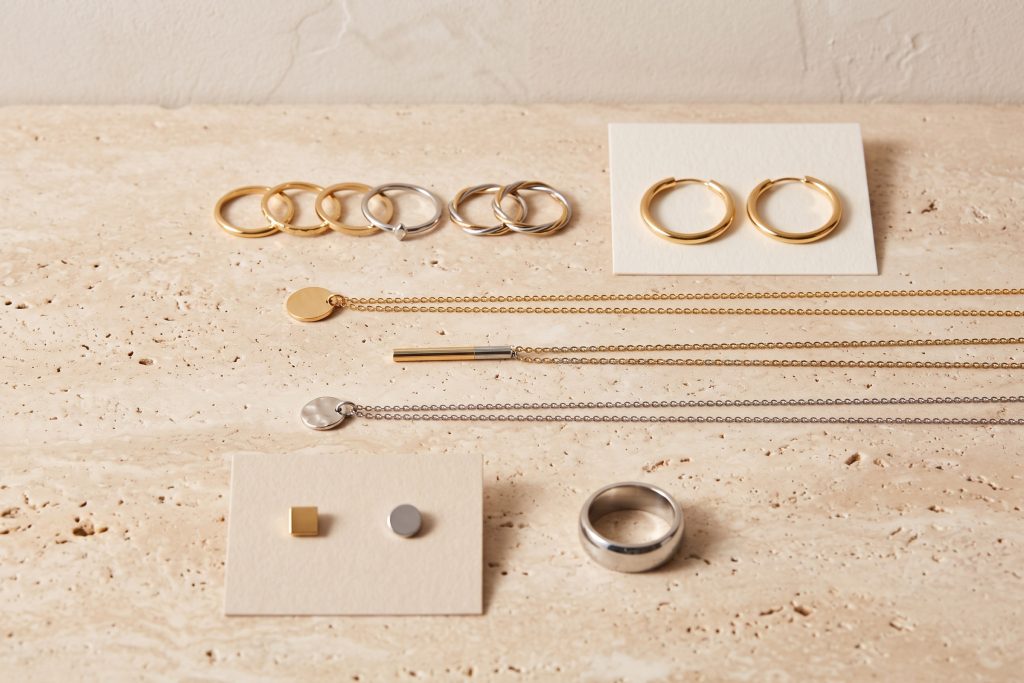
Private label jewelry pieces are manufactured by a vetted factory, but branded and packaged under your own name.
Private label suppliers help boutique and independent retail brands launch their own jewelry lines without having to start from scratch. The manufacturer produces each piece, adds your branding, then ships it to your business.
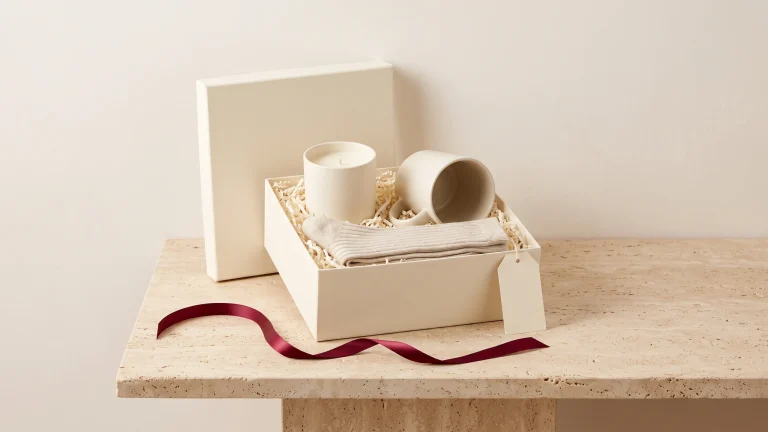
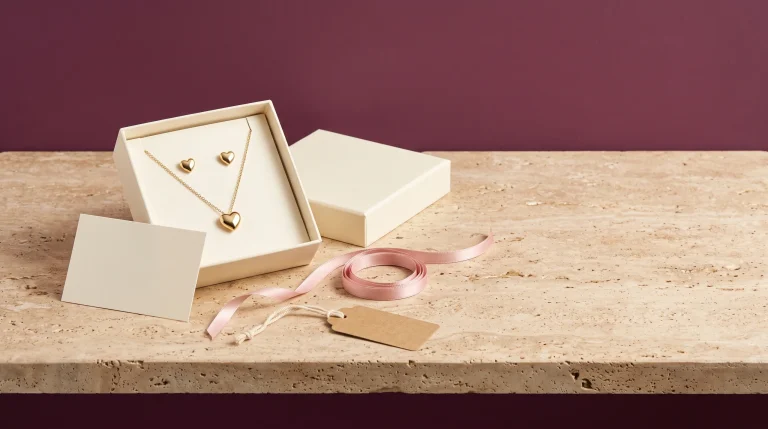
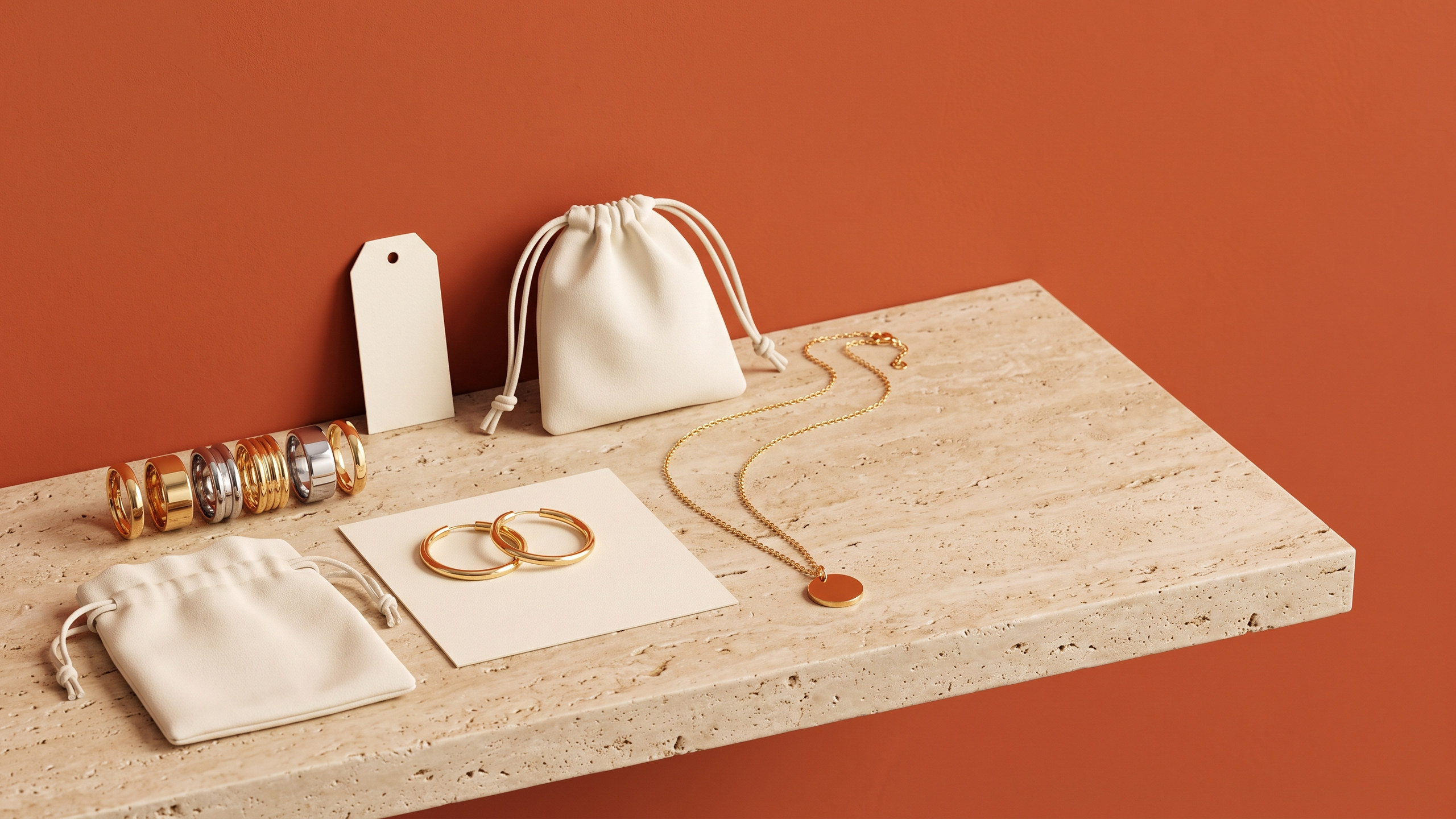
Retailers choose from a selection of pre-designed product options, then customize them with their name, logo, or other branded imagery. Private label jewelry can also come with custom packaging, including branded cards, tags, labels, and boxes.
Private label product sales have been rising in recent years across several retail categories. According to the Private Label Manufacturers Association, sales of private label products increased by 3.3% in 2025 compared with 2024.
Private label jewelry vs. white label jewelry vs. custom designs
Products from third-party manufacturers with custom brand elements
- Your branding
- Engraving, packaging, cards, or boxes with your name or logo
- Investment
- Lower upfront cost, faster to market
Products from third-party manufacturers with no customization
- Your branding
- None. Sold as-is, and other brands can sell the same piece
- Investment
- Lowest upfront cost, no exclusivity
Products designed and manufactured from scratch to your specifications
- Your branding
- The design itself is yours, made to your spec
- Investment
- Most time and the largest financial commitment
Private label, white label, and custom manufacturing are three different ways that retailers can start their own jewelry line.
Private label and white label jewelry are both sourced from third-party manufacturers. With white label jewelry, you choose products from the manufacturer’s existing catalog and sell them as-is, with no branding or customization. Multiple brands can sell the same white label products.
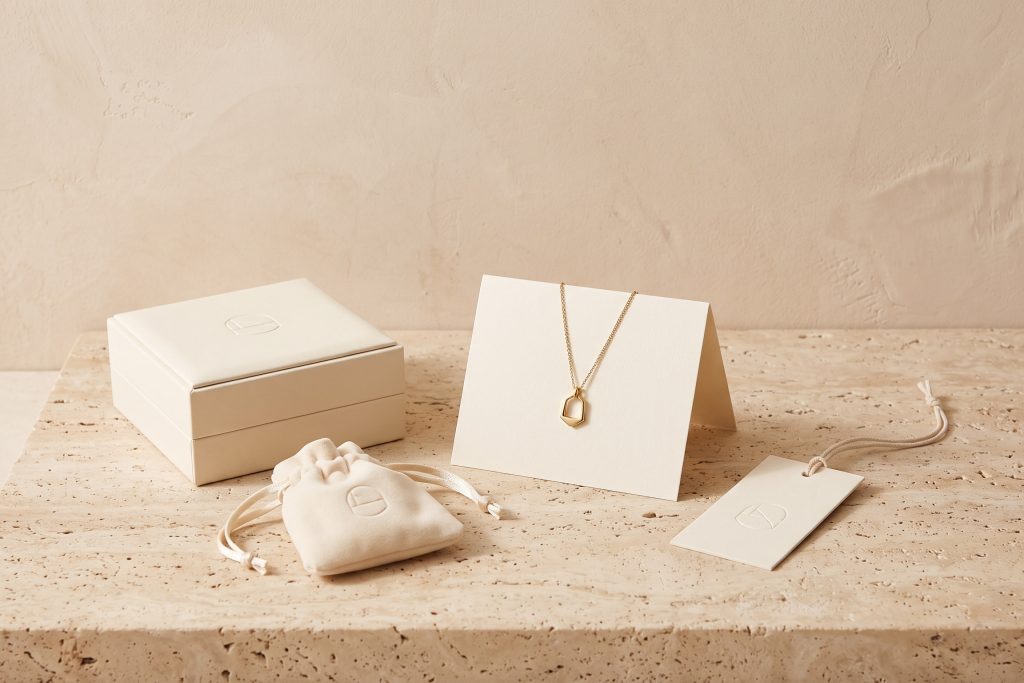
With private label jewelry, you start with a product from the manufacturer’s catalog, then add custom branding to make it yours. Custom branding includes engraving, packaging, cards, or boxes with your brand name or logo.
With custom manufacturing, you create the product design from scratch, then hire a manufacturer to make it for you. Custom manufacturing requires more time and a larger financial investment than private label or white label jewelry.
Benefits of private label jewelry
Private label jewelry offers a number of benefits for growing retail brands. These include:
- Personalization: Tailor each piece to your brand with elements like your logo, name, or custom imagery, without having to handle the entire design or physical jewelry-making yourself.
- Exclusivity: Since each piece features your branding, it’s exclusive to your business and will stand out from competitors.
- Speed: Private label jewelry generally offers faster manufacturing and delivery times than fully custom designs. Fast production makes it easier to keep up with changing consumer demand.
- Higher profit margins: Private label jewelry usually requires less upfront investment than custom manufacturing, leaving more room in your margin.
How to source private label jewelry
Sourcing private label jewelry requires some advance planning and strategic decision-making. Here’s a step-by-step breakdown of how to start a jewelry brand with private label products.
1. Evaluate private label jewelry manufacturers
Manufacturers play an essential role in your private label jewelry brand: while you provide the brand elements, they create and ship the products. Because of this, you’ll want to choose a provider you know you can trust. Compare multiple manufacturers to find a jewelry provider that can help you execute your vision.
2. Request quotes
Next, request quotes from each manufacturing partner you’re considering. With this information, you can compare costs and put together an estimated budget for your jewelry line.
When evaluating quotes, don’t just focus on who can offer the lowest price. Instead, consider the overall value of each piece and the potential return on investment.
Quality pieces can command a higher sale price and lead to higher profits, plus they’re more likely to build long-term brand loyalty. Market research from Tenoris found that jewelry customers were spending over 20% more per item on finished jewelry in January 2026 than a year earlier. This indicates that customers are willing to invest more in high-quality pieces.
You’ll also want to consider the landed cost of each item, rather than budgeting solely around the purchase price. The landed cost is the total cost of an item, including shipping, duties, and fees.
3. Choose your product
Once you’ve chosen a manufacturer, the next step is choosing which jewelry products you want to sell. Start with a few in-demand products you know will resonate with your customers, such as charm necklaces or bracelets. Then, you can expand your branded jewelry line later if the initial launch is successful.
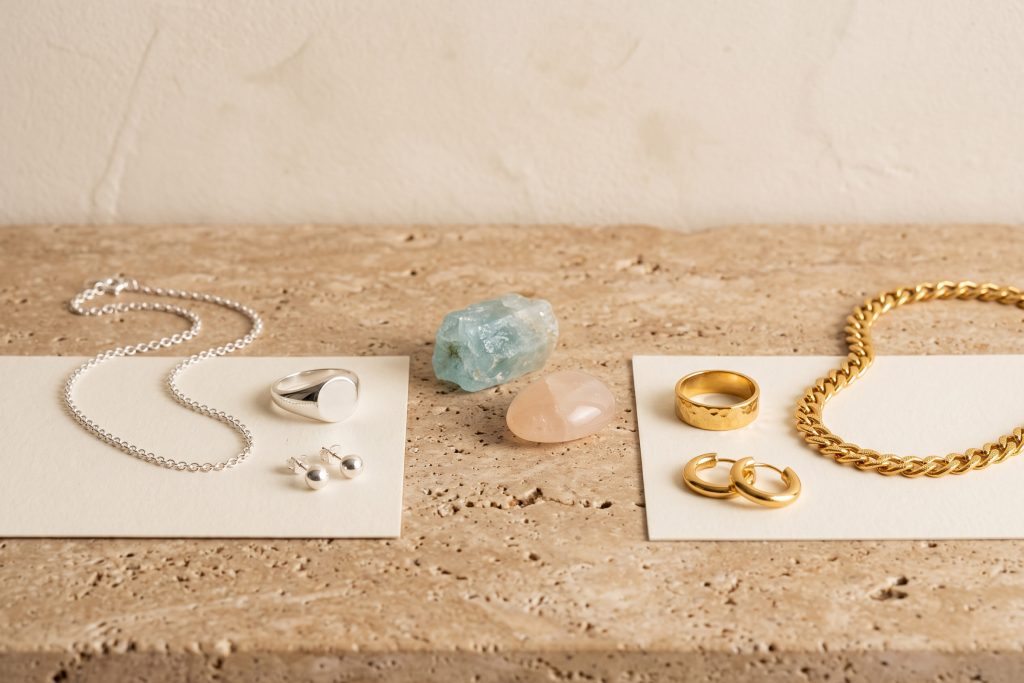
Review your manufacturer’s catalog and identify jewelry products that align with both your brand’s aesthetic and current trends. Consider your material options: durable metals and high-quality natural stones are timeless choices that customers are willing to invest in. Popular choices include 925 sterling silver and 14K gold-plated jewelry.
From there, decide how to add your brand elements to each jewelry piece. This could be a logo, a monogram, or your full brand name. Identify where and how each brand element will fit on the finished product. Avoid placing your brand elements on pieces where they’ll feel cluttered or hidden. Instead, your branding should be a core visual element of the piece.
You’ll also need to decide what type of packaging you want for each piece. Everful offers branded packaging, logo tags, and custom product cards for private label jewelry. By adding custom packaging to every product, you create a cohesive brand experience that makes a lasting impression on your customers.
4. Place your sample orders
Retailers can order samples of any private label jewelry piece before placing a larger volume order. This is your chance to see what the products will look like before committing to a full run.
After you receive the samples, review them to make sure that your brand’s name and logo are correct and that the quality meets your expectations. If there are any issues, request a revised sample before moving forward with production.
5. Place a volume order
If you’re happy with your sample, the next step is to place a volume order. To decide how much to order, look at your sales volume for any jewelry products you already stock, then use that as a baseline.
When you place the order, clarify production and shipping times with your manufacturer. By setting a timeline up front, you’ll know when to expect the order and can forecast sales volume more accurately.
6. Market and sell your new jewelry
The final step to success is marketing and selling your new private label jewelry line. Decide where to display your jewelry in-store and add eye-catching signage. If you run an ecommerce store, create dedicated product landing pages for your new jewelry.
You can also share the new products on social media to generate even more excitement. According to 2026 research from Jewel360, 90% of independent jewelers say that social media influences their customers’ requests. A strategic mix of organic and paid social media posts can position your new jewelry as an aspirational product and get customers through the door.
What to look for in a private label jewelry supplier
Plenty of suppliers offer private label jewelry, but it can be tricky to find one that truly meets your needs. Here’s what to look for when choosing a private label jewelry supplier:
- Variety of design options: Opt for a supplier with a large catalog of customizable jewelry products that align with current trends.
- No minimums: Everful has no minimums, which means you can order exactly how much you need with no floor to clear. This makes it easy to test new branded jewelry items before making a big commitment.
- Reliable shipping: Look for suppliers with efficient, timely shipping options and real-time order tracking so you know exactly when your products will arrive.
- Quality control: Poor-quality products could hurt your brand’s reputation, so look for suppliers with quality checks built into their manufacturing process. With Everful, every order is hand-inspected before it ships.
- Transparent pricing structure: Clear, straightforward pricing makes financial planning easier as you launch your new jewelry line.
Common questions about private label jewelry
What does private label jewelry mean?
Private label jewelry means you’re ordering from a trusted third-party manufacturer, but the products use custom branding and packaging. You choose pieces from the manufacturer’s existing catalog, then add your logo, name, or engraving, along with branded boxes, cards, and tags. The factory produces and brands each piece, then ships it to you ready to sell under your own name.
What’s the difference between private label and custom jewelry?
Private label jewelry applies your brand name, logo, and imagery to pre-designed products. Custom jewelry is designed from scratch to your exact specifications. Private label is faster and asks for less upfront investment, since the piece already exists and you are adding your branding to it. Custom gives you a design no one else can sell, but it takes more time and a larger financial commitment.
Can I order samples before placing a larger volume order?
Yes. Since Everful has no minimums, you can order samples to test new private label jewelry products before committing to a larger order. When the sample arrives, check that your name and logo are placed and spelled correctly and that the quality is what you expected. If anything is off, request a revised sample before you move into production.
What’s the minimum order quantity for private label jewelry?
At Everful, there is no minimum for private label jewelry. You can order a single piece or thousands to meet your customers’ needs. That means you can put your branding on one style, see how it sells, then reorder depth on what works, rather than committing your budget before a piece proves out.
Put your name on it
Factory-direct jewelry with branded packaging, logo tags, and custom product cards. No minimums, so you can order a sample before you order a line.
Sign Up for Free