How retailers build gift-ready displays in October to capture early holiday shoppers
Early holiday shoppers browse in October with time on their side. A gift-ready display shows them a finished idea for someone on their list, which gives them a reason to buy now.
- Early holiday shoppers browse in October without urgency. They buy when they see an obvious fit for someone on their list.
- Gift-ready displays tell a clear story: who the gift is for, why it fits, and how it feels.
- Start with two to three broad themes, like cozy and self-care, and use a color story or a shared material to pull each one together.
- Recipient-based displays organize products by who they’re for. Label them, and limit the choices so the decision is quick.
- Style each display around an anchor item set higher than the rest, with varying heights, props, and a wrapped example beside an open one.
- Ordering with no minimums lets you fill a gap in a theme with exactly the amount you need, then place a larger order once the item earns its place.
A shopper walks into your store in early October and browses, pauses to think, looks around some more, maybe asks you a question, but ultimately doesn’t buy anything. This is an early holiday shopper. These shoppers aren’t in a hurry to cross gifts off their list, but they will buy if they see an obvious fit for someone on their list. Otherwise, they have time to shop around.
You can turn just-browsing early shoppers into an easy yes with gift-ready holiday displays for retailers. These are merchandise displays curated and designed to make gifting decisions easy. When set up right, early shoppers can see the finished idea and a gift that looks ready to give, making them more likely to buy.
Why early holiday shoppers need gift-ready merchandising
Early shoppers shouldn’t be overlooked. According to the National Retail Federation’s 2025 holiday survey, 42% of shoppers planned to shop early, browsing and buying even before November. The driving factors: 54% want to spread out their budget, and 41% want to avoid the stress that last-minute shopping brings. In Deloitte’s 2025 Holiday Retail Survey, 58% of shoppers said that holiday shopping is stressful. Curated, gift-ready merchandising helps take the stress out of holiday shopping for them and helps them make the buying decision early without pause.
Doing that means setting the scene with themes that match who they’re shopping for. Gift-ready displays work when they tell a clear story: who the gift is for, why it fits, and how it feels. Retailers can set up gift-ready holiday displays as early as October in two main ways: theme-based and recipient-based.
How to choose gifting themes that resonate with early shoppers
October is a great month for holiday gifting themes. Select two to three broad themes for your gift-ready displays to appeal to a wide range of shoppers and the people on their gift list. Some holiday merchandising ideas for October are cozy and self-care.
Cozy and comfort gifting themes
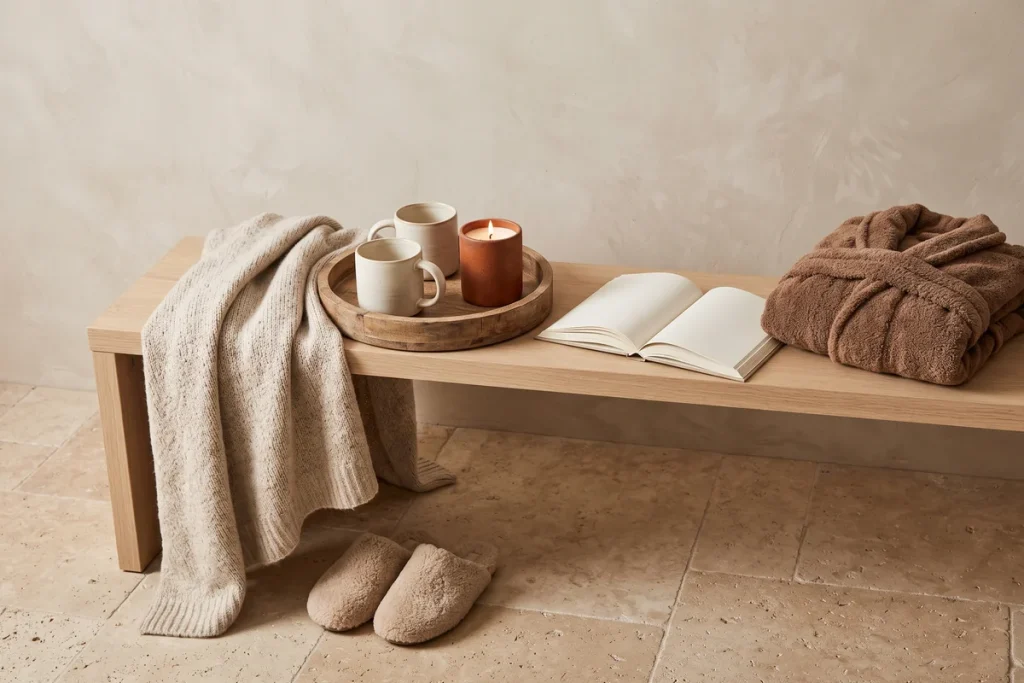
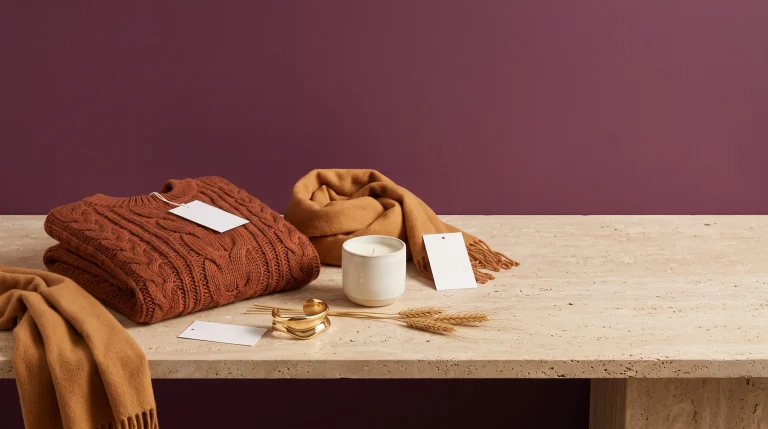
October is a prime “ber” month when the weather is cooling off, the holidays are on the horizon, and everyone wants that cozy vibe that will last well through December. Here, a home decor retailer might pull together a soft and cozy throw, a set of oversized mugs, and a candle. If you offer more than just home decor, bring other categories into the theme with a fuzzy robe and slippers.
Set the scene. Lay the throw over a bench, set the slippers under it. Use a tray on the bench with the mugs and candle. The setup shows shoppers the exact scenario and helps them picture the exact recipient to match.
Self-care gifting themes
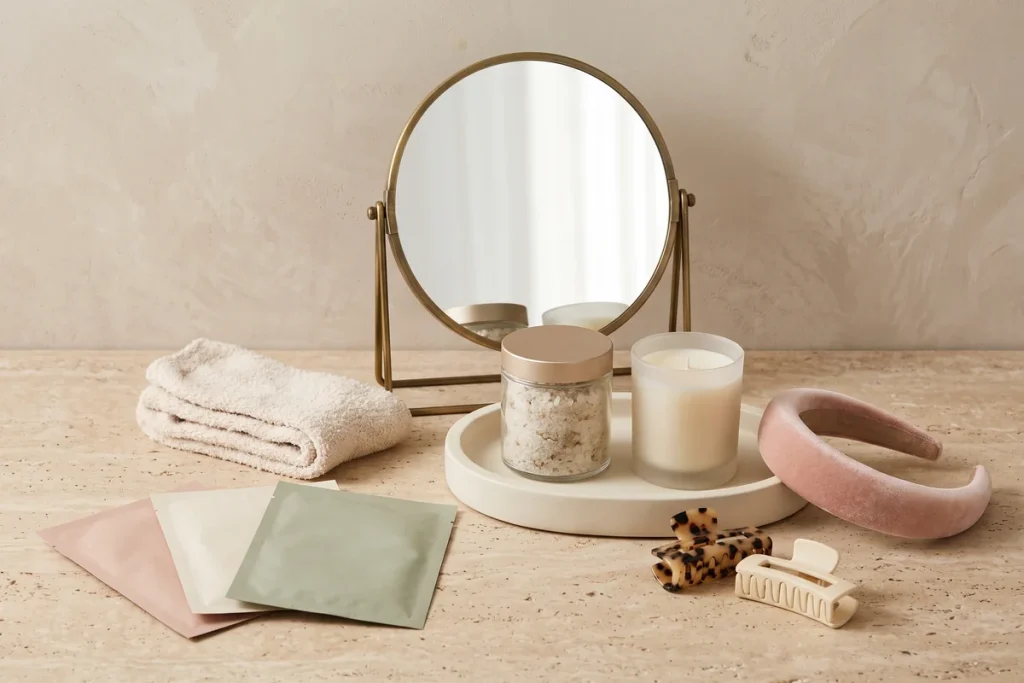
The self-care gifting theme suits a wide range of people, and you don’t need to know a lot about the person to give them a self-care gift.
Items for a self-care gift theme display include things like face, hand, and foot masks. Pair them with fuzzy socks. Accessories like claw clips and headbands work well with a vanity mirror. Add a candle and bath salts, and it screams a night of pampering.
Again, set the scene. Think a Sunday evening reset. Group items based on how they will be used. A candle with the bath salts, followed by a face mask and fuzzy socks set up on a vanity.
How to use color stories and materials to unify a theme
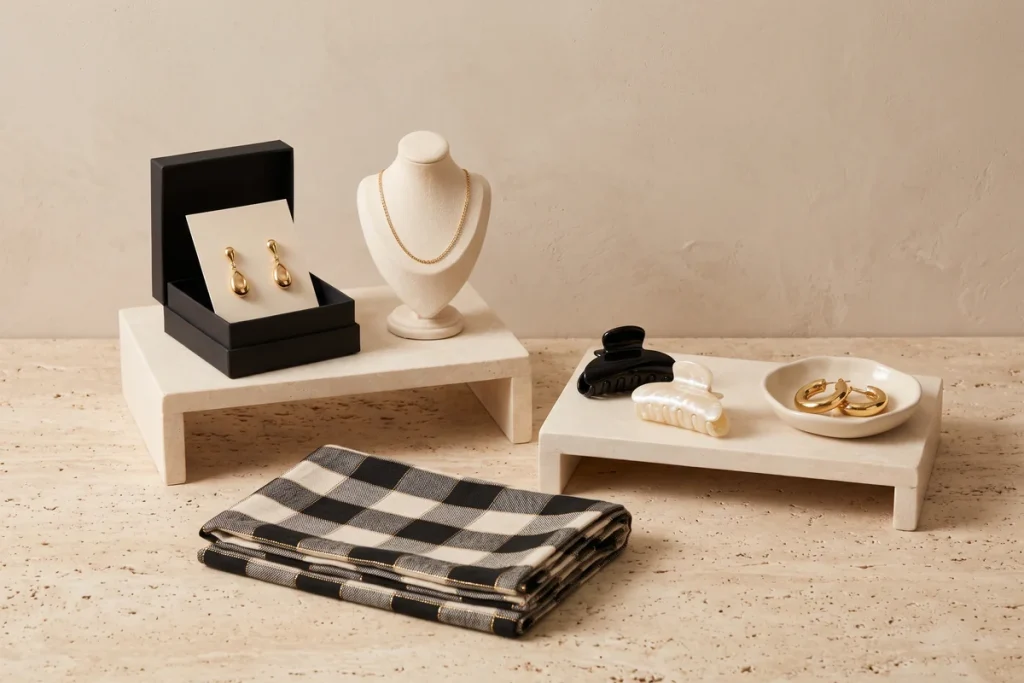
A color story is a unified palette used to visually connect products. It can connect items from different categories into a theme. For example, warm tones like oatmeal, rusty orange, and brown pull together the throw, robe, candle, and mugs from the cozy theme.
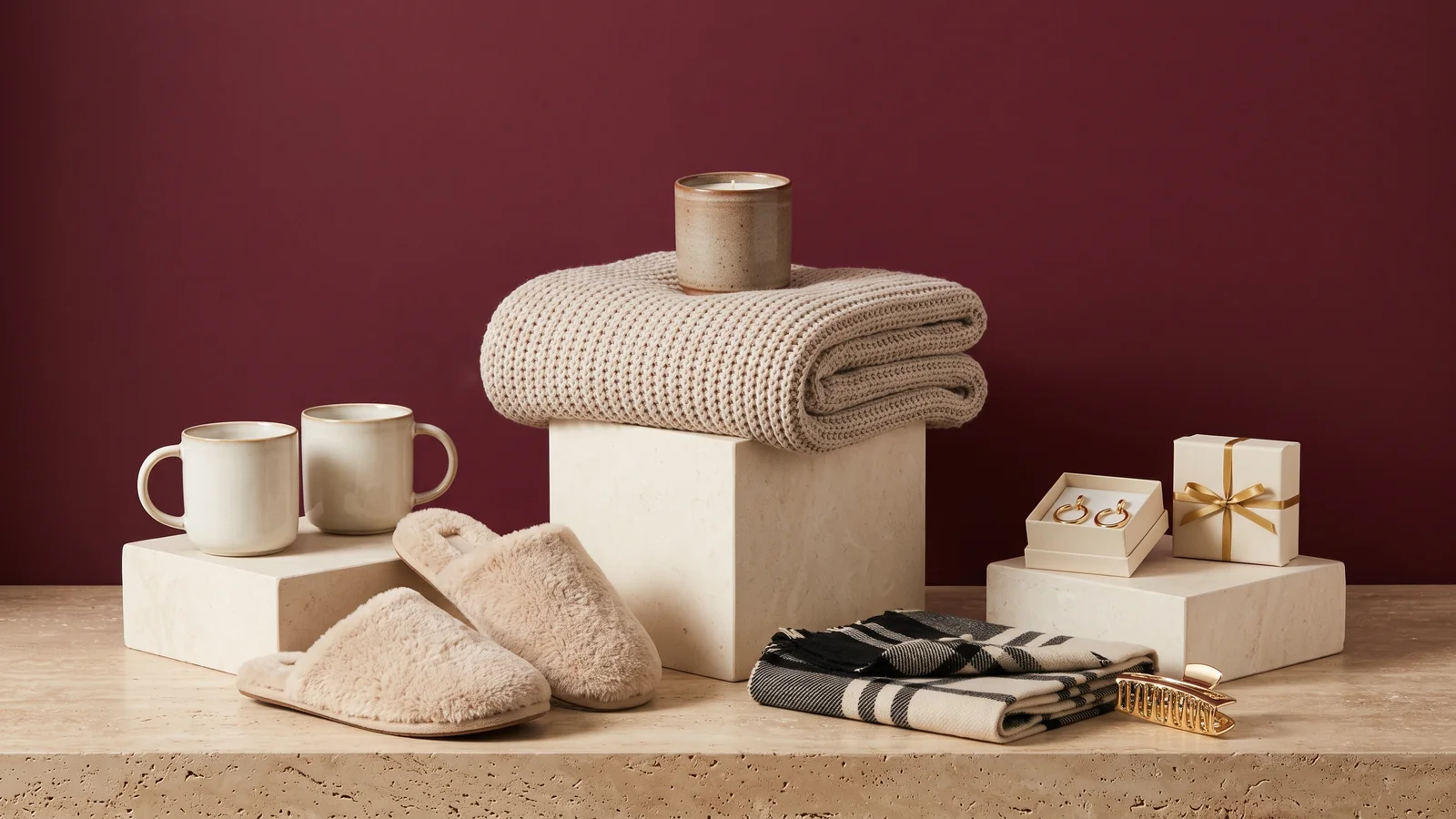
You can also use color to start setting the festive mood. While it’s too early to go all-out festive, you can start to allude to it with a minimalist palette of gold, black, and cream, with gold hinting at the season, while saving the major holiday colors for November and December. You can start with accessories like a scarf, claw clip, and earrings in the color theme.
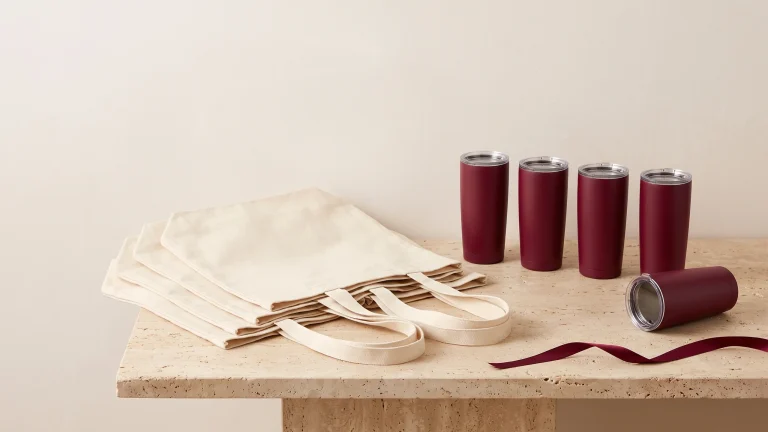
Materials work in a similar way to unify a theme. Natural wood, chunky knits, and stoneware can each pull together the cozy theme.
Recipient-based displays: how to merchandise gifts by who they’re for
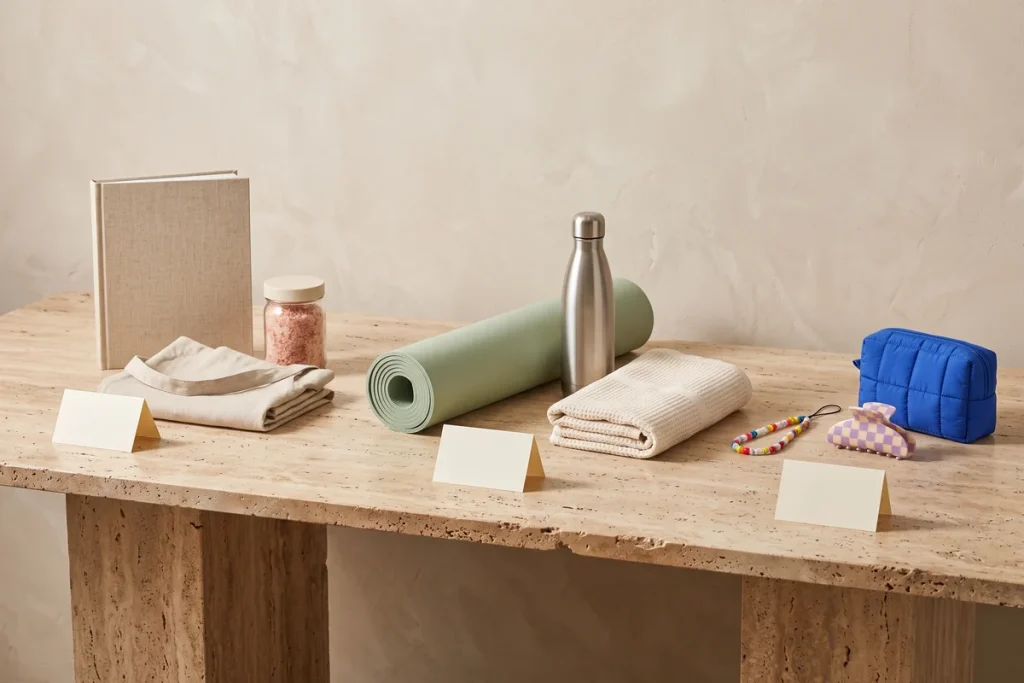
Beyond a theme, you can also set up your gift-ready holiday displays for retailers based on your ideal shopper’s list. Holiday recipient-based merchandising organizes products by who they’re intended for. Your early shoppers already know who they need to buy for.
Think in terms of basic demographics with displays for him, for her, for teens. But also think in terms of hobbies and lifestyle, like for the home chef or for the fitness fanatic. And label the displays. There should be no guessing about who it’s for. Then pull together items from all over your store. The home chef display might include a cookbook, an apron, and Himalayan pink salt. Give variety, but not too much. Make sure the choices are limited per persona so the buying decision can be quick.
Teacher, coworker, and “small-gift” recipient displays
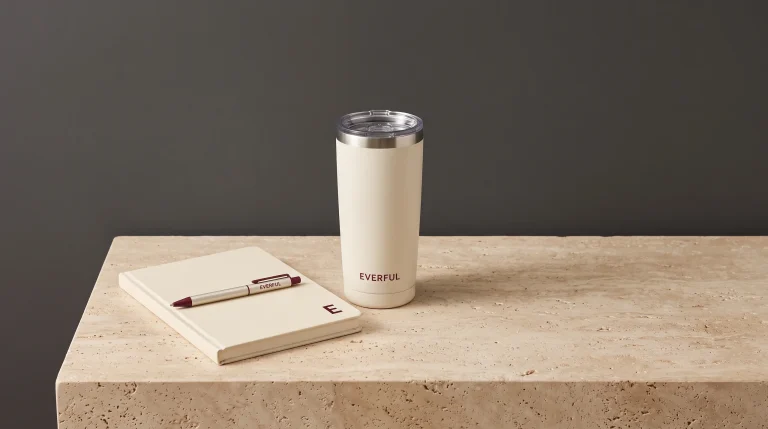
Small-format gifts are compact items that are ideal for gifting. These will appeal to your early shoppers by helping them quickly check off whole groups of people like teachers and coworkers. Think things like mini candles, sleep masks, small bound notebooks, fancy pens, lip balms, and mini hand creams. Set up this display where shoppers can easily browse and buy multiple items, such as end caps and checkout.
Host and hostess gifting display
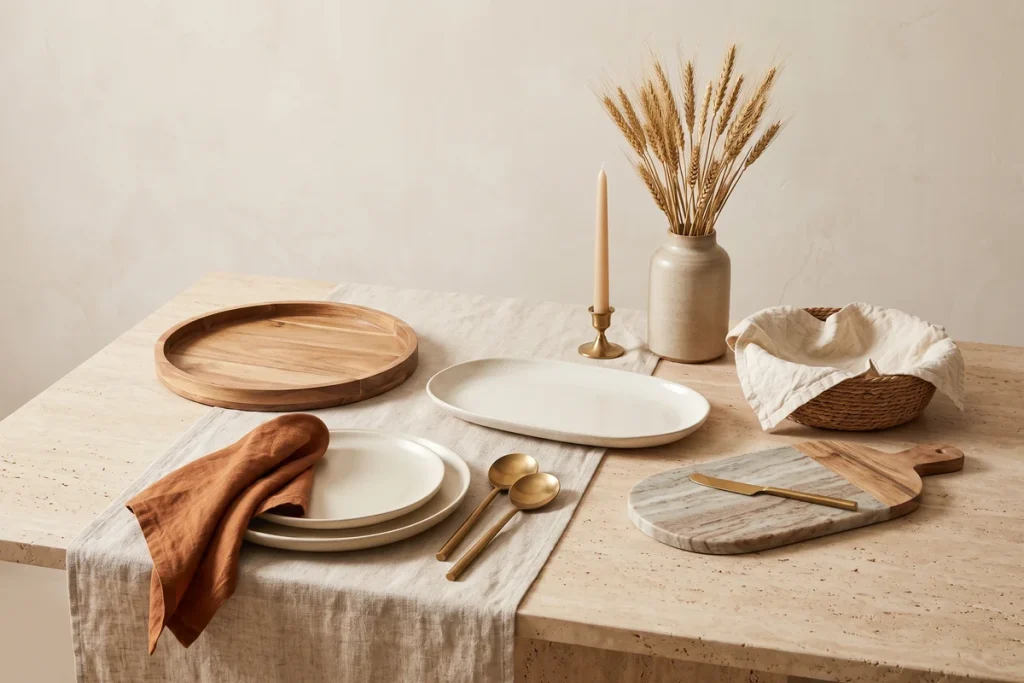
Hostess gifting can show who it’s for without a sign. Make it obvious with a tablescape. Create place settings with napkins, serving platters, serving spoons, a table runner, and a centerpiece. Use a sideboard to display a cheese board, bread basket, a vase, and a candle. Show your early shoppers how these gifts will come in handy for Friendsgiving and early holiday parties.
Product types that work well in gift-ready retail displays
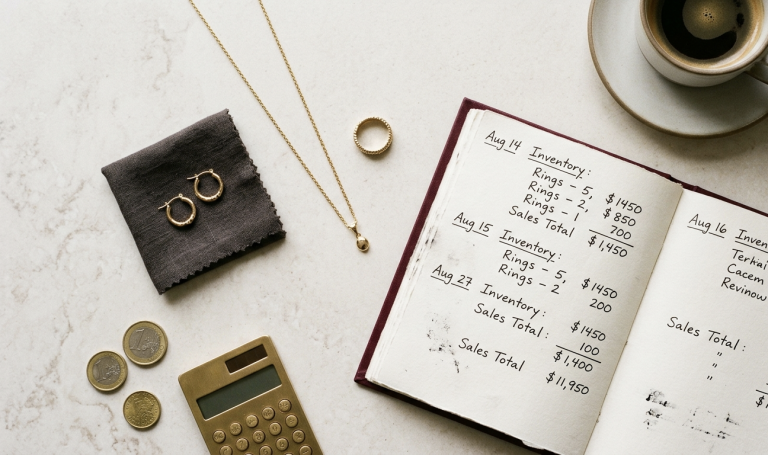
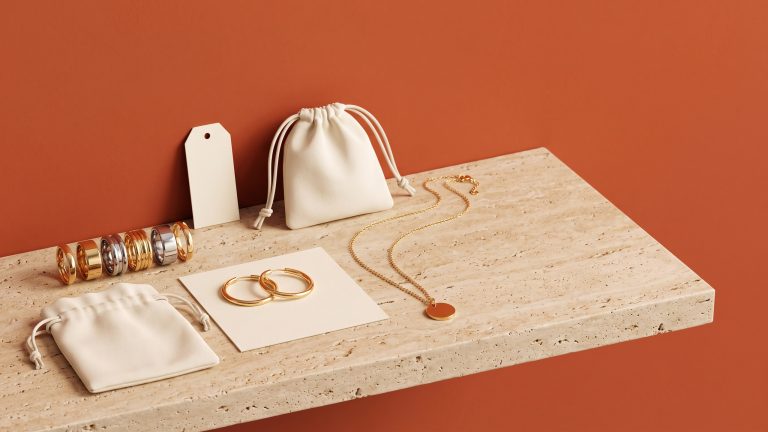
Some products lend themselves better to gift-ready displays than others. Typically, items that appeal to a broad range of people, such as small-format gifts, novelty items, and home decor items, work well on gift-ready displays. Some gifts already look like gifts without trying much, like jewelry. Others look finished without additional packaging, like certain accessories such as a folded, packaged scarf or hair accessories already grouped and packaged.
How to style gift-ready displays for maximum clarity and discovery
Gift-ready holiday displays for retailers should also drive discovery. Pulling together items for your display that are otherwise dispersed across categories and locations in your store gives them more visibility for early shoppers. An item on the shelf that would get overlooked gets noticed when it plays a part in a gift display theme.
Clearly telling the story and setting the scene helps shoppers understand who it’s for, how it feels, and why it fits. No guessing, just easy decision-making purchases.
To do this, use an anchor item as your display focal point and set it higher than the rest. Use varying heights to guide the eye through the display. Don’t be afraid to use props to support the story you’re telling. An open book, not necessarily for sale, can further the scene when laid next to the set of mugs and the throw in the cozy display.
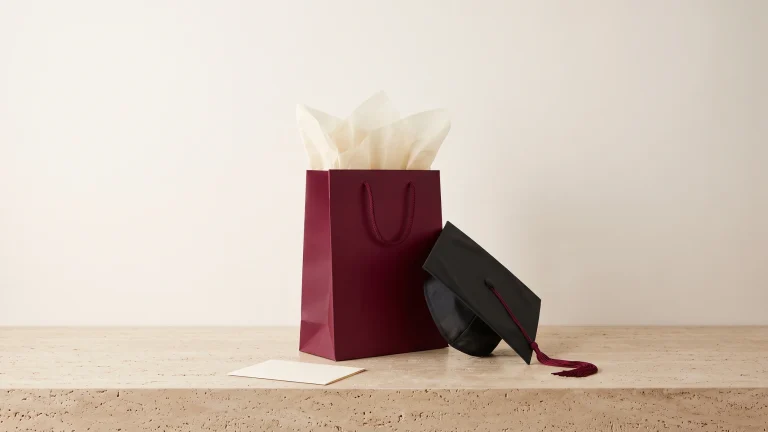
You can also be very obvious about it. Signage can direct exactly who the gift is for, such as “Gifts for Teens” on a table with the newest novelty items. Or use wrapped examples of a gift. Wrap a pair of earrings and display the same item open-boxed next to it. Shoppers can then visualize what’s inside and how it will look wrapped.
How Everful supports gift-ready merchandising with no minimums
Everful supports these early October holiday gift displays in many ways. If you have a recipient group that seems thin, a theme you overlooked, or maybe you have a color story that needs a different color mug, Everful lets you place small orders from vetted factories with no minimums, meaning you can order exactly the amount you need to test the items, with no order floor to clear.
It makes it easy to test a new item in an incomplete theme and then respond to what the test run tells you. Once the item earns its place in the theme, then you can place a larger order. Whether you’re filling one gap or a handful, you can trust that every order is hand-inspected before it ships to you and backed by customer support from a real person.
Common questions about gift-ready displays
How can retailers decide which products belong in a gift-ready display?
Deciding which products belong in a gift-ready holiday display starts with a story. Pick products that fit the story, the intended recipient, and the color story or material. Avoid products that distract from the theme. Order with no minimums to test products on your displays before placing a large order.
How often should retailers refresh gift-ready displays during the holiday season?
Gift-ready retail displays start as early as October with cozy, self-care, and recipient-based themes, then move into bright, bold, holiday-focused themes in November. Restyle the displays daily as items sell through. Refresh them with new themes and products monthly. Rework products that aren’t selling, or displays that are selling unevenly, at any point.
How can retailers measure whether a gift-ready display is performing well?
There are a few ways to measure whether a gift-ready display is performing well. You can compare sales of the products on the display with the same products in their category on the floor. You can also track which gift groupings are selling the fastest and which aren’t. The key is to track everything so you know what’s working and what isn’t.