What makes an accessory a reliable year-round seller
Year-round accessories are a wardrobe staple: every shopper needs versatile pieces that work in every season and with every outfit. They are also some of the most reliable products a retailer can stock. Demand holds regardless of seasonal trends, so they bring in consistent revenue you can count on.
But what makes an accessory sell year-round? Here is what separates trending items from reliable year-round sellers, so you can find the products that perform in every month of the year.
- A year-round seller is a product with consistent demand across every season. It steadies your revenue projections and gives you room to test trending products around it.
- The reliable ones share three traits: timeless design, a neutral or muted palette with classic gold and silver finishes, and construction that holds up to daily wear.
- Jewelry is the category to watch. The State of Fashion 2026 forecasts it as the fastest-growing fashion category by unit sales, growing at more than four times the rate of clothing.
- Durability sells. In a study for the European Economic and Social Committee, a label showing a longer lifespan lifted the share of shoppers choosing a product from 24.7% to 38.5%.
- Keep price points stable and accessible, so margins hold through the year and shoppers can buy on impulse.
- Refresh displays at least once a season, and test new styles factory-direct with no minimums before they join your year-round range.
Why year-round accessories matter for retail stability
Year-round sellers matter because they give your business a reliable source of revenue. A year-round seller is a product with consistent demand across all seasons.
Demand for trending or seasonal items can swing unexpectedly. If you rely entirely on those items, accurate revenue projections become difficult.
Because year-round sellers are always in demand, they create assortment stability, meaning predictable performance across product categories. That makes it easier to estimate how much revenue you will bring in each month, and it gives you more room to experiment with new or trending products.
The traits of a reliable year-round accessory
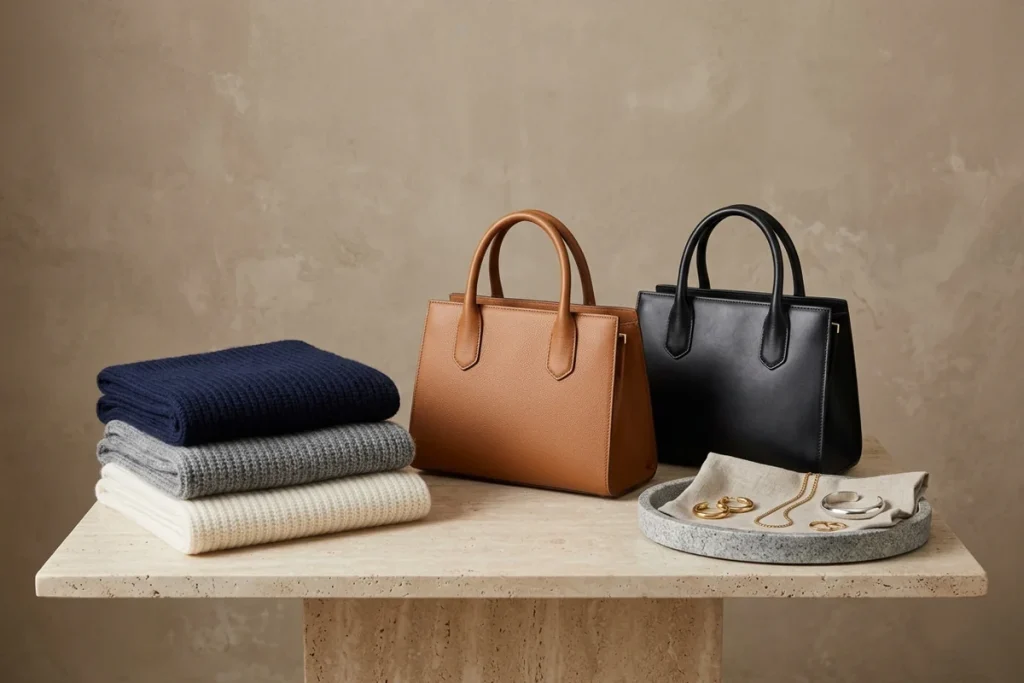
A reliable year-round accessory fits multiple occasions, multiple customers, and multiple seasons without losing demand.
Year-round accessories tend to share a few traits. Their designs are timeless and unlikely to go out of style however trends change, and they work with many different outfits and aesthetics.
Here are the traits to look for as you build your year-round accessory assortment.
Versatility across seasons and occasions
Year-round accessories work for any occasion, whatever the weather or dress code. They are go-to pieces shoppers can pair with their existing wardrobe without much effort.
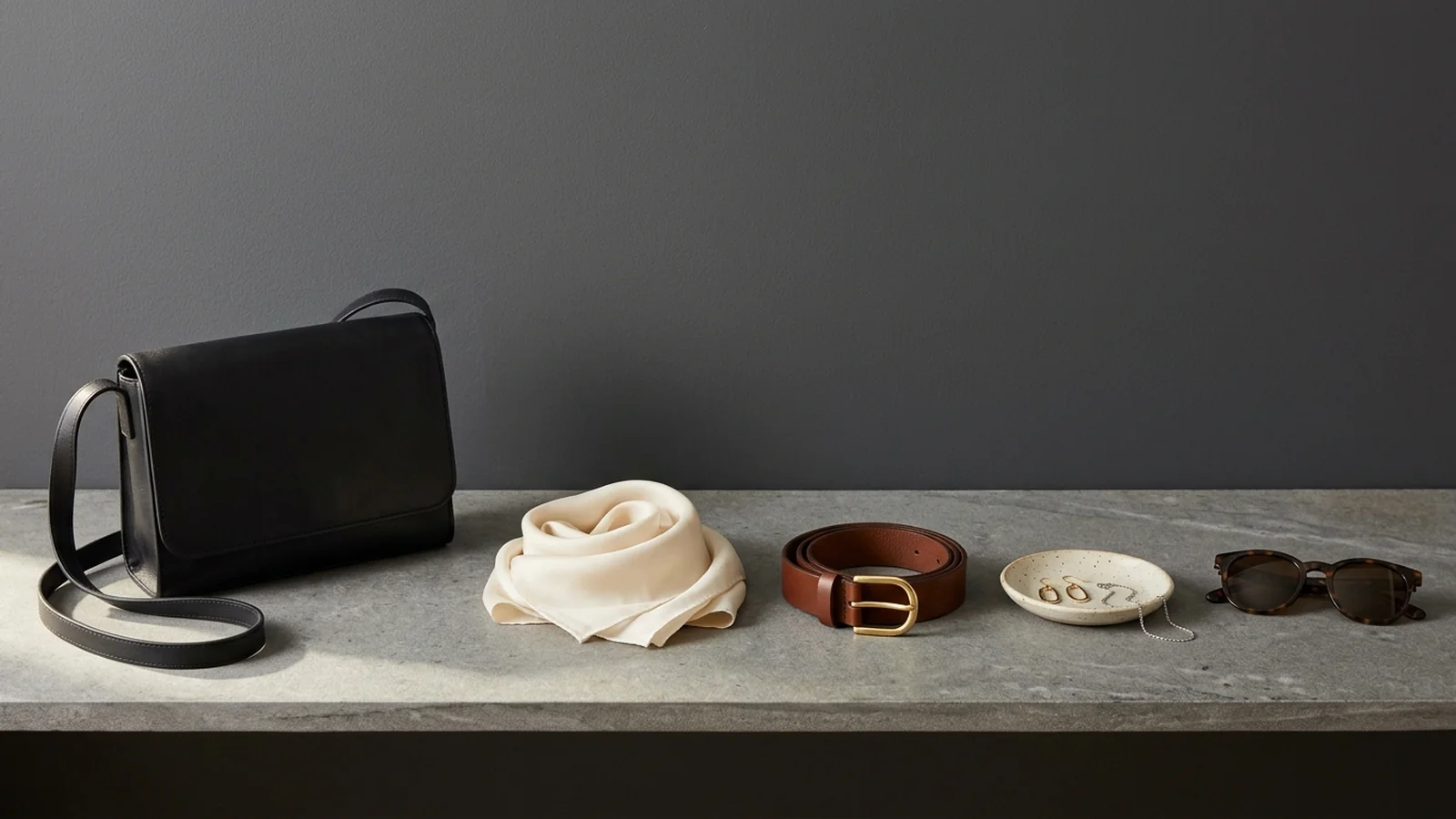
A leather crossbody bag in a neutral like black, brown, or grey is a good example. It works as well for a casual afternoon as for a formal dinner, the neutral shade goes with most colors, and the simple design stays in style as trends change.
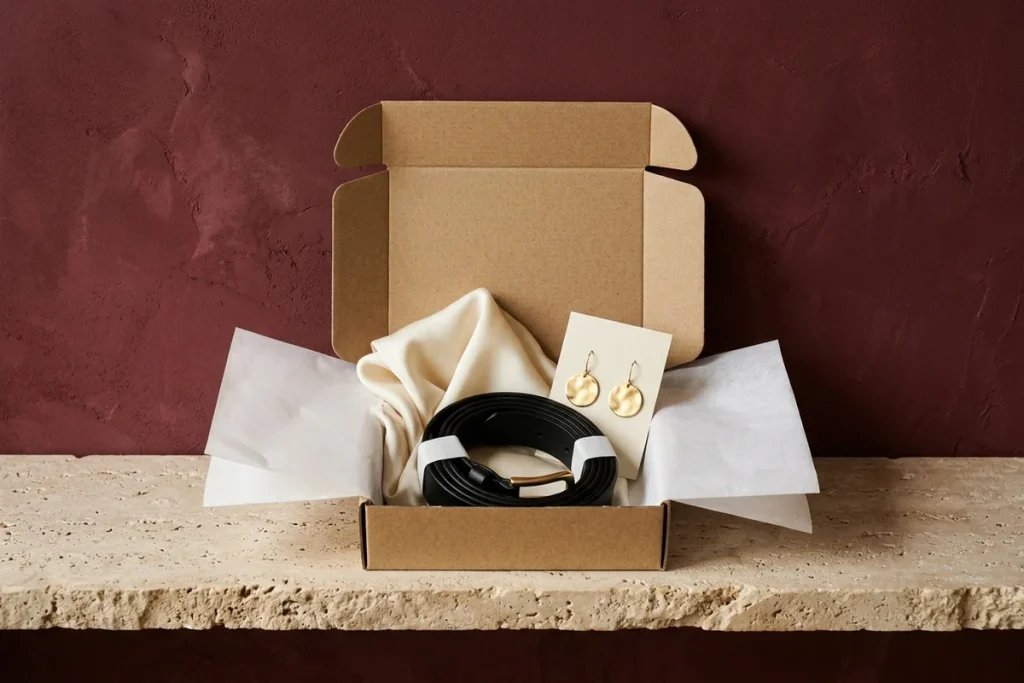
The most reliable accessories also appeal to shoppers of any age or personal style. They are pieces a shopper can buy young and keep wearing for the rest of their life: simple drop earrings, silk scarves, or leather belts.
Jewelry is in particularly high demand right now. The State of Fashion 2026, from The Business of Fashion and McKinsey, forecasts jewelry as the fastest-growing fashion category by unit sales, growing at more than four times the rate of clothing. That makes versatile jewelry a must-stock for any accessories retailer.
Universal color palettes and materials
When you choose accessories for a year-round assortment, look for colors and materials with broad appeal.
Classic silver and gold finishes are the safest choice for year-round jewelry and for hardware on bags, belts, and sunglasses. Other metal finishes move in and out of style; silver and gold stay staples.
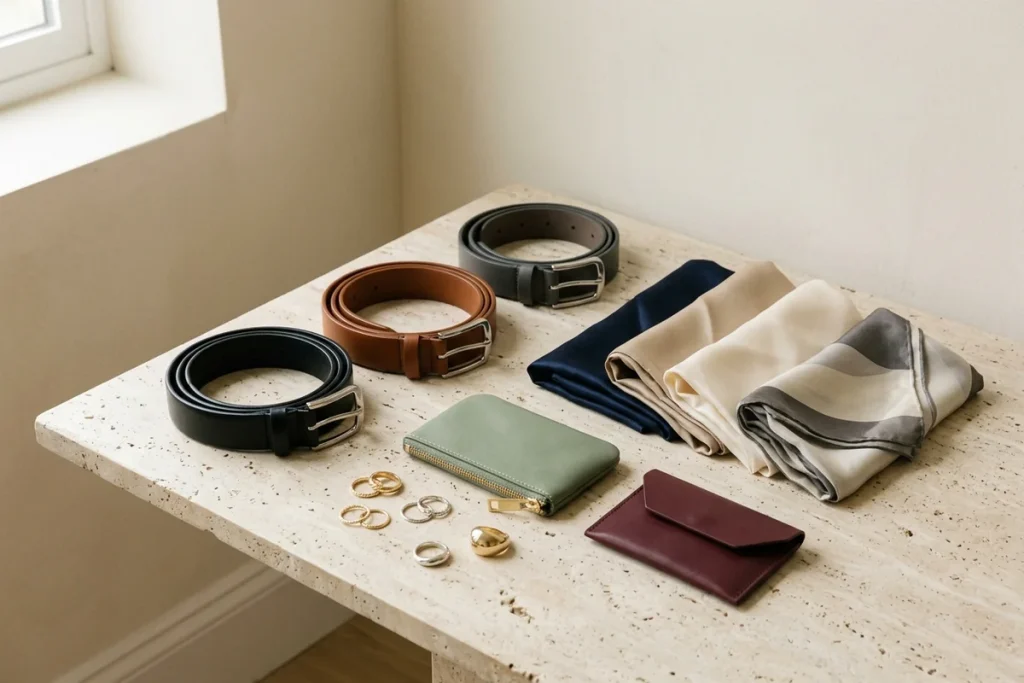
For year-round accessories, a neutral palette tends to outperform bright colors, which move in and out of style faster. Neutrals are not limited to black and brown: navy, beige, grey, and cream are just as versatile and add variety to your assortment.
If you want color beyond neutrals, choose muted shades like sage green or burgundy. They are timeless and work with a wide range of styles.
Materials and construction that support year-round demand
Durable materials and construction are a priority for many shoppers. A 2016 study for the European Economic and Social Committee, carried out by the University of South Brittany, the University of South Bohemia, and the agency Sircome, found that when a label showed a product lasted longer than its competitors, the share of shoppers choosing it rose from 24.7% to 38.5%, a 56% increase in sales.
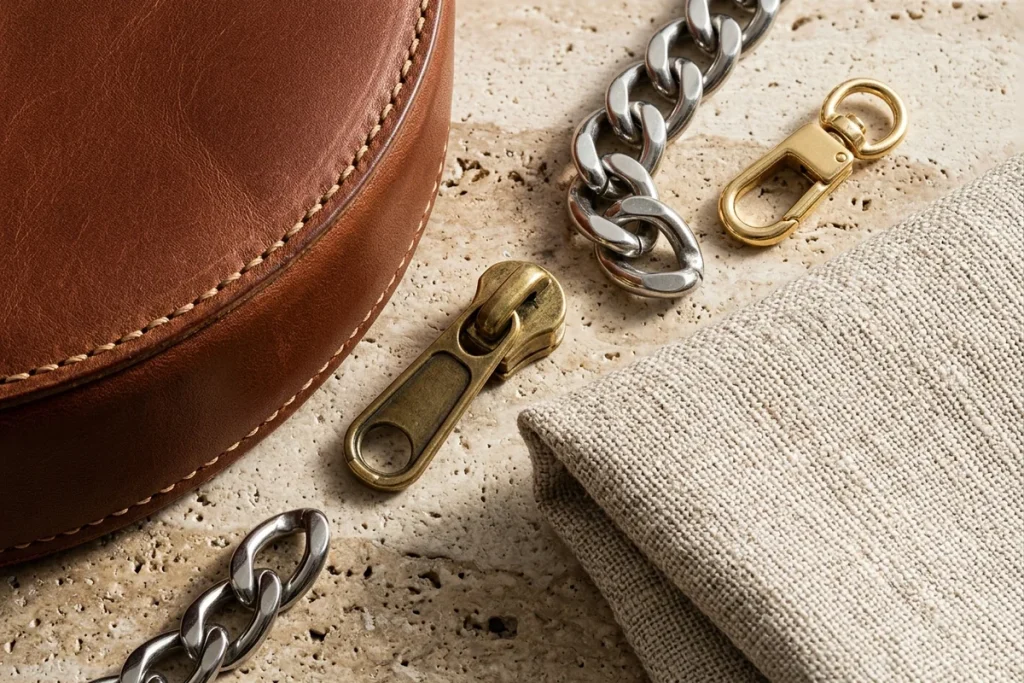
To build an accessory assortment with year-round appeal, look for quality materials and craftsmanship that stand up to daily wear. Many people wear these staples several times a week, so durable construction matters especially for these pieces.
Durable materials for accessories include stainless steel, leather, and hemp. Cotton, linen, and silk are strong choices for fabric pieces, and recycled plastics are an effective, sustainable option for some accessories.
When you evaluate a product, check the stitching, zippers, hinges, and other construction details. They are a good indicator of how long it will last.
Durability and repeat-purchase potential
Consistently stocking durable, quality accessories gives shoppers a reason to come back and builds loyalty to your store.
When customers want another accessory, they know they can count on you for quality, which gives you an edge over competitors.
Durable accessories also make good gifts. A customer who loved an accessory from your store may buy one for a friend or family member the next time there is a special occasion to celebrate.
Price-point alignment and margin stability
Price is an important consideration for an evergreen accessory assortment. Ideally, these timeless products hold stable price points, so their profit margins change little through the year.
Consistent evergreen margins give you financial flexibility. You can test new trends or invest in seasonal items without taking a large risk.
Everyday price-point ranges
The right price point for an accessory depends on factors like its size, materials, and style.
Successful year-round accessories usually sit at what you might call a Goldilocks price point. Because they use quality materials and timeless designs, they are not the lowest-priced products on the market.
The price is still accessible enough that the average shopper can buy without planning ahead. That accessibility is what makes impulse purchases possible when a great accessory catches a shopper’s eye.
Some products, such as jewelry made with 14K gold or sterling silver, command a higher price point because of their materials.
Merchandising strategies that keep accessories selling all year
Styling year-round accessories in attractive displays keeps them feeling fresh all year.
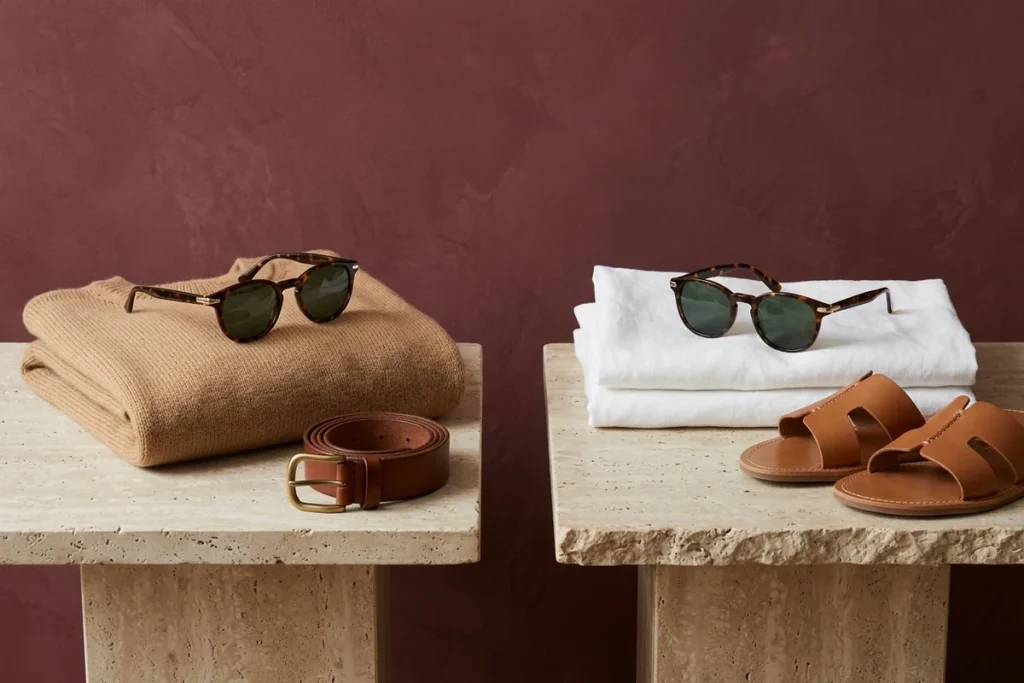
Many shoppers buy accessories to complement an outfit, so one of the simplest merchandising tactics is pairing them with seasonal clothing. It gives customers styling ideas and helps them picture themselves wearing each piece.
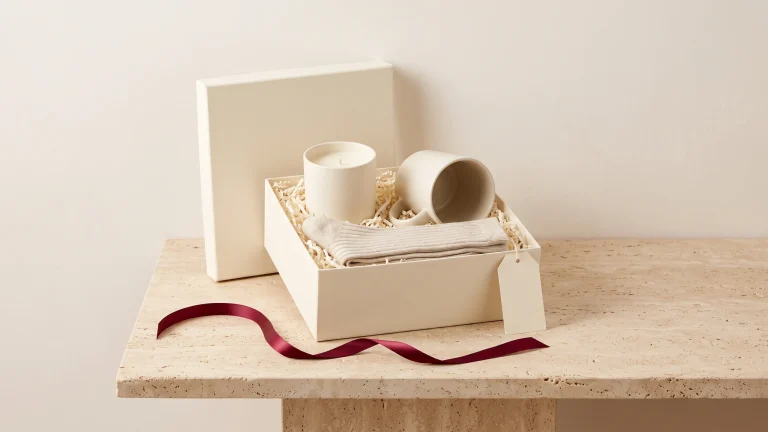
You can also pair accessories with other products in a similar price range, such as home décor, beauty items, or stationery.
Displaying accessories with complementary products lifts your attachment rate and your revenue. Attachment rate is the percentage of purchases where an add-on product joins a primary one.
Refreshes that maintain visibility
To keep year-round accessories selling consistently, refresh your merchandising through the year. Refreshed displays keep these pieces feeling current and make sure customers do not overlook them.
As you build each new seasonal display, work your evergreen accessories into it rather than styling them only with each other. Classic sunglasses might sit with a sweater and trench coat in fall, then return with a dress and sandals when spring comes around.
How Everful supports year-round accessory sourcing with no minimums
Everful helps you build out a year-round accessory collection without the risk. Everful is factory-direct with no minimums, so you can order a single unit, a thousand, or whatever quantity works for you, with no order floor to clear before you buy.
That means you can test new accessories in small quantities and see how customers respond before adding them to your year-round inventory. If customers love a piece, you can restock to keep the revenue flowing. If not, you are not left with extra inventory taking up space in your stockroom.
Everful offers more than 20 million products, with more than 10,000 new arrivals every day. Choose from a wide range of accessories to find the ones your customers will love, with every order hand-inspected before it reaches you.