2027 retail trend forecast: What to stock next year
Retail in 2027 will reward the buyers who plan early. This forecast covers the shopper shifts, category trends, colors, materials and merchandising moves set to shape demand next year, and how to build them into your assortment now.
- Retail trends in 2027 will be driven by elevated essentials, cross-category gifting, and data-driven buying behavior.
- Shoppers are prioritizing essentials, but they want high-quality versions built to last, not the cheapest option on the shelf.
- Category trends to watch include long necklaces and pearls, embroidered bags and scarf belts, embroidered home decor, tactile toys and blind boxes, and self-care kits.
- Soft, earthy shades like green, terracotta, rose and light blue lead 2027 color, alongside natural materials like cotton, linen, wool and silk.
- Cross-category and interactive displays help shoppers discover new products and picture them together.
- Test new trends in small quantities before you commit. Sourcing with no minimums keeps your inventory risk low.
The end of the year is approaching, which means it’s time to start thinking about what to stock next year. But before you can do that, you’ll need to know what items are expected to trend and the consumer behaviors driving those trends.
Stocking trending products gets customers through the door so you can turn demand into revenue. It also keeps your brand feeling fresh and relevant. Here are 2027 retail trends to watch and how you can incorporate them into your upcoming assortment.
What will shape retail demand in 2027
Retail trends in 2027 will be driven by elevated essentials, cross-category gifting, and data-driven buying behavior. Here’s what to expect from these growing retail trends.
Elevated essentials
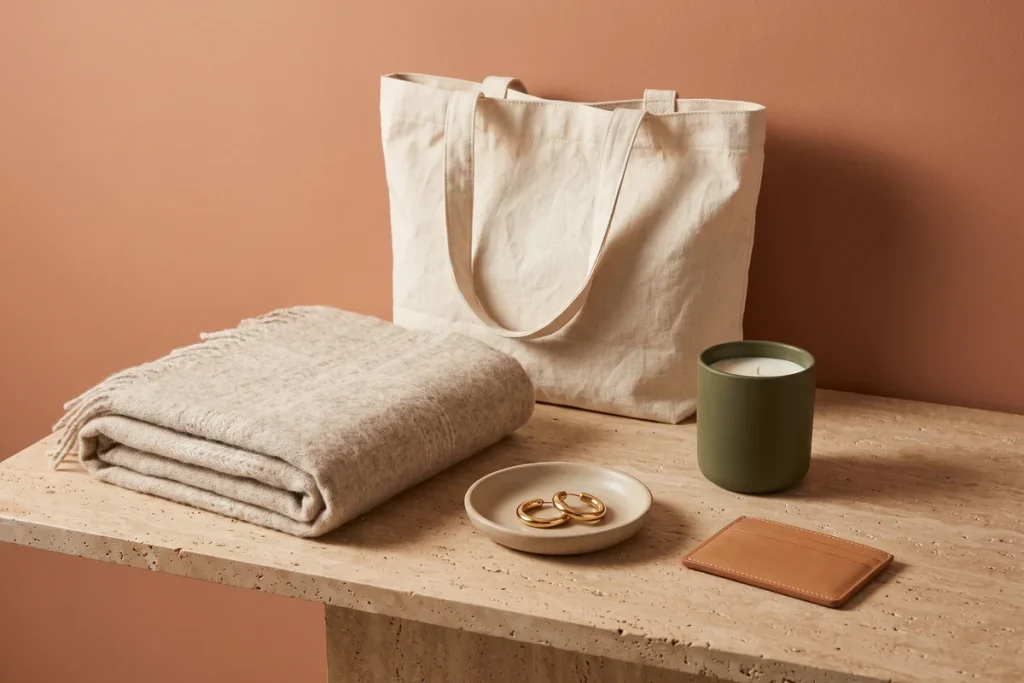
Ongoing economic stressors have forced consumers to adjust their spending patterns, so they’re prioritizing essential items over discretionary purchases. They also want to invest in products that are built to last, which has led to a focus on high-quality versions of essential items.
Research from Goldman Sachs found that online spending in essential categories like food and beverage and pet care grew faster year-over-year in 2024 than discretionary categories like consumer electronics and apparel and footwear. A 2025 Kearney Consumer Institute report also found that good quality is the factor consumers weigh most when choosing products, with 69% ranking it among their top three.
Cross-category gifting
A new approach to gifting will also affect the retail industry this upcoming year. Instead of gifting individual items, shoppers are using cross-category gifting to build bundles their recipients will love.
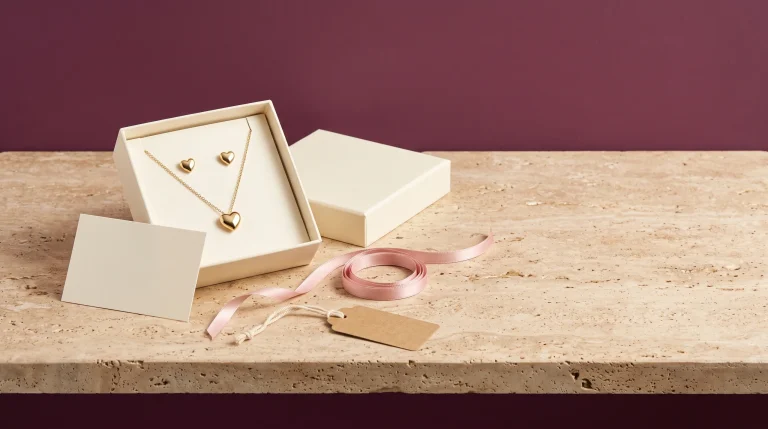
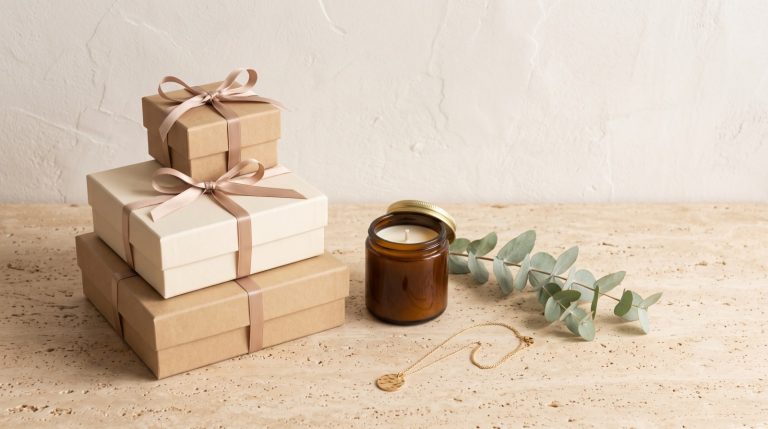
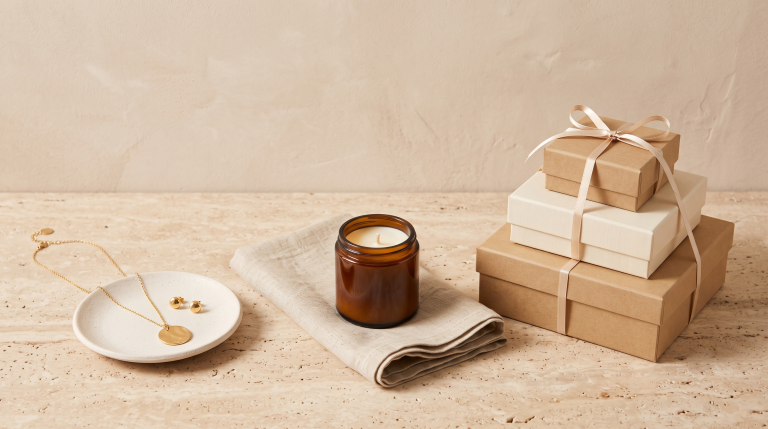
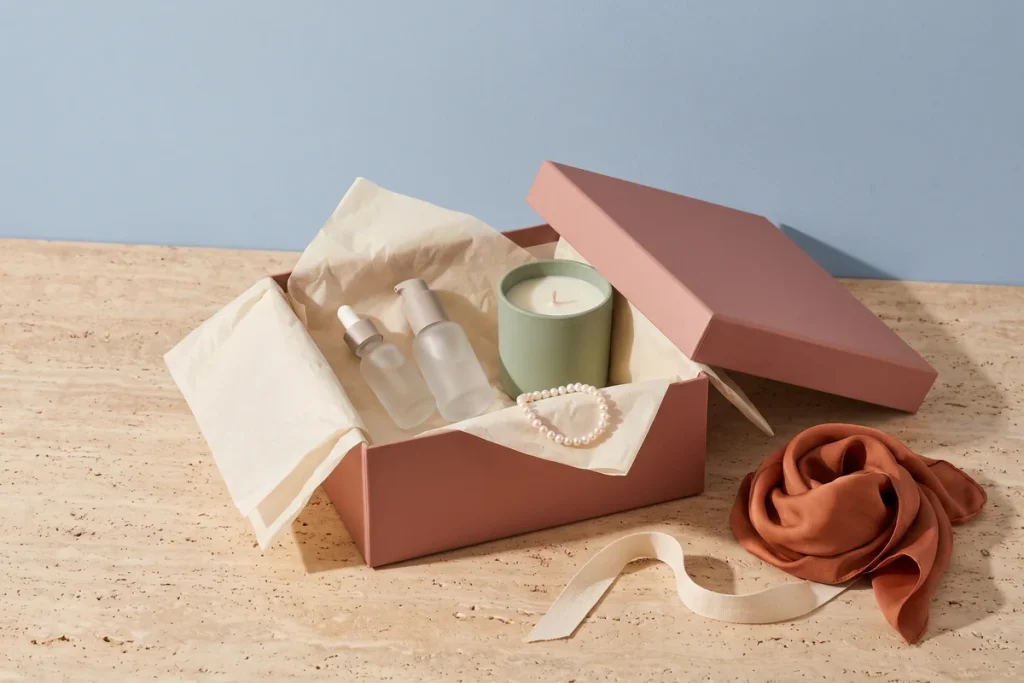
Cross-category gifting is the practice of pairing items from different retail categories together as one cohesive gift. For example, a shopper might pair a beauty item, like a skincare set, with a home decor item, like a candle or wall art, to create a cozy self-care bundle.
Data-driven buying behavior
Today’s shoppers have access to more data than ever, and they’re using it to make smarter buying decisions. Instead of making impulse buys, shoppers extensively research the items they want to purchase, evaluating factors like product quality, design, and sustainability.
A 2026 report from Salsify found that 67% of consumers browse items online first before purchasing them in-store. Many consumers are even turning to AI tools to help with this process. A 2026 McKinsey survey found that 68% of U.S. consumers had used at least one AI tool in the past three months, and 19% of those users had used AI to “discover and/or decide on brands, products, or services.”
Category trends expected to lead in 2027
It’s difficult to predict exactly what items will take off next year, but there are already some products generating buzz on social media and among retail industry leaders.
Here are some upcoming retail trends to watch across categories for 2027:
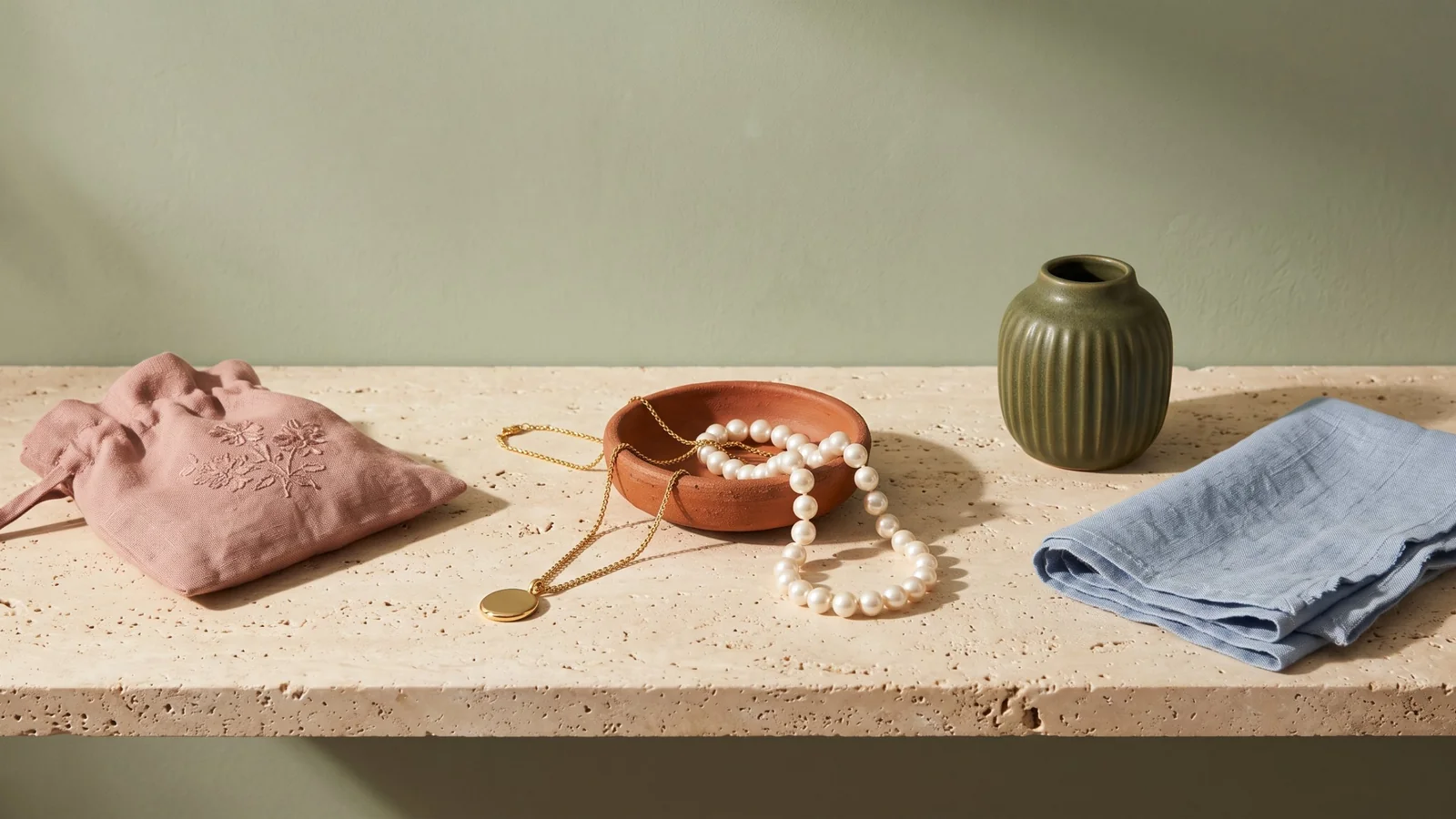
- Jewelry: Long necklaces, maximalist pearls, and vintage-style earrings lead the autumn/winter 2026/2027 jewelry trends, per Vogue Adria, and are likely to go mainstream next year.
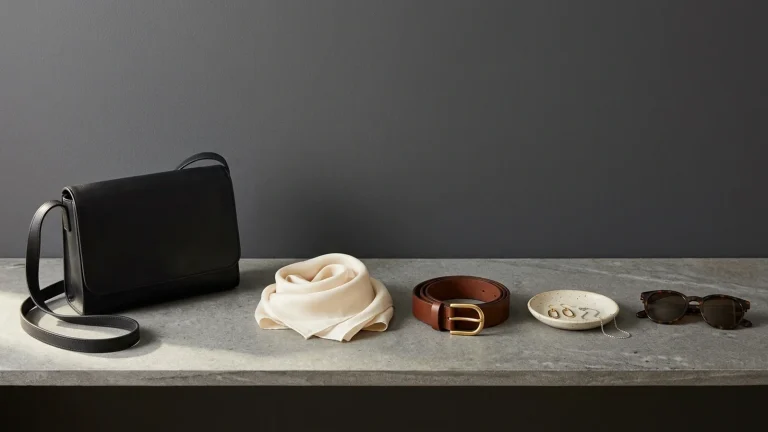
- Accessories: Embroidered bags and scarf belts were among the top accessory trends on the spring 2027 runways at New York Fashion Week, according to Town & Country. After years of minimalism, bold, statement-making pieces feel fresh.
- Home: Embroidery and other decorative details like tapestry and tassel trims are set to be a top trend in home decor next year, according to a 2027 interiors forecast in Table Magazine.
- Novelty: Tactile, hands-on toys like fidgets, squishy plush, and building sets were all over the 2027 toy previews, according to License Global. Blind boxes are also likely to remain popular through next year.
- Self-care: For 2027, shoppers are focusing on holistic self-care that combines external beauty with internal wellness, according to Mintel’s 2027 beauty and personal care predictions. That means integrated systems and kits are likely to trend over individual products.
Stocking these items now ensures you’re prepared when each trend takes off next year.
Materials, colors, and aesthetics trending for 2027
Soft, earthy shades will be top trends for 2027, judging by the paint brands’ 2027 Colors of the Year rounded up by Homes & Gardens. Shades to watch include green, terracotta, warm brown, rose, and light blue. These shades are versatile and work for a wide variety of products, ranging from fashion to accessories to home decor.
Natural materials are also likely to trend in 2027. Polyester and other synthetic materials have been a hot topic on social media in recent years, with many consumers choosing to avoid these materials in favor of more sustainable options like cotton, wool, linen, and silk. A 2020 McKinsey study found that 67% of UK and German consumers surveyed considered the use of sustainable materials to be an important purchasing factor when buying fashion, and the trend has only continued since then.
Merchandising trends retailers should prepare for
It’s not only new products and aesthetics that will trend in 2027. It’s also how retailers will display them to grab their customers’ attention.
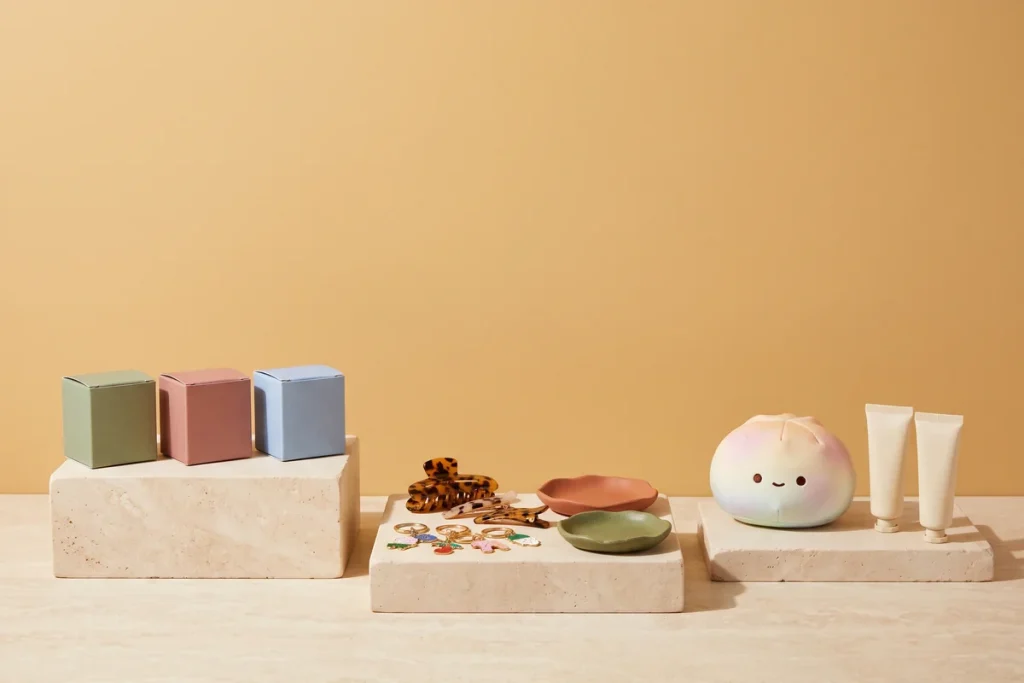
One trend that’s picking up speed is cross-category displays. Instead of keeping each product category separate, retailers are creating displays that show how they work together.
For example, brands might display mannequins with fall clothing and accessories with fall home decor items. This encourages product discovery across categories and makes it easier for shoppers to picture themselves using each item.
Another exciting new trend is interactive and immersive retail displays. These displays allow shoppers to touch and use products before making a purchase. Displays already carry real weight at the shelf: a 2026 study from Frank Mayer found that 63% of U.S. shoppers say a retail display has influenced their choice when comparing similar products. Being able to try a product before buying makes the final purchasing decision easier.
Buying behavior shifts expected in 2027
The way consumers find, compare, and purchase products changes over time, and retailers need to be prepared for this upcoming year.
One of the biggest shifts to watch for is a focus on practical purchases. A 2026 study from Gallup and Edward Jones found that 83% of U.S. adults reported financial stress, strain, or uncertainty. When finances get tight, many consumers focus their shopping on items they need and cut back on unnecessary purchases.
However, this doesn’t always mean consumers are buying the cheapest products available. Instead, they’re often looking for high-quality products with lasting power. Retailers can adjust to this trend by stocking essentials with durable materials and timeless design.
It’s also likely that consumers will continue using AI tools and other cutting-edge technology to inform their purchases. To adapt to this trend, retailers should have clear, detailed information about their products online, even if they primarily focus on in-store customers.
How Everful’s trend-driven product insights support 2027 planning
On Everful, you’ll find over 20 million products with over 10,000 new arrivals daily to help you build your 2027 assortment. Browse trending collections and best sellers to stock hot new products before they hit their peak.
Everful’s Real-Time Trend Analysis, coming soon to your account, ranks what’s gaining momentum across the market and tunes it to your categories. The same signals already power your personalized recommendations. Every trending product is ready to order from vetted factories with no minimums. That means you can test new trends in small quantities to reduce your inventory risk.
Common questions about 2027 retail trends
How can retailers prepare for 2027 trends early?
Retailers can prepare for 2027 trends early by identifying products with potential and building their inventory assortment for next year. Practical, high-quality items are a top trend for next year, so retailers should focus on elevated essentials across categories.
What materials and aesthetics will be most popular in 2027?
Soft, earthy colors and natural materials will be popular in 2027. Shades like greens, blues, and warm browns will all be top choices, as will fabrics like cotton, linen, and wool.
How should retailers validate trends before buying?
To validate trends before buying, retailers can look at demand data using tools like Everful’s Real-Time Trend Analysis. You can also validate trends by looking at social media activity among your target audience.