

How government and nonprofit organizations source corporate gifts
Nobody in a government agency or a nonprofit gets to just order the gifts. There is a per-recipient ceiling, a rule about what the recipient can accept, and a procurement chain between you and the invoice. Here is how to build a gifting order that clears all three.
Key takeaways
- Institutional gifting is scrutinized spending, so the per-recipient value has to be defensible and documented before it is approved.
- The safest gifts are modest, practical, and tied to the organization rather than the individual, which keeps orders inside acceptance rules.
- Approval moves through procurement, not one decision-maker, so a fixed quantity matched to a named recipient list is easier to sign off than an open-ended order.
- Custom branding turns a stock item into organizational recognition, and custom fulfillment handles assembly so a lean team is not kitting by hand.
- No minimum order, starting with a single piece on most products, lets an organization buy the exact quantity a recipient list needs and nothing that sits in a supply closet.
Gifting inside a government agency or a nonprofit works differently than it does inside a private company. The budgets are tighter, the approval chains are longer, and there are rules about what a recipient can accept and what an organization can spend. None of that puts gifting off the table. Agencies recognize staff and volunteers, nonprofits thank donors and honor board members, and both hand out branded items at events. The task is doing it at scale, on budget, and inside the rules that apply.
This guide covers what makes institutional gifting different, how to choose compliant and appropriate gifts, how to budget and get gifting approved, how to build custom-branded sets, and where to source without a large minimum order.
What makes institutional gifting different
Three things separate institutional gifting from ordinary corporate gifting. First, the spending is scrutinized, so per-recipient value has to be defensible and documented. Second, recipients may face limits on what they can accept, which shapes what kind of gift is appropriate at all. Third, volume is high and lead times are long, because orders move through procurement rather than a single decision-maker. Planning around those three realities up front keeps a project from stalling later.
Choosing compliant and appropriate gifts
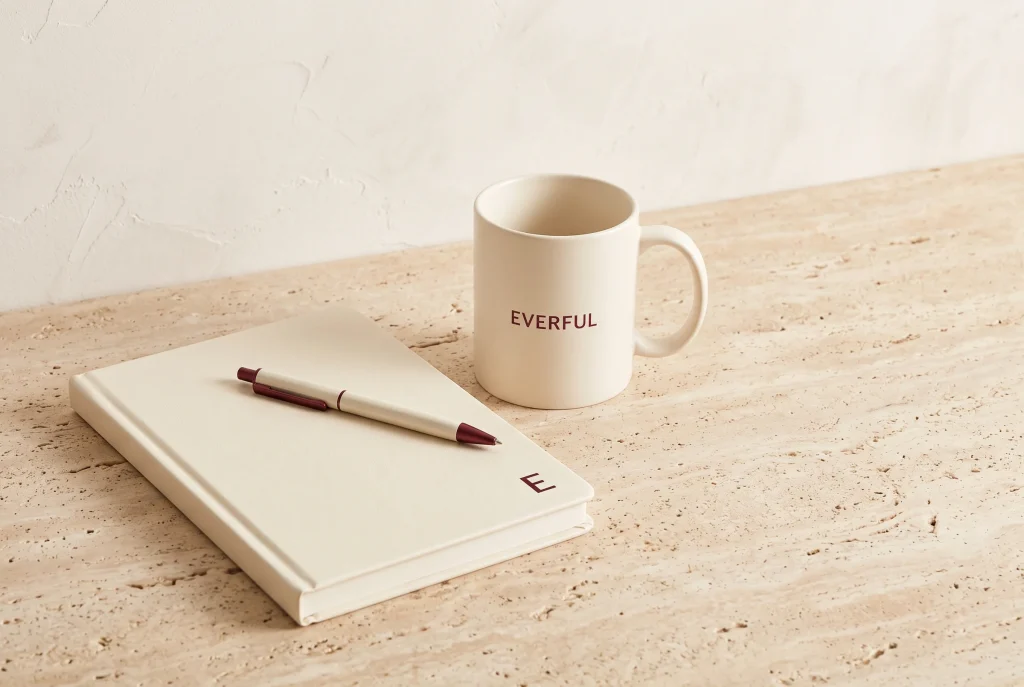
The safest institutional gifts are modest in value, practical, and clearly tied to the organization rather than to any individual. Branded tote bags, drinkware, notebooks, and desk accessories work well because they read as organizational recognition rather than personal reward. For federal recipients in particular, gift-acceptance rules cap the value of what an employee may accept, so keeping per-item value low keeps everyone on the right side of policy.
Rules vary by agency, jurisdiction, and organization type, and this is general guidance rather than legal or compliance advice. Confirm the limits that apply with your organization’s ethics or compliance office before you order. Once you know the ceiling, choosing gifts becomes a matter of staying comfortably under it.
Budgeting and getting gifting approved
Institutional gifting lives or dies on the per-recipient number. Set it first, then choose the gift to fit. A defensible per-recipient budget, multiplied across a named recipient list, is what procurement will approve and what an auditor will accept later. Buying at volume and sourcing directly is what holds that figure down without dropping quality.
Approval is its own step, and it moves faster when the request is built to be signed off. Four things make that easier:
- Tie the total to a recipient list. A fixed quantity matched to a specific group of people reads as a defined expense, which is easier to approve than an open-ended “gifts for staff” line an approver has to interpret.
- Document the per-item value. Keep the per-recipient figure visible on the request so an approver and, later, an auditor can see at a glance that it sits under any acceptance ceiling.
- Match the quantity to the need. Ordering the exact count avoids leftover stock, which is a budget question and a documentation one, since unused inventory is harder to account for than a quantity that maps to a list.
- Build in the lead time. Procurement, vendor paperwork such as a W-9, and any branding all take time, so a request that already accounts for the approval window and production is one an approver does not have to send back.
For large lists, plan around tiers. A modest branded item for a broad staff or volunteer group, a slightly higher tier for donors or honorees, and a small premium tier for a handful of key recipients covers most institutional needs without inflating overall spend. Custom fulfillment options are available if an order has specific assembly or split-shipment requirements.
Building custom-branded gift sets
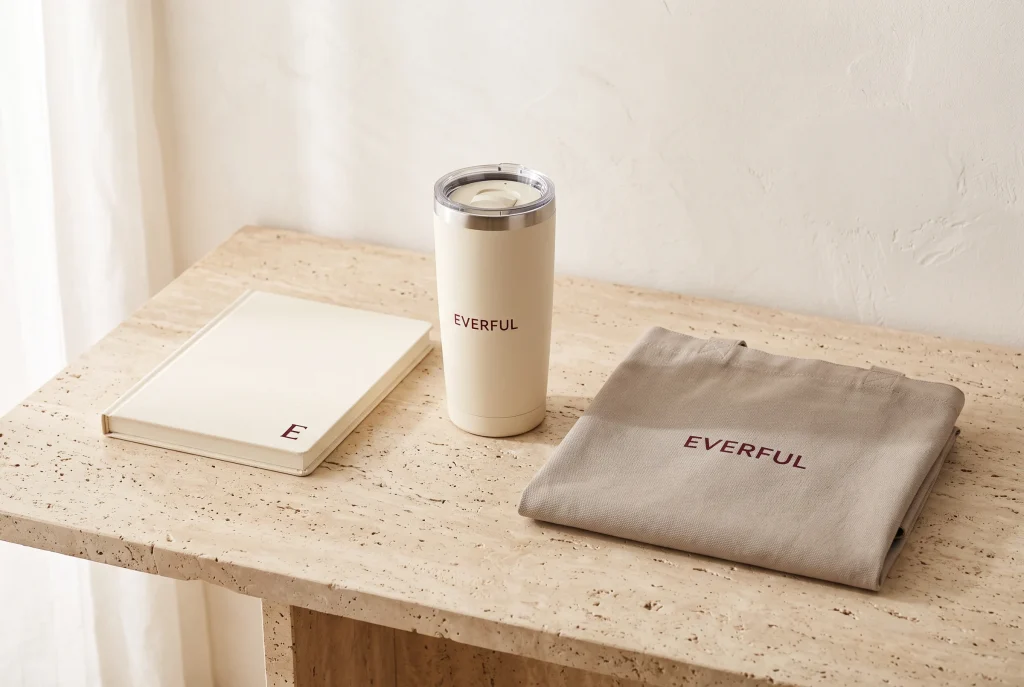
Custom branding is what turns a simple item into organizational recognition. An agency seal, a nonprofit logo, or an event name signals that the gift comes from the institution, which is exactly what compliance-conscious gifting calls for. Assembling two or three branded items into a gift set raises perceived value without raising per-item cost much, which helps a modest budget present well.
Sourcing components at factory-direct pricing leaves room to add branding and still keep the per-recipient value defensible. Build the sets from components bought at volume rather than buying pre-made, and you control both the cost and the presentation.
Where to source with no minimum order
Traditional promotional suppliers require large minimums, which is a poor fit when the recipient list is specific and the budget is fixed. Sourcing with no minimum order lets an agency or nonprofit order the exact quantity it needs, start with a single piece on most products, add branding, and skip the overspend that ends up sitting in a supply closet.
Everful connects organizations directly to factories at factory-direct prices, so you can source compliant, branded gifts for a recipient list of any size and keep the per-recipient value where it needs to be.
Common questions about institutional gifting
What gifts can a government agency give within budget rules?
Modest, practical, clearly branded items such as tote bags, drinkware, and desk accessories are the safest choice. Keeping per-item value low and confirming the limits with your compliance office keeps an order within policy.
How do you get gifting approved through procurement?
Tie the total to a named recipient list, keep the per-recipient value documented and under any acceptance ceiling, order the exact quantity needed, and build in lead time for approval, vendor paperwork, and branding. A request built to be signed off moves faster than an open-ended one.
What is the $20 gift rule for federal employees?
Under federal ethics rules, an executive branch employee may generally accept a gift from an outside source worth $20 or less per occasion, up to $50 per year from any one source, and cash is excluded from that exception entirely. Exceptions and agency-specific rules apply, so verify with your ethics office. In practice, keeping per-recipient value modest avoids the issue.
Are gifts to nonprofit staff taxable?
Tax treatment depends on the value and form of the gift and is a question for your finance team or accountant. Small non-cash items are generally treated differently from cash and gift cards, which are typically handled as taxable compensation. This guide is not tax advice, so confirm the treatment before you order.
What are appropriate corporate gifts for a government agency?
Branded, practical, modestly valued items that recognize a group rather than reward an individual work best: drinkware, bags, notebooks, and desk accessories carrying the agency’s identity.
How do organizations buy gifts at volume within compliance rules?
Set a defensible per-recipient budget, choose items that stay under any acceptance limits, document the spend, and source at volume. Everful lets government agencies and nonprofits source with no minimum order so quantities match the recipient list exactly.