The most popular stuffed animals to stock this year
Teddy bears, food-shaped plush, mini collectibles: every style has a place, just not in every store. Here’s how to pick the stuffed animals that fit your customers, your shelves, and your price points.
- There’s no universal bestseller list. Classic teddy bears, traditional animals, expressive characters, food-shaped plush and mini collectibles each suit different stores.
- Keep a core of familiar plush year-round and rotate a smaller set of seasonal and novelty designs.
- Balance sizes: minis fit countertops, while oversized plush takes floor space and costs more to ship and store.
- Only stock licensed character plush from authorized suppliers, and check stitching, attached features, labels and safety documentation.
- Test a focused assortment, track sell-through by style, and weigh margin before reordering. With no minimums, a new design can start as a few units.
Walk into almost any gift shop or toy store, and you’ll find stuffed animals and plushies. They’re familiar gifts, easy to display, and available in enough designs to appeal to different customers. But that variety can also make choosing the right wholesale assortment surprisingly difficult.
Should you stick with classic teddy bears? Make room for food-shaped plush toys? Or invest in collectible characters that shoppers recognize from social media?
For retailers, the answer usually isn’t to stock a little of everything. It’s to understand which popular stuffed animals fit your customers, your available shelf space, and the price points you want to offer. From traditional plush animals to novelty designs, here are the stuffed animal styles worth considering in 2026, along with practical tips for buying and merchandising them.
What are the most popular stuffed animals in 2026?
There’s no single list of stuffed animals that will sell best in every store. Customer preferences vary by age group, location, gifting occasion, and retail category. However, several established plush toy styles are worth evaluating when building a wholesale assortment.
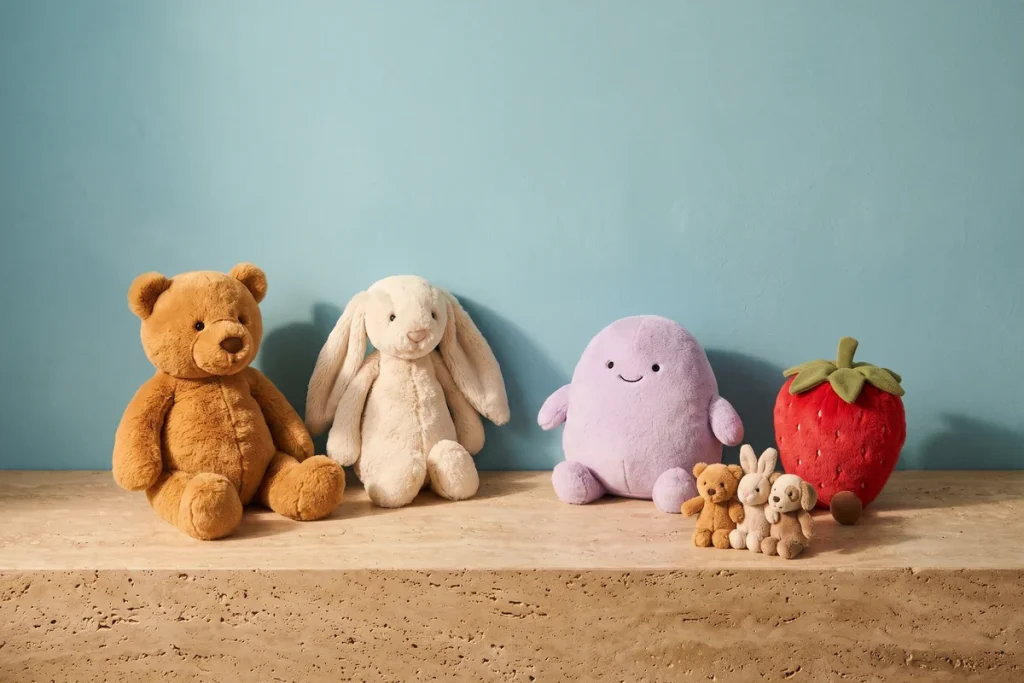
Classic teddy bears and traditional animals
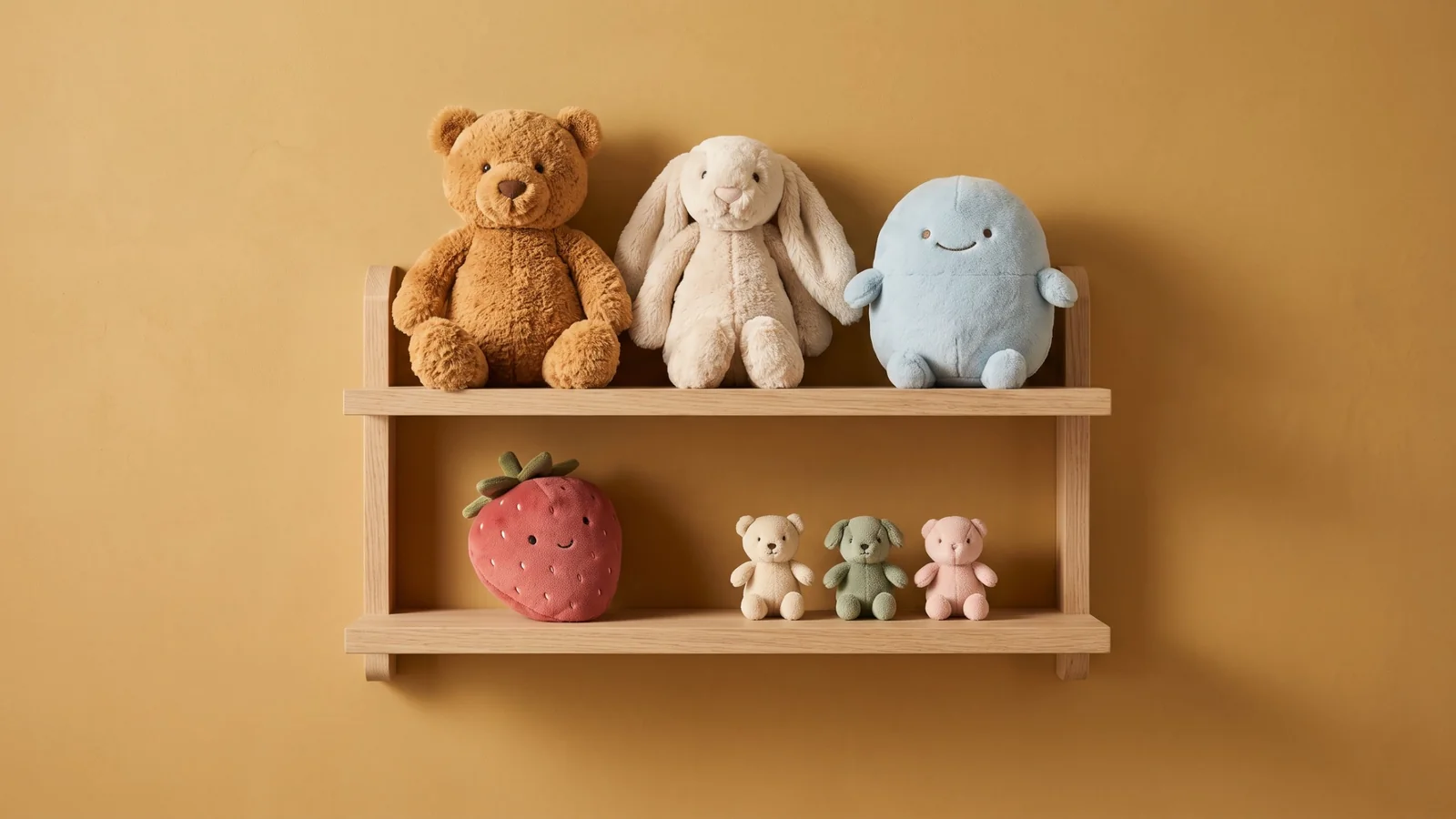
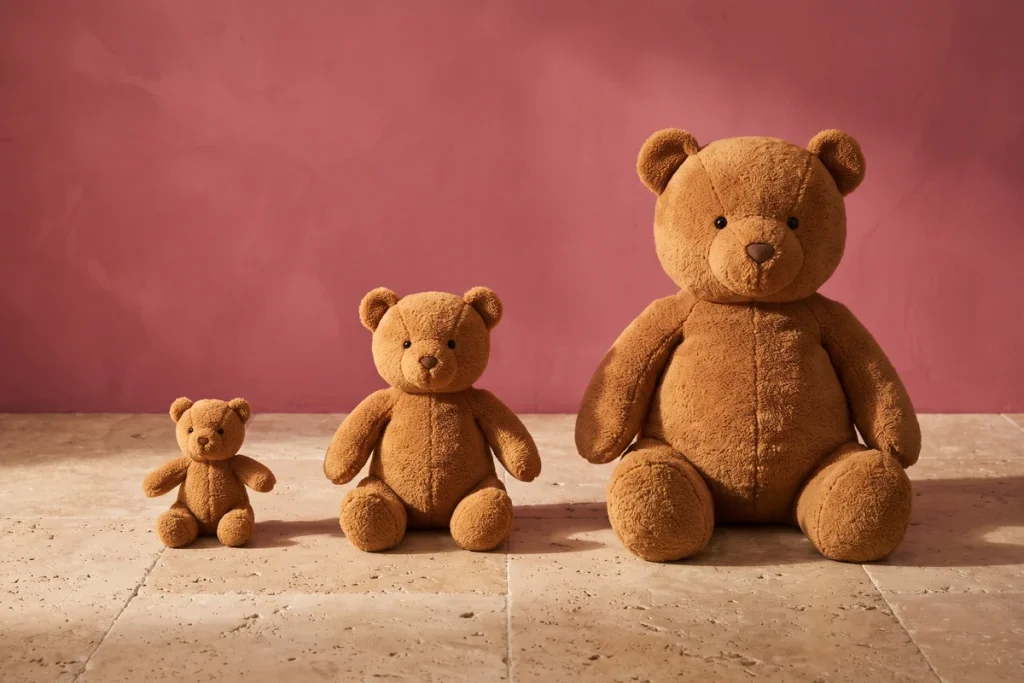
Teddy bears are among the most recognizable stuffed animals, making them a natural starting point for many retailers. Their familiar appearance works across birthdays, holidays, and everyday gifting occasions. Retailers can choose from traditional brown bears, pastel-colored designs, miniature bears, and larger plush options.
Other familiar animals, including bunnies, dogs, cats, and elephants, can complement a classic plush assortment. These designs may be especially useful for stores that want products with broad gifting appeal rather than relying entirely on short-lived novelty trends.
Cute and expressive plush characters
Not every stuffed animal needs to resemble a realistic animal. Round bodies, oversized eyes, smiling faces, and exaggerated proportions can give plush toys a distinctive appearance. These designs can appeal to shoppers looking for playful gifts or decorative accessories.
For retailers, the main consideration is whether the style fits the store’s existing merchandise and customer preferences. A boutique with colorful accessories may benefit from expressive character plush, while a traditional gift shop may prefer a more understated selection.
Food-shaped and novelty plush toys
Food-inspired stuffed animals offer another way to diversify a display. Plush designs resembling strawberries, dumplings, pastries, or other familiar foods can create a playful contrast with traditional animal toys. They also lend themselves to themed displays.
For example, a retailer might group dessert-inspired plush toys with novelty stationery or other giftable accessories. The goal is to introduce variety without allowing novelty products to overwhelm the assortment.
Mini and collectible plush toys
Smaller stuffed animals can work well in compact displays and gift assortments. Some are designed as coordinated collections, with multiple characters, colors, or expressions. Collectible formats may encourage customers to compare designs, but they also introduce inventory considerations. Retailers should confirm whether products are sold individually, in fixed assortments, or as mystery items before placing wholesale orders.
Which stuffed animal styles should retailers stock?
The right plush assortment depends on what your customers are shopping for. A children’s gift store may prioritize familiar animal designs, while a novelty boutique might devote more space to playful characters and miniature collectibles. Instead of choosing products solely because they appear trendy, consider how each style fits your existing merchandise.
Compare popular plush toy categories
These are merchandising considerations rather than verified sales rankings.
Choose plush toys for different gifting occasions
Gifting occasions can help guide product selection. For example, teddy bears and heart-themed plush toys may work well in Valentine’s Day displays. Bunnies can complement spring assortments, while neutral-colored animal plush may be useful throughout the year.
Rather than replacing your entire selection each season, consider keeping a core assortment and introducing a smaller number of seasonal designs. This gives customers familiar options while allowing the display to change throughout the year.
Balance small and large stuffed animals
Plush toy size influences more than the retail price. Mini stuffed animals are easier to fit into countertop displays and smaller gift assortments. Medium-sized plush toys can work well on shelves, while oversized designs require more floor space.
Larger products may also increase shipping and storage costs. For a smaller boutique, stocking a few larger statement pieces alongside a broader selection of compact plush toys may be more practical than filling the store with oversized inventory.
Are collectible and trending plush toys worth stocking?
Collectible plush toys can introduce excitement to a retail assortment, particularly when customers recognize a character or enjoy purchasing different designs from the same collection. However, demand for specific characters can change, and not every online trend translates into consistent in-store sales.
Recognizable characters and licensed plush
Character-based stuffed animals can appeal to shoppers who are already familiar with a particular brand, game, or entertainment property. But retailers need to verify that products are authentic and properly licensed.
Before purchasing branded plush toys, confirm the supplier’s authorization and review any available documentation. Avoid stocking products that imitate protected characters or use recognizable branding without appropriate permission.
Novelty designs and social media interest
A plush toy that appears frequently in short videos or online gift guides may attract customer interest. That doesn’t necessarily mean it will sell well in your store. Before ordering large quantities, consider whether the design fits your audience and whether the wholesale cost leaves room for a reasonable margin. A small initial order can provide more useful information than assuming online attention will translate into sales.
Test trends without replacing your core assortment
A practical approach is to divide your plush selection into two groups. Core products include familiar animals and designs that fit your store throughout the year. Test products include newer characters, unusual shapes, and novelty designs that you’re less certain about. This allows you to introduce fresh merchandise while limiting the inventory budget committed to unproven products.
How to choose quality stuffed animals wholesale
A stuffed animal’s appearance may attract attention, but construction and safety are essential purchasing considerations. Retailers should evaluate materials, stitching, labeling, and intended age groups before placing wholesale orders.
Check fabric, filling, and stitching
Start by reviewing the product’s materials and construction. Look for consistent stitching, securely attached features, and fabric that matches the product description. If possible, inspect samples to evaluate how the plush feels and whether its shape holds up during normal handling.
Plush quality checklist
When you inspect samples, pay attention to:
Fabric composition and texture
Filling material
Stitching and seam quality
Attached eyes, noses, or decorative accessories
Product dimensions
Cleaning instructions
For products with accessories or removable components, confirm that those features are appropriate for the intended age group.
Review toy safety requirements
Stuffed animals sold as children’s toys may be subject to applicable toy safety regulations. In the United States, the Consumer Product Safety Commission (CPSC) oversees requirements that can include testing, certification, labeling, and restrictions related to small parts or other hazards. Requirements depend on the specific product and intended users.
Before purchasing, confirm that your supplier can provide the necessary product documentation. Retailers should not assume that a plush toy is suitable for infants or young children simply because it feels soft.
Compare packaging and product information
Packaging can affect how easily a product fits into your store. Individually packaged plush toys may be convenient for shipping and storage, while unpackaged products can be easier to incorporate into open displays. Check whether the product includes the required labels and whether its packaging protects it during transportation. Clear product information also helps retailers describe materials, dimensions, and care instructions accurately.
How to display stuffed animals in a retail store
Stuffed animals are highly visual products, so merchandising can influence how customers notice and compare them. A successful display doesn’t need to be elaborate. It should make the products easy to see, browse, and purchase.
Group plush toys by theme or size
Organizing stuffed animals into recognizable groups can make a display feel more intentional. For example, retailers might create separate sections for:
- Classic animal plush
- Mini collectible toys
- Food-shaped novelty designs
- Seasonal gifts
- Larger statement plush
Grouping similar products together helps customers compare options without searching through an overcrowded display.
Create gift-focused displays
Stuffed animals can be paired with complementary merchandise to create gift ideas. A classic teddy bear might be displayed alongside greeting cards, while a novelty plush could be paired with stationery or small accessories. Seasonal displays can also help customers connect plush toys with upcoming gifting occasions. Keep pricing visible and make sure shoppers can easily identify which products are included in any promotional offer.
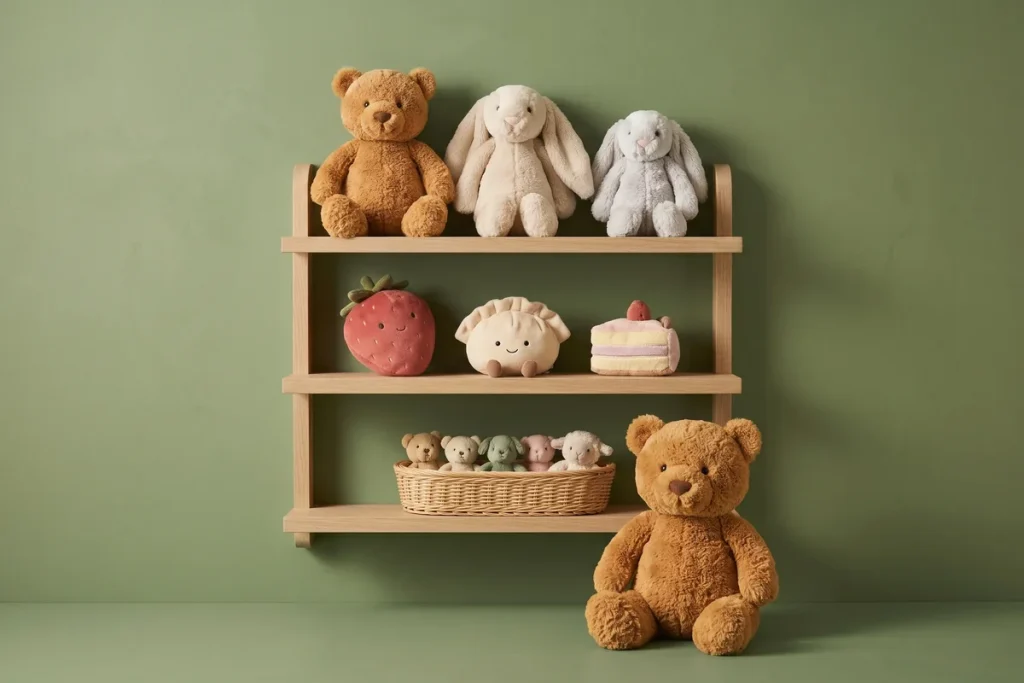
Make the most of limited shelf space
For smaller stores, display space is a major consideration. Use shelves, baskets, or tiered displays to show different plush sizes without crowding the sales floor. Avoid stacking products so tightly that customers cannot see individual designs. If oversized plush toys are part of your assortment, consider using one as a display feature while storing additional inventory elsewhere.
How much stuffed animal inventory should you buy?
Buying wholesale stuffed animals requires balancing product variety with available inventory space and purchasing costs. Ordering too many designs can spread your budget across products that may not sell consistently. Ordering too few may make it difficult to understand which styles your customers prefer.
Start with a focused assortment
For a new plush category, begin with a selection of familiar designs and a smaller number of novelty products. For example, a gift shop might test teddy bears, bunnies, mini animal plush, and one food-shaped collection. The exact quantity should depend on your store’s traffic, available space, and inventory budget. There’s no universal starting quantity that works for every retailer.
Track sell-through by style
Once products are on the sales floor, track which designs customers actually purchase. A simple sell-through calculation can help:
Sell-through rate = Units sold ÷ Units available for sale × 100
For example, imagine a retailer tests four plush categories over the same period.
These figures are illustrative and do not represent actual market sales or Everful performance data.
In this example, teddy bears and mini collectible plush have the strongest sell-through rates. That information could help guide the next purchase, although retailers should also consider profit margins, seasonal demand, and how quickly inventory can be replenished.
Reorder based on demand, not just trends
A popular design isn’t necessarily the most profitable product. A plush toy might sell quickly but offer a narrow margin after shipping and other expenses. Another design might sell more slowly but generate better returns. Review sales performance alongside total purchasing costs before increasing order quantities.
Where to buy stuffed animals wholesale
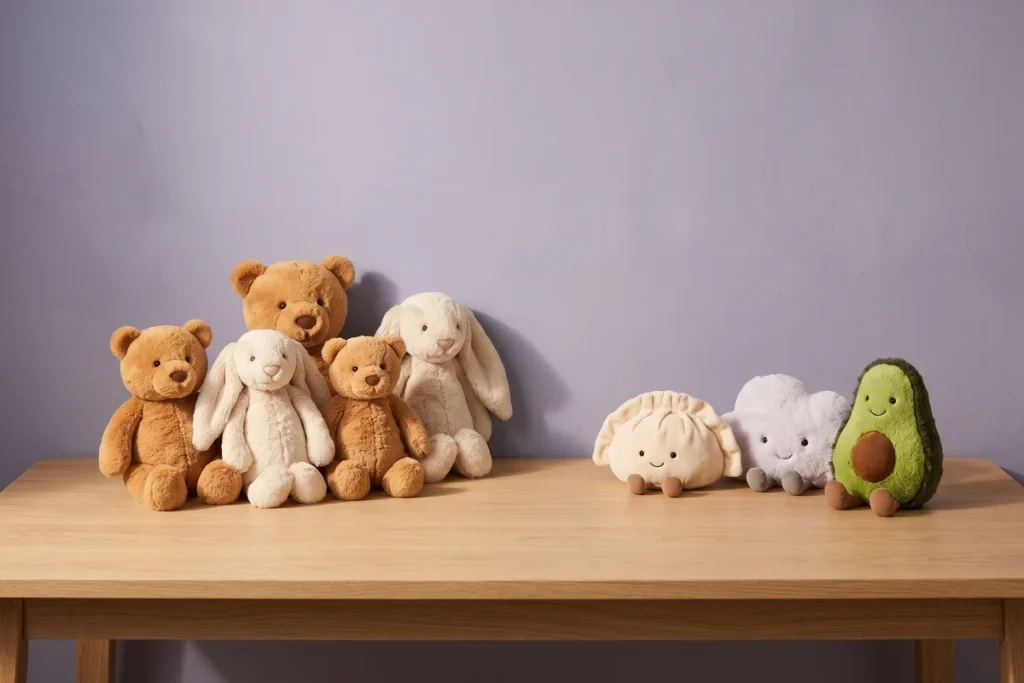
When sourcing stuffed animals wholesale, retailers should compare more than the available designs. Product quality, safety documentation, minimum order quantities, packaging, and shipping costs all influence whether a supplier is a good fit. Everful offers wholesale merchandise collections that retailers can explore when building a plush toy assortment.
Browse the available stuffed animals and plush toys to compare product styles and specifications. Retailers can also explore a broad selection of toys and hobbies for complementary merchandise. For additional purchasing guidance, review Everful’s resources on wholesale products for resellers, factory-direct sourcing, and wholesale suppliers for retailers.
Everful has no minimums, so you can test a few units of a new design before committing. Before placing an order, confirm product availability, safety information, and wholesale shipping options. The best plush assortment gives your customers appealing choices while keeping inventory manageable and profitable, and that rarely means carrying the most products.
Common questions about popular stuffed animals
What are the most popular stuffed animals?
Common stuffed animal categories include teddy bears, bunnies, dogs, cats, expressive character plush, food-shaped toys, and miniature collectibles. Actual popularity varies by customer group, season, and retail market.
Are teddy bears still popular?
Teddy bears remain a familiar stuffed animal design used for many gifting occasions. Their traditional appearance makes them worth considering as part of a core plush assortment.
What types of plush toys are trending in 2026?
Food-shaped plush, expressive characters, miniature collectibles, and novelty animal designs are styles retailers may want to evaluate in 2026. Specific sales trends should be verified using current market and store-level data.
How do retailers choose stuffed animals wholesale?
Retailers should compare product designs, materials, stitching, safety documentation, dimensions, minimum order quantities, and total purchasing costs. Starting with a focused assortment can help identify customer preferences.
How should stuffed animals be displayed in stores?
Group plush toys by theme, size, or gifting occasion. Use shelves, baskets, and coordinated displays to make products easy to browse, with clear pricing and enough space to show individual designs.
How many stuffed animals should a retailer stock?
There is no universal starting quantity. Retailers should consider store traffic, display space, customer preferences, minimum order requirements, and budget. Test a manageable assortment and use sell-through data to guide reorders.