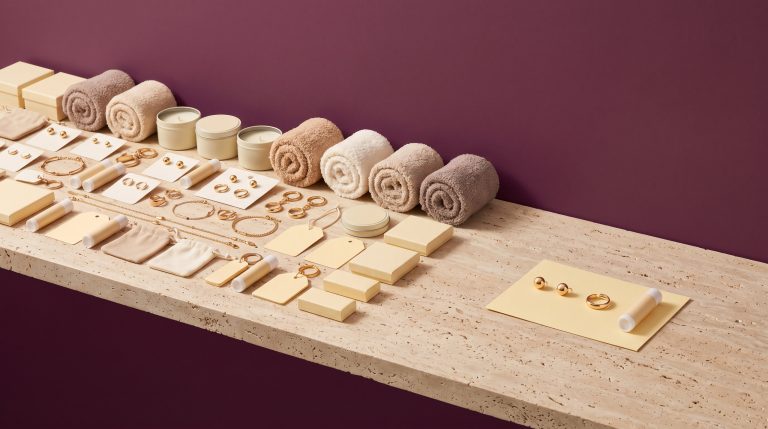
Wholesale suppliers with no minimum order:
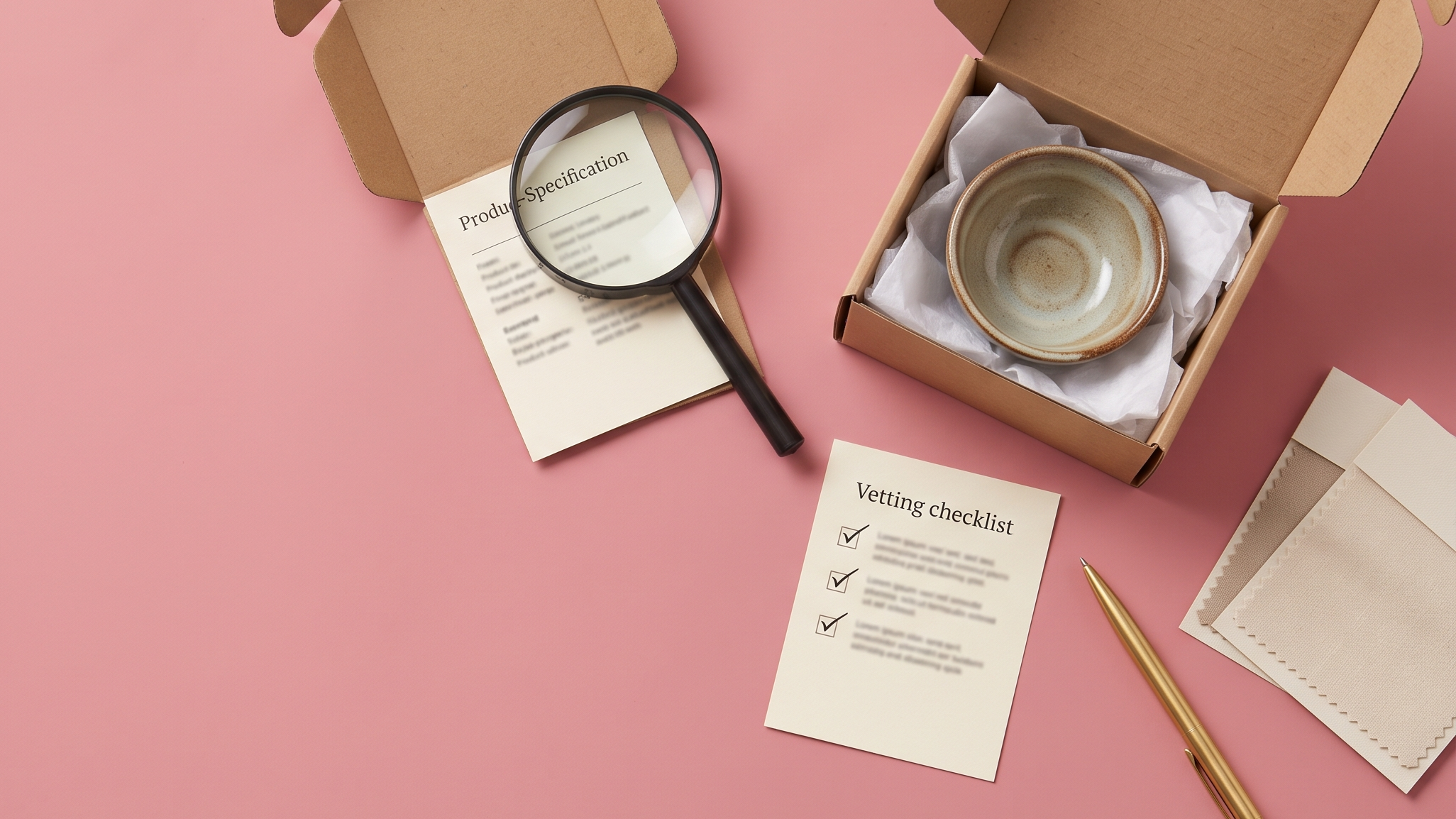
Any supplier can promise a low minimum. Far fewer can tell you who inspects your order, where the goods come from, and who answers when it arrives wrong.
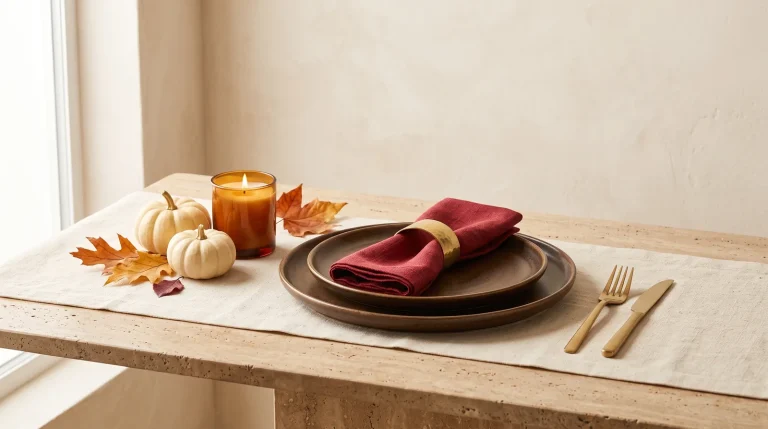
Christmas decor is bought on feeling and sold on curation. Shoppers who already own a box of ornaments still buy more, and they buy the pieces that look like nothing they own. Here is what to stock across classic, modern and tabletop decor, how to judge a piece on materials, stitching and weight before you commit, what survives a long freight journey, and how to build depth across price points so the assortment sells through instead of sitting in a January stockroom.
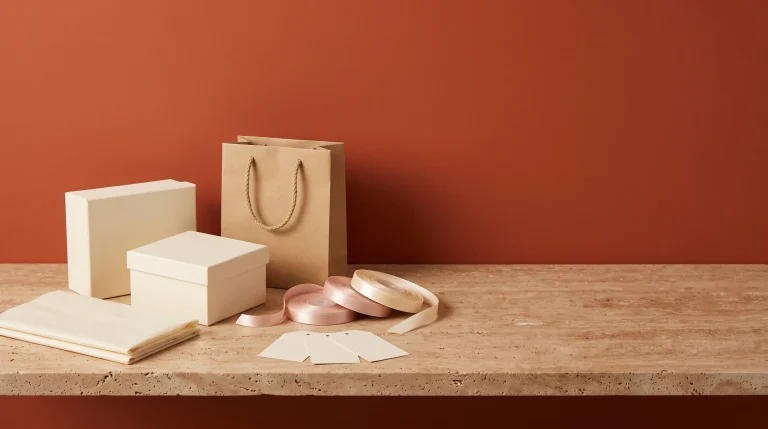
Packaging is the one Q4 category most retailers source last and sell hardest. It sits at the register when the buying decision is already made, it makes everything around it look more expensive, and it is the difference between selling a bracelet and selling a bracelet in a box. Here is what to stock across bags, boxes, pouches, tags and ribbons, how to judge a sample in under a minute, how to build depth across price tiers, and how to merchandise the lot so it sells itself.
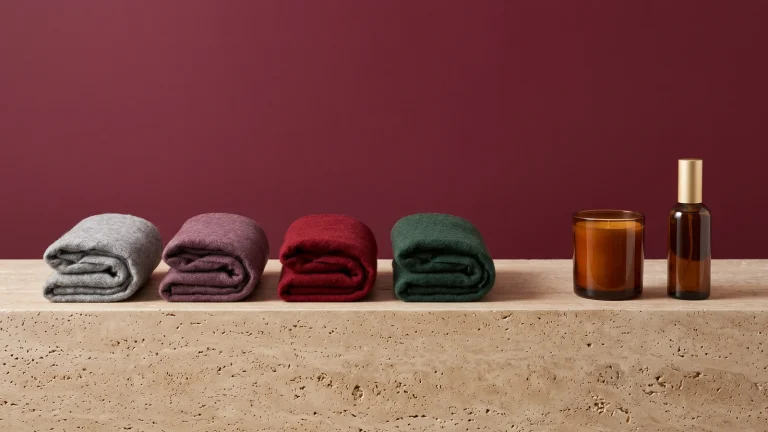
Winter retail is the most predictable season on the calendar and the hardest one to buy for. The categories barely move year to year; the products inside them turn over completely. Here is what the demand data actually says about how winter shoppers behave, which trend signals are worth reading right now across apparel, accessories, home, gifting, and seasonal decor, and how to build an assortment that covers both the proven and the new.
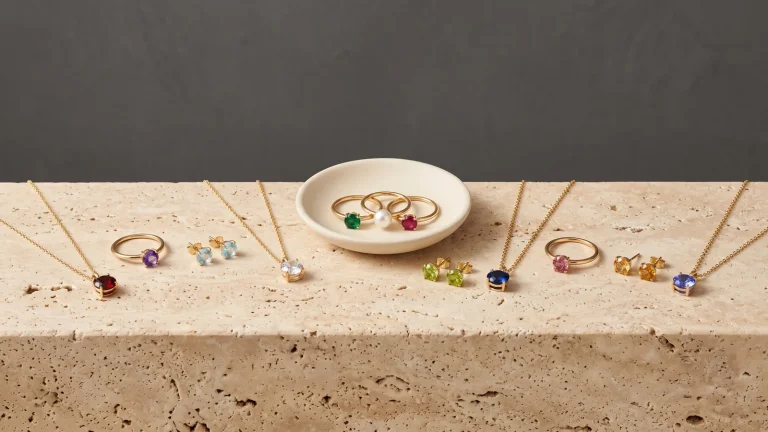
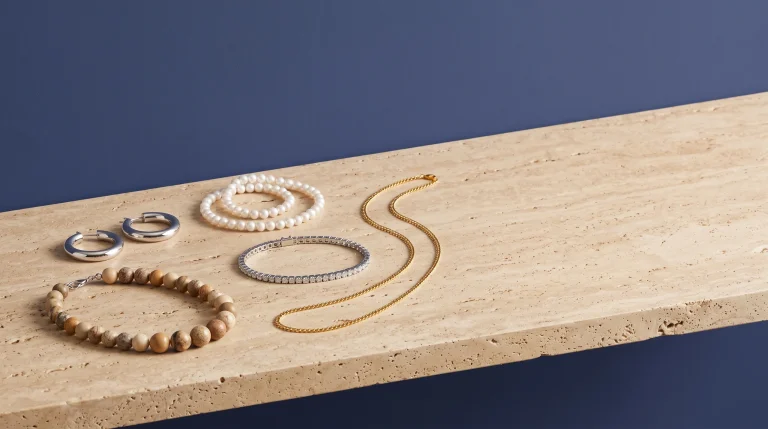
December does more for a jewelry counter than any other month of the year, and 2026 is rewarding retailers who stock deliberately rather than broadly. Here is what is moving across party pieces, everyday layering, cold-weather accessories, and gift-ready formats, what the price-up units-down data means for how you build depth, and how to test a trend without committing a season’s budget to it.
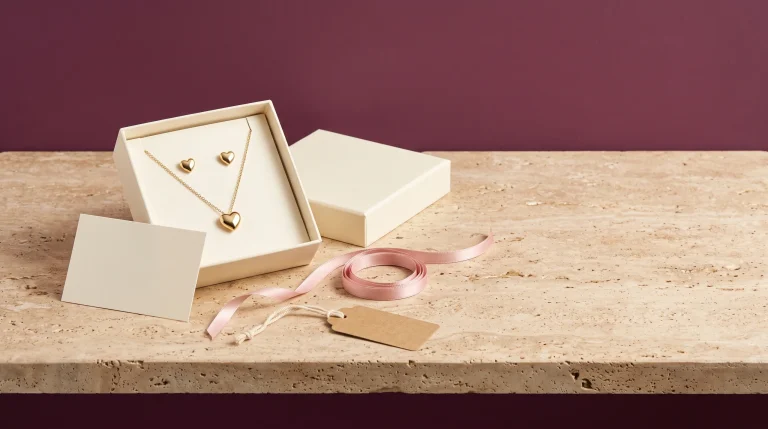
Valentine’s Day is one of the few gifting moments where a small boutique can outsell a big-box retailer, because shoppers are not hunting for the cheapest option. Here is what actually sells, how to build an assortment around a single strong jewelry story rather than a scattered hundred SKUs, and when to place the order so the stock is on the shelf before traffic builds in January.
A branded box does more work than the gift inside it. Custom-branded gift sets let retailers put their own name on products they already stock, and they are the format corporate buyers reach for first at year end. Here is how branding actually works across cards, boxes, pouches, tags, and engraving, what it does to a holiday production calendar, and how to order one set to test an idea or a thousand for a corporate run, with no order floor in the way.
Two-thirds of holiday shoppers still have a significant amount of buying left after Thanksgiving weekend, and most of what closes that gap is small. Stocking stuffers are the lightest, highest-turn category in a seasonal assortment: light to land, easy to test, and built for the moment a shopper is already at the register. Here is what to stock across jewelry, accessories, beauty, and cozy essentials, how to build depth across price tiers, and how to merchandise it all at the point of sale.
Wholesale does not have to mean committing to 500 of something you have never sold. MOQ, or minimum order quantity, is the smallest order a supplier will accept, and it decides how much of your budget goes into a style before you know whether it sells. Here is why suppliers set minimums, how they work in jewelry, what a high MOQ does to a small retailer’s cash and assortment, and what changes when a supplier has none.
A branded jewelry line used to mean designing from scratch. Private label puts your name on quality pieces from vetted factories instead: you choose from a manufacturer’s catalog, add your logo and packaging, and launch something that is yours. Here is how private label jewelry works, how it differs from white label and custom, and the six steps to sourcing it.