Wholesale Christmas decorations: a retailer sourcing guide
Christmas decor is bought on feeling and sold on curation. Shoppers who already own a box of ornaments still buy more, and they buy the pieces that look like nothing they own. Here is what to stock, how to judge it before you commit, and what survives the freight journey to your shelf.
Key takeaways
- Build the assortment on classics first. Ornaments, wreaths, stockings and lights carry the least trend risk and sell every year.
- Then buy for the shopper who wants something new. Natural minimalism, ’90s nostalgia with brass accents, and pastel whimsy are the three looks worth testing this season.
- Judge a piece on materials, stitching and weight. A resin figurine that feels hollow in the hand will read as hollow on a shelf.
- Ship-safe beats fragile. Shatterproof ornaments in plastic, acrylic or resin give you the glass look without the freight losses, and compact packaging is half the protection.
- Build depth across price points. Entry pieces deep, mid pieces deep enough to reorder, one premium piece thin to lift the basket and make the mid tier look sensible.
- Everful is factory-direct with no minimums, so a new decor category costs a few units to test. Set the wider calendar with holiday inventory planning.
When sourced strategically, Christmas decorations can deliver strong profit margins during the holiday season. However, you’ll need to plan your decor assortment carefully so you’re not left with overstock in January.
Here’s your complete holiday decor sourcing guide for 2026: what to stock, how to find quality products, and how to plan your order strategically.
Why Christmas decor is a high-margin holiday category
Many people love the tradition of decorating their homes during the Christmas season, so it’s no surprise that seasonal decor is a top-selling product category.
Christmas decor has sentimental value for many shoppers. They associate these decor pieces with warm, festive holiday memories, such as celebrating with their loved ones. Because Christmas decor is closely tied to these positive memories, shoppers tend to view buying new decorations as a yearly tradition.
Many consumers shop for new Christmas decor even when they don’t need it, which often leads to impulse purchases. In 2023, a survey of 2,051 US adults conducted by The Harris Poll for YNAB found that 68% of Americans say they are more tempted to spend impulsively during the holiday season.
Because of these spending patterns, Christmas decor can be very lucrative for retailers, but it’s all about stocking the right products.
What to stock: the core Christmas decor assortment
For retailers, the key to a successful holiday season is building an assortment of holiday decor that resonates with your audience. Your assortment is the range of products you choose to stock.
When planning your assortment, look for a mix of classic holiday staples and trending new items. Some shoppers prefer nostalgic favorites, while others like experimenting with new home decor trends. This approach ensures your shop has something for everyone.
Here’s what to stock for your retail business this year.
Classic holiday decor that sells every year
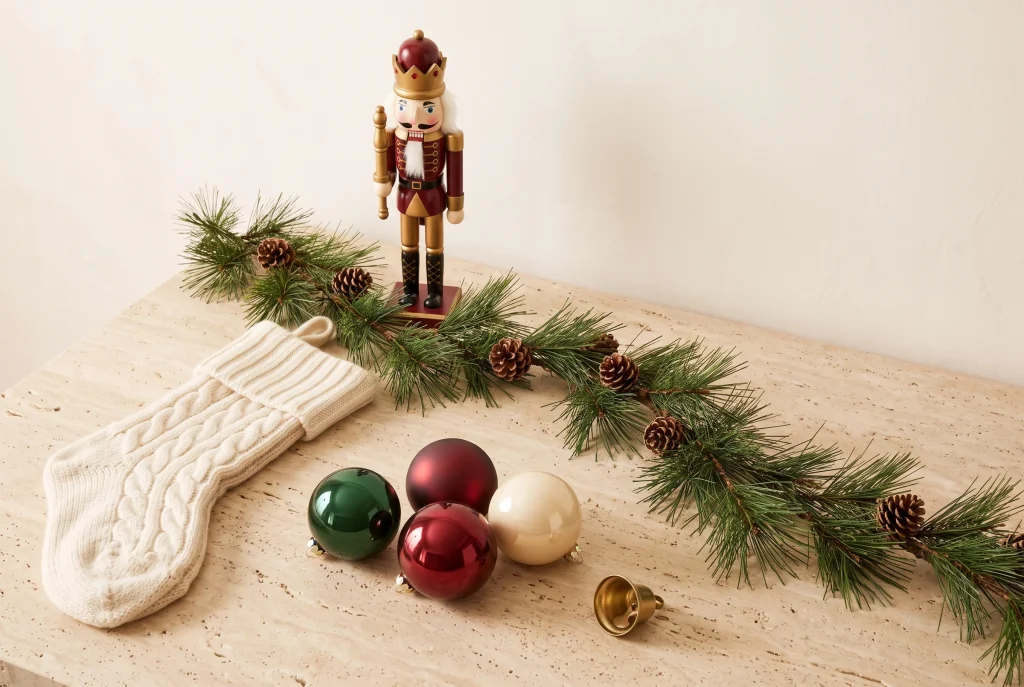
Holiday classics should be at the core of your seasonal decor assortment. Must-have items include:
- Christmas trees
- Wreaths
- Garlands
- Ornaments
- Tree toppers
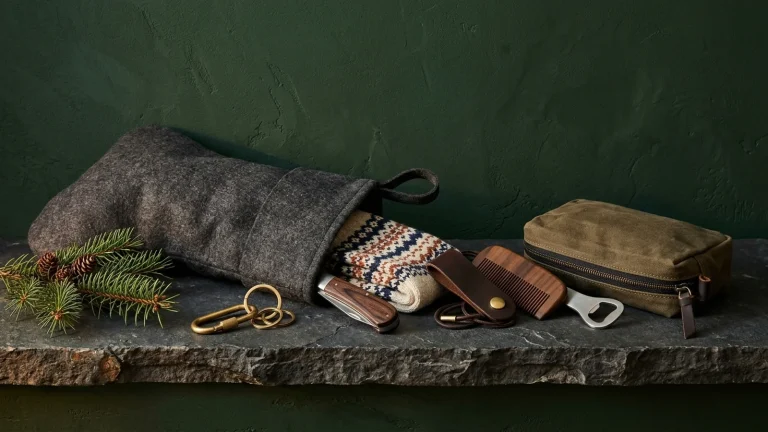
- Stockings
- Lights
- Snow globes
- Figurines
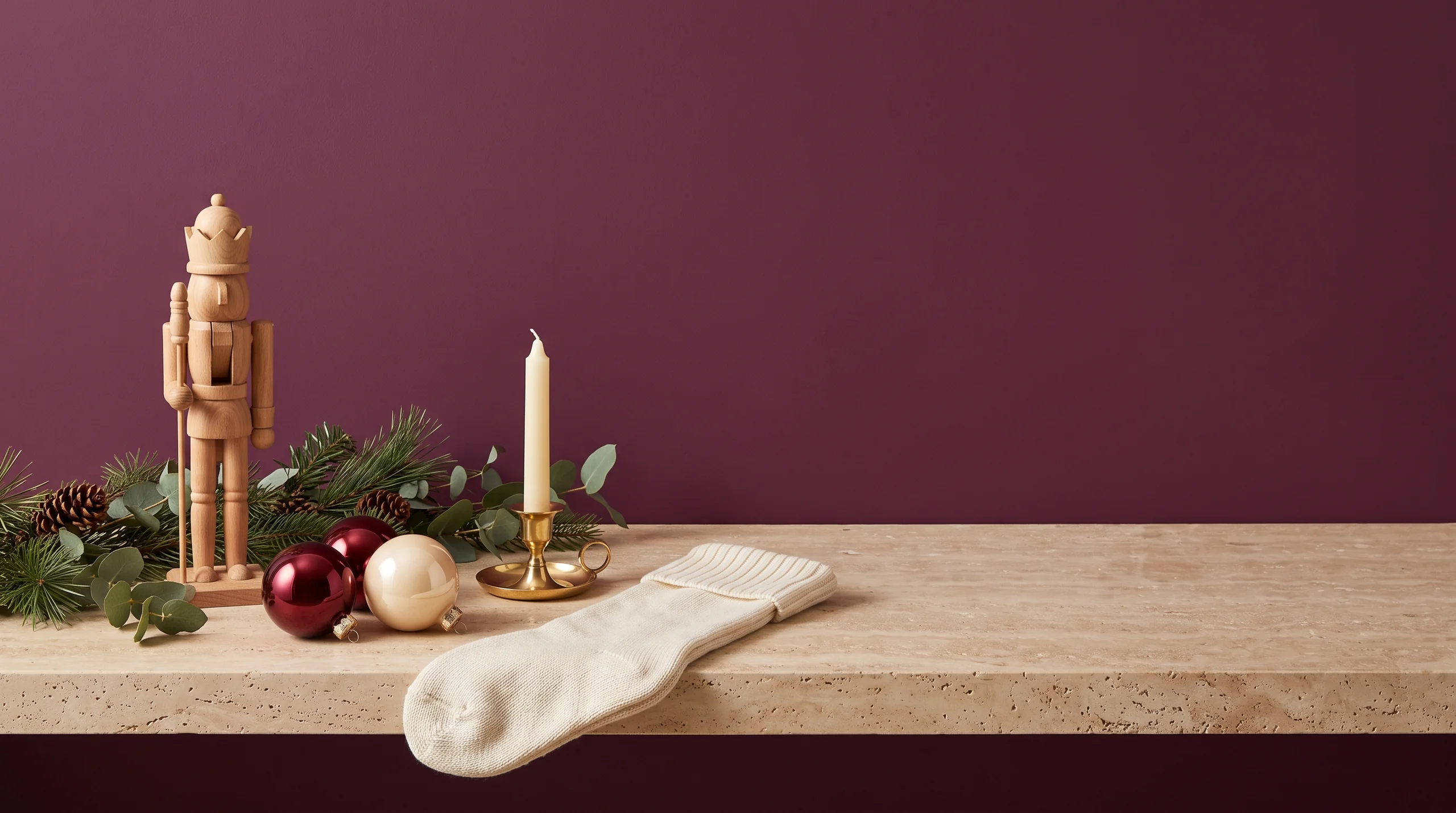
These items often feature a warm, cozy color scheme with plenty of deep greens and reds. Classic holiday characters also evoke plenty of nostalgia, so look for items that feature Santa, reindeer, nutcrackers, snowmen, and gingerbread.
Modern and minimalist decor trends
Some shoppers prefer a sleek, modern look for their Christmas decor, rather than using classic or traditional items.
Here are some exciting holiday decor trends to incorporate into your Christmas retail buying strategy:
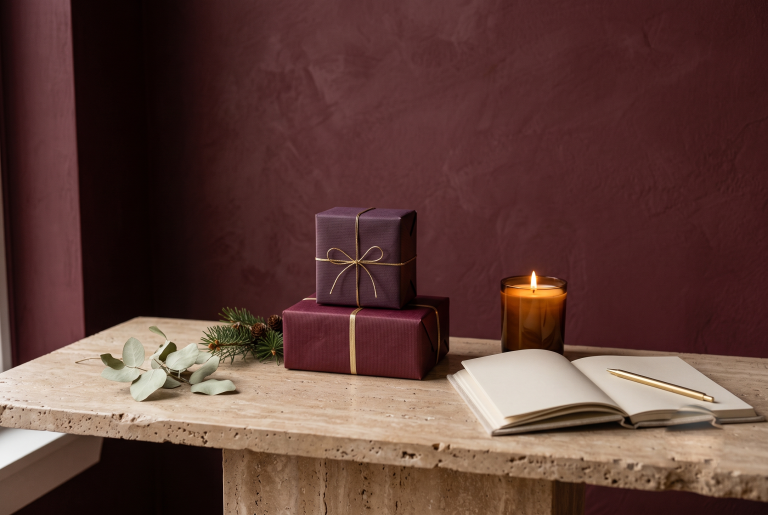
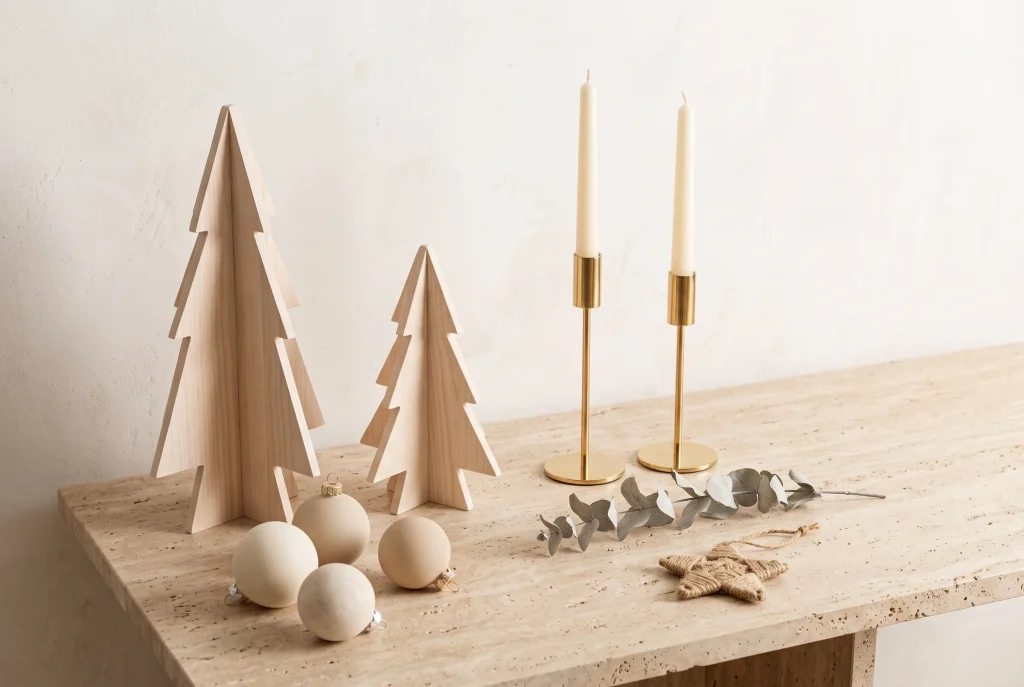
- Natural minimalism: This trend focuses on colors found in nature, such as deep greens, beiges, and cream, and takes inspiration from Scandinavian style. Look for ornaments, figurines, and other Christmas accessories in natural textures and finishes like wood and stone.
- ’90s nostalgia: ’90s interiors have been trending this year, and the trend is expected to carry over into seasonal decor. Cozy plaid fabrics, glass baubles, and tinsel are all fun hallmarks of this era. For an on-trend finishing touch, look for pieces with warm brass accents.
- Whimsical Christmas: In 2026, many shoppers have been incorporating more whimsy into their lives, and this trend is expected to continue into the Christmas season. Instead of traditional reds and greens, this decor trend uses pastel hues like baby pink, butter yellow, and ice blue, plus plenty of sparkle and shine.
Tabletop and dining decor for holiday hosting
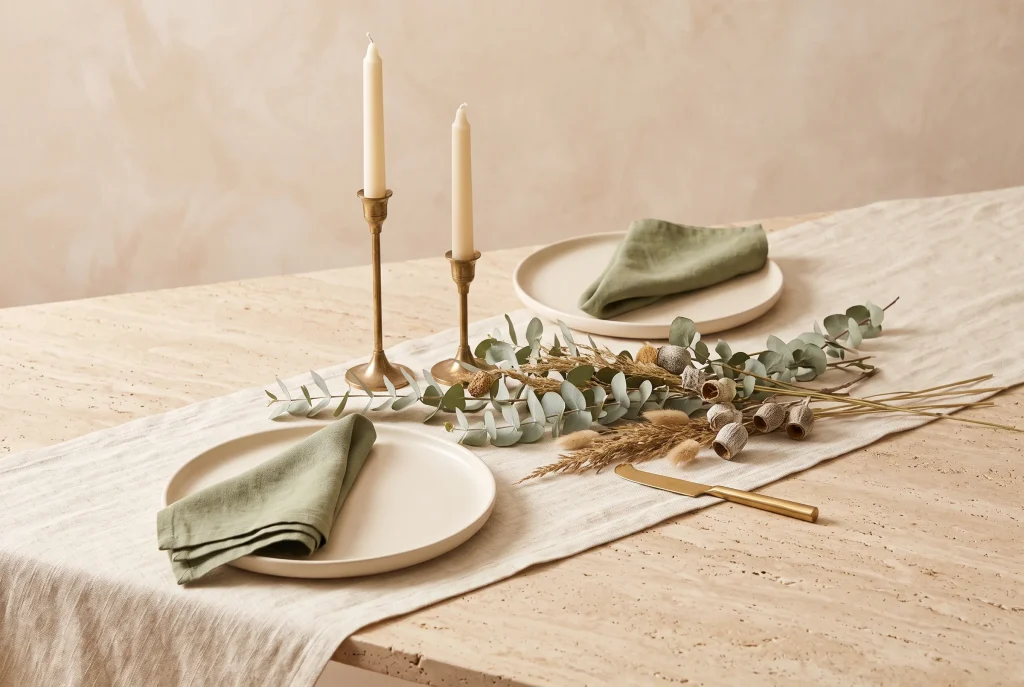
Holiday tabletop decor is always a top seller as shoppers start planning their Christmas dinners and New Year’s parties.
If you want your brand to appeal to the sophisticated holiday host, try stocking these festive items:
- Table runners
- Placemats and cloth napkins
- Candles and candle holders
- Plates, bowls, and cutlery
- Faux greenery or floral arrangements
- Holiday figurines
- Gingerbread houses
How to evaluate decor quality, materials, and durability
When buying Christmas decor wholesale, be sure to evaluate product quality before committing. Durable products that last for multiple seasons can command higher profit margins.
To evaluate the quality of a decor product, start by looking at the materials. Shatterproof and weatherproof plastics work well for reusable or outdoor decor. Woods, metals, and even glass can all provide a luxury look, but may be less durable, so look for products with long-lasting, protective finishes.
Weight is the fastest signal you have on a sample. A resin figurine that feels hollow in the hand will read as hollow on a shelf, and a tree skirt that weighs nothing is thin fabric with a print on it. Heft is not always better, since shipping cost tracks weight, but a piece that feels substantially lighter than it looks is usually built down to a price.
For fabric items, look at the quality of the stitching and the specific fabric composition. Thick cotton, canvas, and wired velvet all work well for reusable holiday decor.
Shipping-friendly decor: what survives freight and arrives shelf-ready
One of the biggest challenges of Christmas retail buying is choosing products that won’t break in transit. When planning your assortment, consider which products can survive a long freight journey to avoid losses.
Shatterproof and lightweight decor for safe shipping
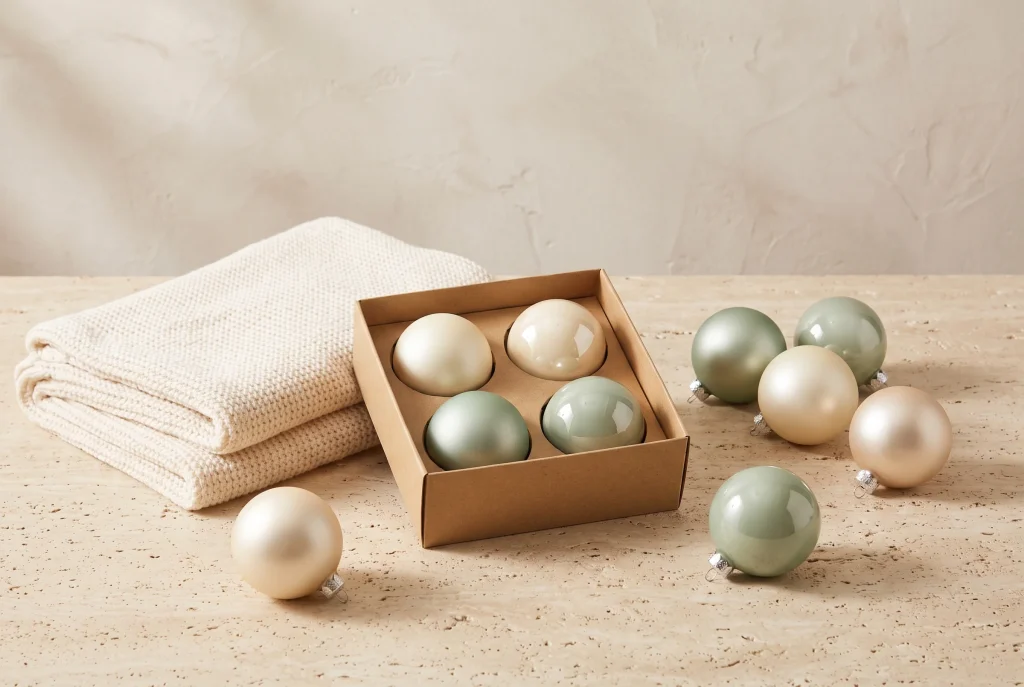
When selecting Christmas decor items, look for items made with lightweight, shatterproof materials. Shatterproof decor is designed to withstand shipping and handling. This is particularly important when selecting delicate ornaments and figurines.
Shatterproof ornaments look like traditional glass, but are made from more durable plastic, acrylic, or resin. They’re a low-risk way to get a classic Christmas look.
Additionally, consider how the product packaging affects durability. Compact packaging prevents products from moving around in transit, which reduces the risk of breakage.
How to plan your Christmas decor buy: timing, testing, and depth
Before you purchase your brand’s Christmas decor, you’ll need to do some holiday inventory planning. This starts by looking at sales volume from last Christmas, then assessing current trends to predict how much of each product you’ll need.
Ideally, you should start placing your orders in late summer or early fall. This allows plenty of extra time for holiday shipping. Keep in mind that some customers will start buying Christmas decor before the holiday starts, so the earlier you can get your products, the better. Placing your orders early also gives you time to test new product categories and restock top sellers before the season is over.
Depth is the other half of the buy, and it means building across price points rather than picking one tier. An entry piece, an ornament or a small figurine, is what a shopper adds without thinking and what moves in volume through December. A mid piece, a wreath or a set of stockings, is where most of your margin sits. One genuinely premium piece, a large tree or a statement centerpiece, does two jobs: it lifts the average basket for the few shoppers who buy it, and it makes the mid piece look like the sensible choice for everyone else. Buy the entry tier deep, the mid tier deep enough to reorder, and the premium tier thin.
Once your products arrive, you’ll need to merchandise them thoughtfully. Merchandising is the process of displaying products so they drive more sales.
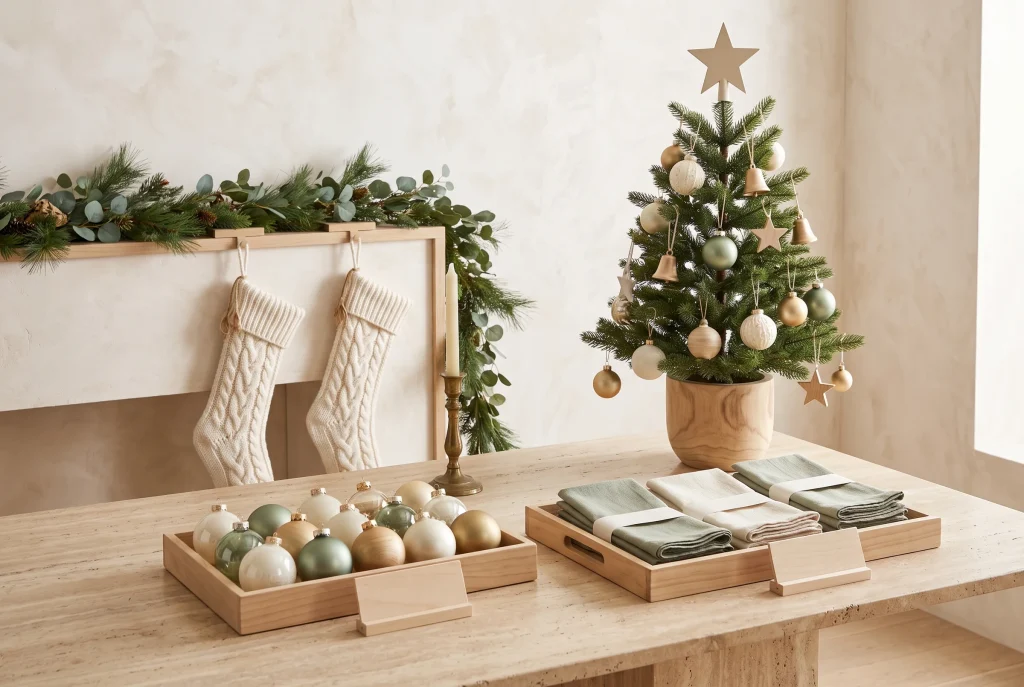
If you run a brick-and-mortar store, consider setting up decor displays that help shoppers picture the pieces in their home. For example, you can display ornaments, lights, tree toppers, and tree skirts on a real tree with presents underneath. You can also build cozy mantle or tabletop displays so shoppers can see pieces styled together.
On top of that, consider placing your Christmas decor near gift sets and other holiday items. Having all your holiday items in one place makes for a better shopping experience, plus it encourages impulse purchases.
How Everful supports seasonal sourcing with no minimums
Everful is factory-direct with no minimums for product orders. That means you can order one unit or a thousand with no order floor and choose the quantity that works best for your business.
How to test new decor categories with no minimums
If you’re interested in trying a new holiday decor product, but aren’t sure how it’s going to perform, you can te
Common questions about sourcing wholesale Christmas decorations
What Christmas decor categories should retailers stock first?
Classic pieces like shatterproof ornaments, wreaths, stockings, and lights are top sellers that retailers should stock early. They carry the least trend risk, because a shopper who is replacing or adding to what they already own buys these first. Build the rest of the assortment around that core once it is secured.
How can retailers evaluate the quality of wholesale Christmas decorations?
To determine whether a wholesale Christmas item is high-quality, look at the materials used, the product’s weight, and the quality of the construction. Shatterproof plastics, acrylic, and resin hold up to reuse, while woods, metals, and glass read as more premium but need a protective finish to last. On fabric items, check the stitching and the fabric composition, since thick cotton, canvas, and wired velvet all survive multiple seasons.
What decor ships well and arrives shelf-ready?
Lightweight, shatterproof pieces travel best, which is why shatterproof ornaments in plastic, acrylic, or resin are worth prioritizing over traditional glass. Textiles like stockings, tree skirts, and pillow covers also ship well because they cannot break. Check the product packaging as well as the product, since compact packaging stops items moving in transit and is what reduces breakage on a long freight journey.
How early should retailers order Christmas decor?
Retailers should place Christmas decor orders in the summer and early fall to allow time for shipping and merchandising. Ordering early also buys you a second window, because it leaves time to test a new category, read the sell-through, and reorder the pieces that moved before the season ends.
How can retailers test new decor categories without overcommitting?
Retailers can test new decor categories with Everful’s no-minimums ordering. With Everful, you can order one unit, a thousand, or whatever quantity you need, with no order floor. That turns a new category from a committed buy into a small test you can read on real sell-through before putting volume behind it.