Seasonal shift: products gaining search volume as summer ends
Search volume moves weeks before sales do, which makes the end of summer the window to read what fall wants. Here is how to tell a real seasonal shift from a weather blip, how far ahead of the purchase the signal runs, and how to turn that read into assortment depth before the season confirms it for you.
Key takeaways
- Search-intent spikes in late summer reveal early-fall demand weeks before sales data catches up.
- A real seasonal shift builds slowly and repeats year after year. A spike that jumps and drops inside a few weeks is weather or a back-to-school fad.
- Swym put the median time from discovery to purchase at 41 days on 2025 ecommerce data, which is the gap you are buying into.
- Apparel, accessories, home decor, fragrance and gifting all move first, and each rise tells you something about timing rather than just what to stock.
- Match depth to confidence: a signal you trust earns a real buy, a signal you are still reading earns a small test order in autumn trends.
- No minimums mean you can test a new fall category without carrying overstock risk, then restock at depth when it lands.
Online search data is one of the most useful tools a retailer has. It tells you which keywords your audience is searching for and when those keywords start to climb.
Trending keywords give you a look at your customers’ mindset before they start shopping. Watch search data through the summer and you can read what is coming for fall, then plan your inventory so the items are on the shelf right when demand spikes.
Here is how to use search trends to plan your seasonal transition strategy. The seasonal transition is the shift in consumer demand from summer to fall. We will cover how buyer behavior changes, how to read a search volume spike, and how to turn summer data into fall sales.
How consumer behavior changes as summer ends
Consumer behavior shifts along with the seasons. As temperatures start to drop, shoppers come out of summer vacation mode and spend more time indoors, and their spending moves with them.
Through the summer, much of that money goes to experiences rather than things. In a 2026 survey of 2,000 Americans commissioned by DailyPay and conducted by Talker Research, 50% said they spend the most money on socializing during the summer season.
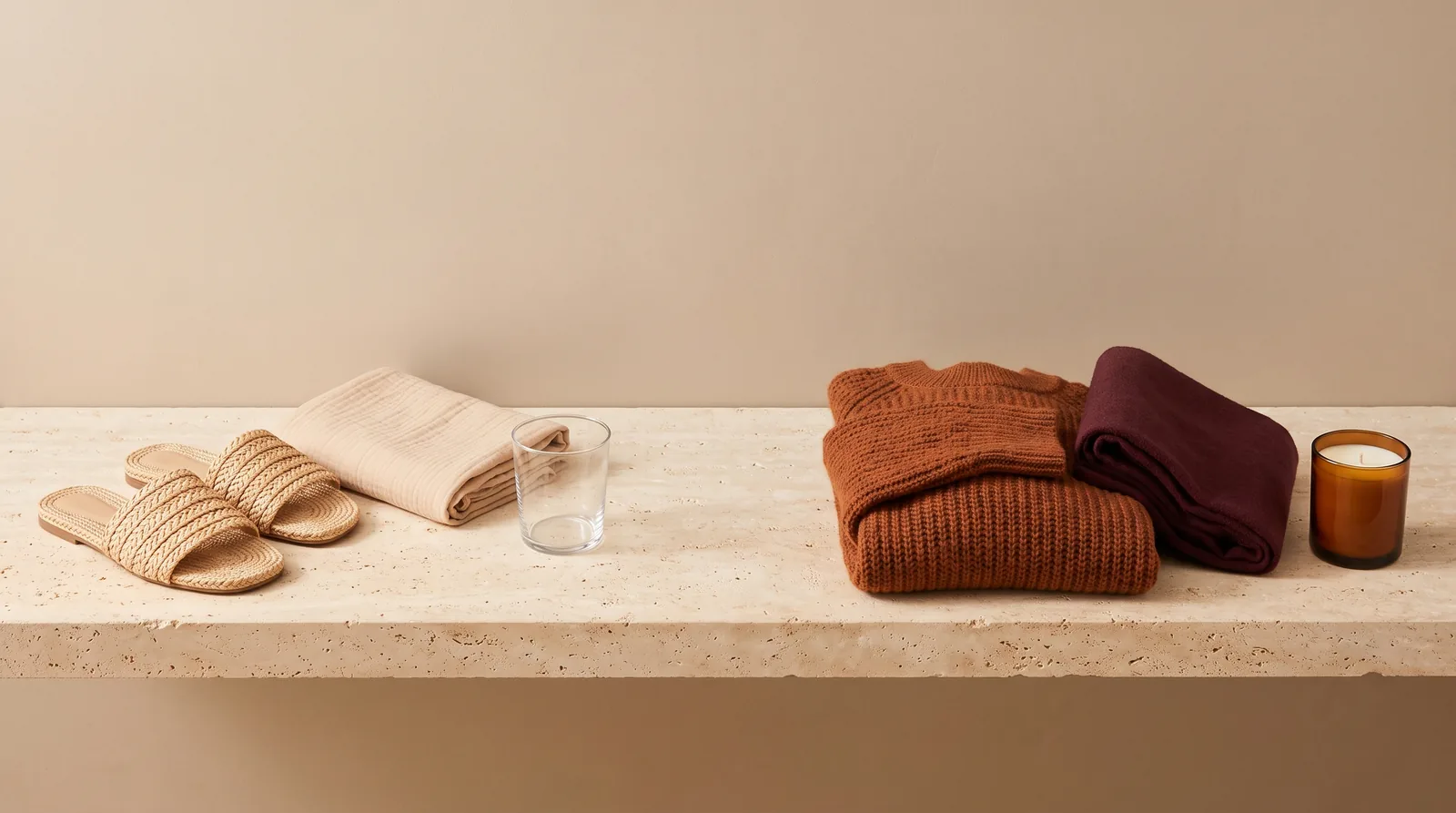
As fall approaches, that reverses. People are home more, and they gravitate toward home decor and loungewear, the things that make a space feel cozy.
Some shoppers are also adjusting their budgets for back to school. PwC’s 2026 survey found parents expect to spend an average of $922 on back-to-school shopping this year.
Others put their energy into the holidays. The National Retail Federation found that 49% of consumers said they would start shopping for Halloween before October in 2025.
How to read a seasonal search-intent signal
Search-intent spikes in late summer reveal early-fall demand weeks before sales data catches up. Search intent is what consumers are actively looking for online, and it moves before the money does.
Search data on its own will not tell you whether a trend has staying power or is a passing fad. Pairing it with other indicators, social activity in particular, gives you the context to make the call.
Here is how to turn search data into fall consumer insights.
Telling a real shift from a weather blip or a back-to-school spike
Start with several years of keyword history.
A sharp recent spike on a keyword with nothing behind it usually means short-lived interest, and that is doubly true if volume is already falling off. Spikes like that tend to come from a sudden turn in the weather or a back-to-school fad.
A keyword that has been climbing steadily over several months is the better bet. Some terms rise and fall with every transitional period, year after year, and that repeat pattern is the one worth buying against.
Then go to social media and see what people are posting. Social gives you the context for why something is trending, and the why is what tells you whether it holds.
The lag between a search rising and a sale landing
Search volume usually rises weeks before sales do. Some shoppers buy into a trend the moment they see it. Most take time to research the product and decide whether it is right for them.
Swym’s report on 2025 ecommerce data put the median time from discovery to purchase at 41 days, and the number moves a long way by category. Across the 15 categories measured, consumer electronics ran the shortest cycle and pets and animals the longest. Fashion sat at the median.
The reasons behind the delay are ordinary. A shopper on a tight budget waits for the next paycheck or a sale. Another wants to research the product before committing. And when the item is seasonal, plenty of people wait for the weather: someone who picked out a jacket in August may not buy it until it is cold enough to wear.
Those timelines are what make fall and holiday inventory planning work. When search volume for a product climbs through late summer and early fall, that is the window to stock it, with time left for shipping and merchandising before demand peaks.

What the shift looks like across categories
The shift turns up across a range of categories. Exact autumn trends change from year to year, but the behavior underneath does not: shoppers want something new for a new season, and it shows in the search data before it shows in the sales.
Apparel and accessories gaining early-fall search volume
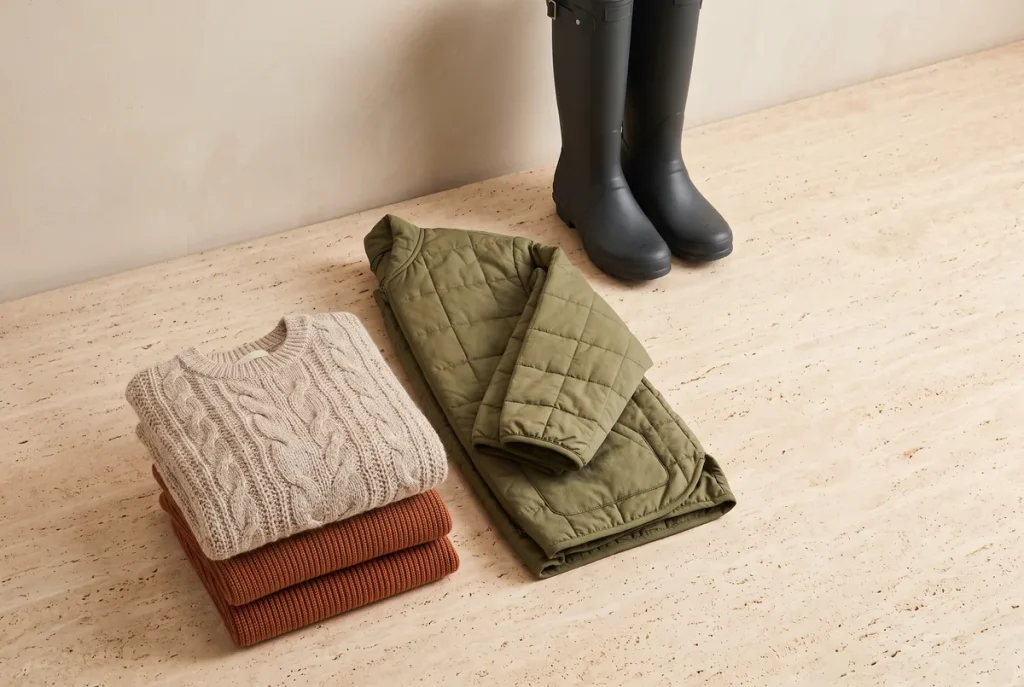
Many shoppers start planning clothing purchases in summer, particularly women’s clothing staples like jackets, rain boots, and sweaters. Search volume on those terms can start climbing as early as mid-July.
Buying early means being ready the day the weather turns, with sizes and styles still in stock. For a buyer, a July climb on sweater terms is the cue to start sourcing, not something to confirm against September sell-through.
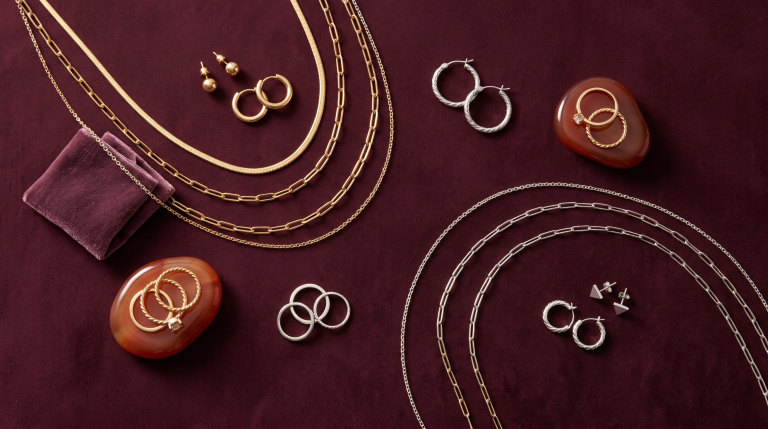
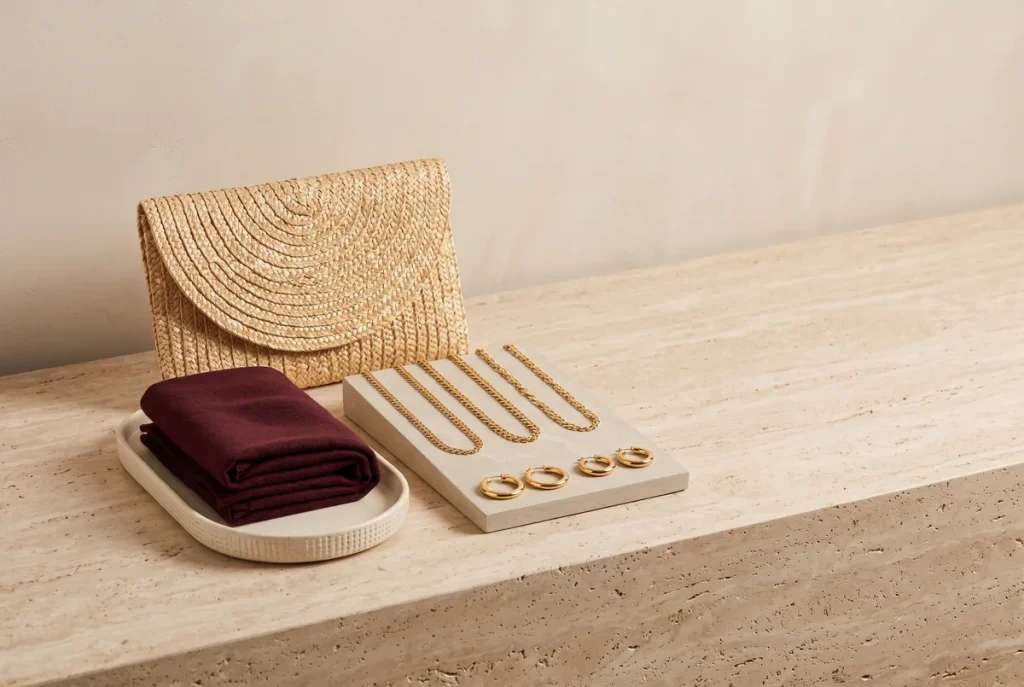
Fall accessories like scarves, bags, and jewelry move in the same stretch. After months of heat, shoppers are ready to layer and refresh a wardrobe.
Home decor and fragrance rising in late-summer searches
Cooler weather means more time at home and less time outside, which sends people looking for new home decor to warm up a space.
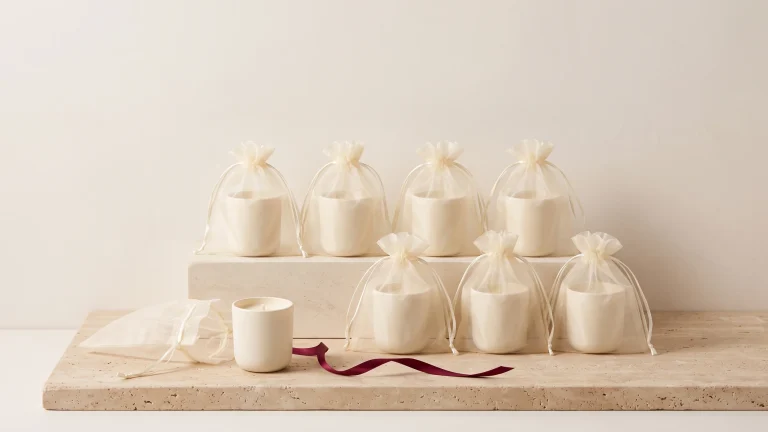
Watch for spikes on classic fall items: blankets, pillows, seasonal wall hangings, Halloween decor. Fragrance follows, candles and diffusers especially, weighted toward woodsy and gourmand scents.
Late summer and early fall are also peak moving season, particularly for college students and other young adults. Some of that decor and fragrance volume is people furnishing a new place rather than refreshing an old one, which is worth knowing when you read the spike.
Early-fall gifting and small-format items
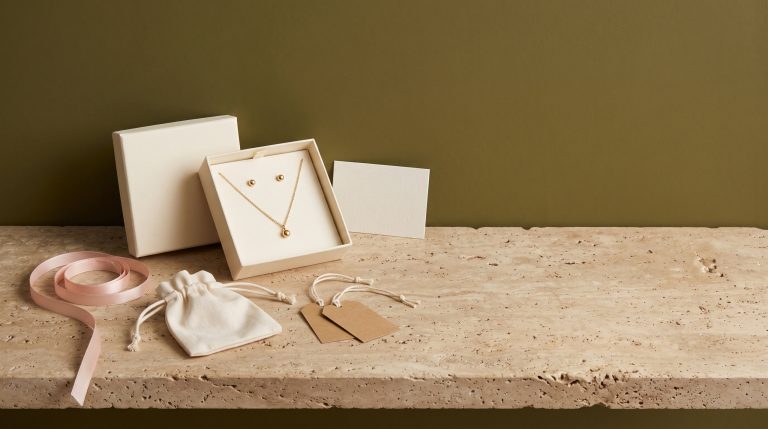
The winter holidays are still months out, but gifting searches start early. Watch for holiday gift ideas climbing through the summer.
A 2025 Bankrate survey of just under 2,600 shoppers found 49% of holiday shoppers plan to start buying gifts before Halloween, spreading the budget over several months and catching sales along the way. The searching behind that behavior runs earlier still, which is what puts small giftable items in the early-fall buy rather than the Q4 one.

Turning search signals into assortment depth
Once the spikes are showing, the work is turning them into a buy. Your assortment is the range of products you choose to stock at any given time, and depth is how much of each one you commit to. A signal you trust earns depth. A signal you are still reading earns a test.
Look for items that line up with the terms that are climbing. If a shade is trending, burgundy or royal purple, you can carry it across clothing, accessories, and home decor instead of betting the read on one category. That spreads the trend across your floor without putting the whole order behind a single product.
On a trend that is new to you, start with a small order and watch how it performs through early fall. If it sells out quickly, place a larger order and restock before the winter holidays.
Balance the new against the reliable. If you are testing unusual metal shades or finishes in your jewelry assortment, keep simple silver and gold pieces in stock alongside them. The test tells you something either way, and the classics hold the category up while you find out.
How Everful supports early-fall sourcing with no minimums
Everful has no minimums on any order. No minimums means no order floor: order one item, a thousand, or whatever the data says the trend is worth.
That is what makes testing cheap. You can try a new fall trend without carrying the overstock risk that usually comes with it: put a small order behind it, see how your shoppers respond, and restock quickly when it lands.
Orders come direct from vetted factories, with Everful as one accountable source rather than a marketplace of sellers. The volume run comes from the same place as the test, so what sold in early fall is what arrives for the reorder.
Common questions about early-fall search trends
How do you tell a real seasonal shift from a short-term spike?
In a real seasonal shift, search volume builds slowly and steadily, and it tends to repeat in the same stretch year after year. If volume jumps hard and drops again inside a few weeks, that is a short-term spike and it is unlikely to change buying behavior for the season. Several years of keyword history is the fastest way to tell the two apart.
How early should retailers source transitional products?
Start in summer. Search volume runs weeks ahead of sales, so late-summer and early-fall sourcing leaves time for shipping and merchandising before demand peaks. Sourcing on the search signal rather than on sell-through is what gets stock on the shelf the week the weather turns, and it is the same habit behind holiday inventory planning.
How can retailers test new early-fall categories without overcommitting?
Use a wholesale supplier with no minimums, like Everful. You can place a small order to see how your shoppers respond, then restock at depth if the trend performs. There is no order floor to clear, so a test that does not land costs very little.