How to spot a high-quality supplier: supplier vetting checklists
A supplier’s mistakes arrive at your counter with your name on them. Here is how to vet one properly, what to ask before you buy, and the red flags worth walking away from.
Key takeaways
- A high-quality supplier is defined by transparency, consistency and verifiable quality, not just low prices.
- In a March 2026 inFlow survey of 400 operations professionals, supplier reliability topped the list of inventory management challenges at 52%.
- Specific answers on lead time, landed cost and quality control separate a real partner from a broker with a catalog.
- A supplier who will not send samples, show their quality control process, or name their factories has told you what you need to know.
- Ordering with no minimums lets you test a supplier with a real order before you commit to volume.
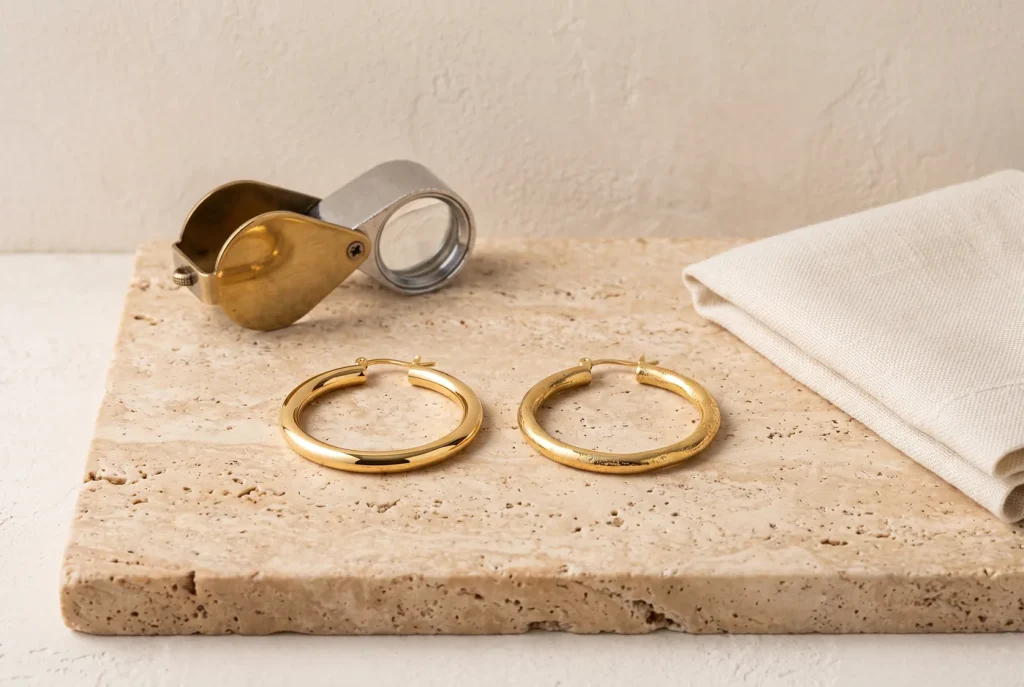
Picture this: you’re a small boutique jewelry retailer. You pick out and place an order for 100 gold-plated hoop earrings. They arrive and look good at first glance, so your employee puts them on the floor. A customer buys one, only to return it a week later because the gold is flaking off, exposing the metal underneath.
You process the return and face a problem. You’re not only out the money for that pair, but you have a customer who had a bad experience. However, the problem runs deeper than that. How many have you sold? Is it limited to just that one pair? You could face a series of refunds, poor reviews, and sitting on inventory you can’t sell. As the retailer, you know the issue is with the supplier, but you get the blowback. That is exactly why vetting a high-quality supplier is critical to your business.
Why supplier quality matters for retailers
It doesn’t matter if you’re new to buying wholesale or a veteran. The quality of your supplier and knowing how to vet suppliers directly impacts your business and is something to pay close attention to. Supplier quality shows up in your return rates, customer reviews, and your overall bottom line.
When wholesale orders show up with issues like inconsistent stitching, mismatched plating, or packaging that came apart during shipping, they quickly become your problem. You either catch it yourself as you inspect products to put out, or worse, a customer buys it and discovers the issue. Either way, you’re absorbing the cost in returns, replacements, and unsellable stock, not to mention your reputation is tarnished with that customer.
This is a problem across the board. In a March 2026 survey of 400 operations professionals, inFlow found that supplier reliability topped the list of inventory management challenges at 52%, ahead of inaccurate inventory data and warehouse space utilization. The truth is that an unreliable supplier makes you look like an unreliable retailer.
To prevent this from happening, you must vet high-quality suppliers. Here is what to look for.
What defines a high-quality supplier
A high-quality supplier is defined by transparency, consistency, and verifiable quality, not just low prices. That means they protect your margins by shipping well-inspected products on a consistent schedule. You, in turn, don’t absorb their mistakes with returns and rush orders.
Spotting one hinges on a few things. While price is the easiest thing to compare, it’s not the best signal of quality. Instead, you want to look at how, when, and how consistently they communicate. How repeatable their product quality is across multiple orders. And finally, if they can show you their quality control (QC) process, or the process of inspecting products before shipment, and not just abstractly state that it exists.
Transparency and communication signals

There are several ways to gauge how a supplier handles communication. The more communication and transparency, the better. Vague answers are almost always a red flag. For example, if you ask about lead time, or the time required to produce or prepare an order, the supplier should be able to give you an accurate answer based on the products you ordered and the size of the order, not just a generic estimate.
The same goes for if you ask about the landed cost, or the total cost once shipping, duties, and fees are included. There should be no ballpark estimate based on unit pricing. A high-quality supplier should be able to walk you through the costs associated with your specific order.
And finally, how does the supplier handle problems that come up? Do they flag an issue before you do? Or do they wait for you to discover it? These answers tell you whether a supplier will hold up as a long-term partner.
Product quality indicators
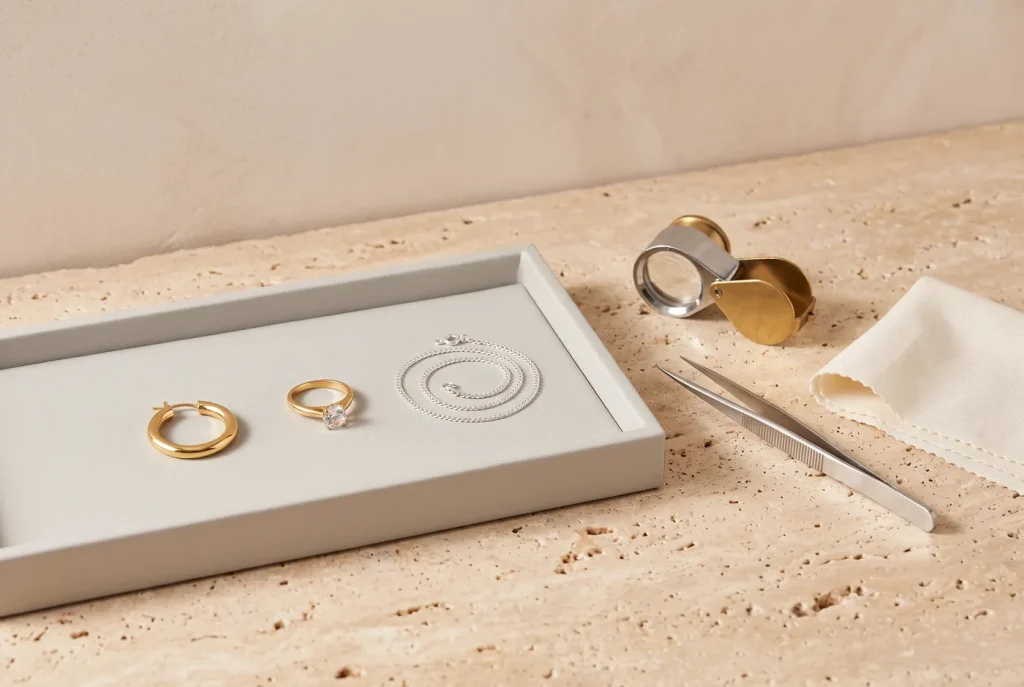
Reliable wholesale suppliers should be able to tell you their exact QC process, instead of just telling you that they check quality. Ask for specifics. They should be able to list their category-specific quality checkpoints, such as plating durability on gold-plated jewelry, stone setting, and finish consistency across a jewelry order. And they should be able to tell you their detailed process and the tolerance they check against. You can also ask for samples. Seeing a product in real life is a much better way to gauge QC for wholesale suppliers than reading a description online.
Shipping, packaging, and fulfillment reliability
Wholesale supplier quality indicators don’t end once the product is produced. You should also pay attention to how products are packaged for shipping. Does the packaging protect the products in transit? What is the supplier’s on-time fulfillment rate? Which shipping options do they offer, and how does the supplier handle orders that are inaccurate or short? All these questions will help you assess wholesale supplier quality.
Ethical and compliance considerations
A high-quality supplier should be upfront about where their factories are located and the certifications they hold. They should be able to back it up with compliance documentation. Question and avoid any supplier that is evasive about safety and labor standards, factory locations, or compliance requirements.
Supplier vetting checklist: what to review before you buy
We’ve created the following supplier vetting checklist to help you learn how to vet suppliers. Use this before you place any order with a new supplier:
- SamplesIs the supplier willing to send you samples, or let you place a test order before you commit to a large order?
- No minimumsAre you able to order one unit or a thousand with no order floor to clear?
- Packaging and shipping processHow do they package orders for shipping and transit?
- Fulfillment recordWhat is their history of on-time shipments and accurate orders?
- QC processCan they walk you through their QC process with specific checks and tolerances?
- PricingCan they answer questions specific to your order about landed cost, shipping and fees?
- CommunicationIs the communication consistent, prompt and thorough? Are they giving specific or vague answers?
- Factory locationsAre they open and honest about where their factories are located?
- Compliance documentationCan they provide documentation on certifications, safety and labor compliance?
- Supplier historyHow long have they been a supplier in your industry, and do they have a history of going above and beyond?
Red flags to watch for when sourcing wholesale
If a supplier checks all the boxes on our supplier vetting checklist, great. If not, treat what is missing as a warning. Specifically, slow down and avoid placing a volume order if the supplier you’re vetting has any of the following:
- Unwillingness to send samples.
- Unable to show you their QC process.
- Vague and changing pricing quotes without explanation.
- Lack of, inconsistent, or vague communication.
- Inability to share documentation on compliance certifications.
- Questionable track record of on-time shipments and accurate orders, or negative feedback from others in your industry.
How Everful’s vetted-supplier model works
The good news is that Everful works with vetted factories, taking a lot of the guesswork out of the supplier vetting process for you. Every supplier in our network has already been tested for consistency, communication, and quality control. Furthermore, our in-house QC process means that every product is inspected by us before it ships. You don’t have to piece together a supplier’s reliability and quality. With our smart factory matching and internal QC process, we handle it for you upfront before an order is ever placed.
How to test suppliers with no minimums
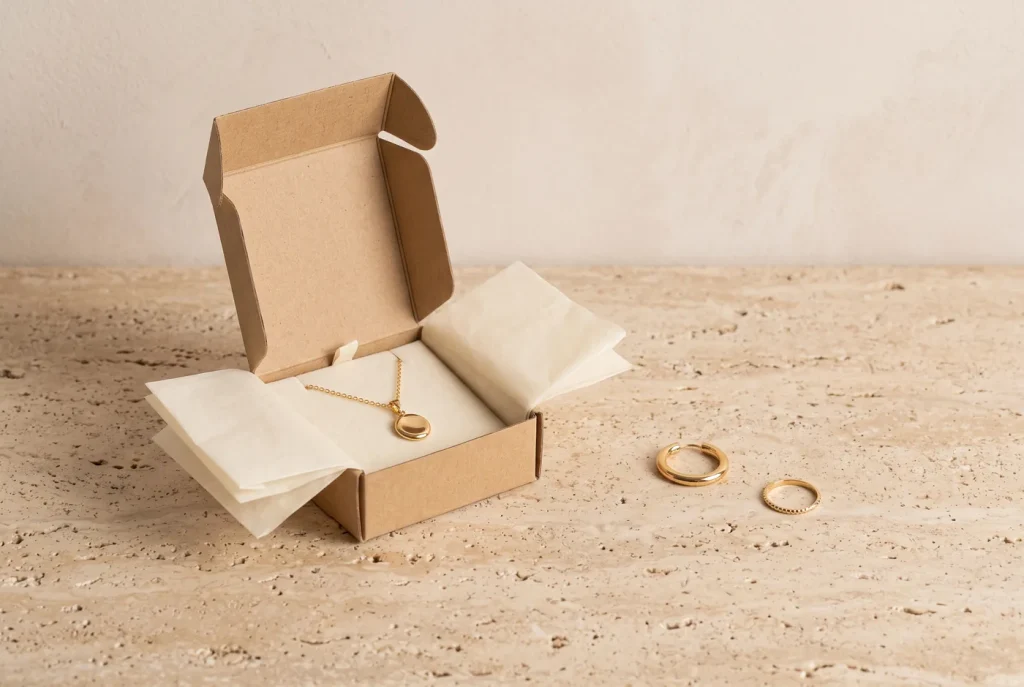
While our process gives you vetted factories from the start, it’s reasonable that you will still want to test products with small orders before committing to a volume order. Our no minimums means that you can do just that. Place a small order, no matter how small, the same way you would request a sample from a supplier. We have no order floor to clear, so you can do this as many times as you want with as many products until you feel confident enough to place a larger order. This is a practical way to test new categories and new styles before committing to more.
Common questions about vetting a supplier
How do I know if a supplier is reliable?
A reliable supplier shows it in a few simple ways. They communicate promptly and thoroughly and answer your questions specifically, not with vague or estimated details. They can also explain in detail their QC process and back their promises up by consistently delivering orders that are accurate, on time, and match the quality of their samples.
What questions should I ask a new wholesale supplier?
You should ask a potential new supplier about their QC process, how they package items for shipping, what happens if there is a problem with an order, and for compliance documentation. Reliable wholesale suppliers should be able to provide detailed answers to these questions with ease.
How can I test a supplier before placing a larger order?
To test a supplier, request a sample or place a small no minimum order to see in real life the quality of the products before placing a larger volume order. No matter how detailed the product description is, going through the order process and seeing the product in real life will give you much more information about product quality and the supplier.
What makes a supplier high quality for retailers?
A high-quality supplier is more than just the lowest price. Wholesale supplier quality is vetted on transparency, consistency, and real-life quality. That means they provide clear communication, can detail their processes, and back up their claims by reliably and consistently sending high-quality orders.