How to test Q1 trends without overbuying
January is a good month to find out whether a trend will sell for you. Here’s how to size a small test, run it on the floor, read what it tells you and decide whether to scale, hold or stop.
- Retailers can test Q1 trends with small-volume orders, a fixed test window and clear reorder rules instead of large upfront inventory commitments.
- Size a test from a proven seller in the same category: multiply its weekly sales by the number of weeks in the test, usually four to eight.
- Put the test product where customers will see it, next to a bestseller, and leave it in one spot for the whole window.
- Track full-price sell-through weekly by variation, along with how shoppers respond. A product that only moves on markdown hasn’t passed.
- Write the pass line down before the test starts, so the result points to one clear move: scale, hold or stop.
- Give every test a firm end date and a plan for leftover units, so it never turns into dead stock.
By the time January rolls around, shoppers are cautious. They’ve spent a lot over the holidays, and everyone is ready to rein it in. As a retailer, you may still be holding stock that didn’t sell in December while new trends are already emerging. It’s a bad time to overbuy, which makes getting Q1 trends right all the more important.
A trend doesn’t have to be a commit-or-skip decision. You can test Q1 trends without overbuying by starting with small-volume orders. It works when you set a clear test window and reorder rules up front, so the result tells you whether the product earns a place in your repeatable sourcing process.
At this point, you’ve already done the smarter sourcing and identified the trend, so now you need to test it. Here’s how to test Q1 trends without overbuying: how to size your test, run it against your bestsellers, read the signals and decide whether to scale up or pass.
Why Q1 is the right season for retail trend testing
Trend-driven inventory, meaning products bought to meet a shift in consumer demand, with a shorter selling window, carries more risk than your proven bestsellers. That risk can be managed. Retailers can test Q1 trends with small-volume orders, a fixed test window and clear reorder rules instead of large upfront inventory commitments.
January is a good time for Q1 trend testing. Traffic is lighter, so you don’t need as many test units to get a read. Shoppers are still shopping, though, so the results are still readable. In gift card company Blackhawk Network’s post-holiday survey of 2,012 U.S. adults in January 2025, 78% of younger shoppers and 71% of older shoppers said they planned to spend their holiday gift cards within the next two months. Small tests also suit tighter post-holiday cash. You can afford to test, miss and test something else.
Size the test before you place the order
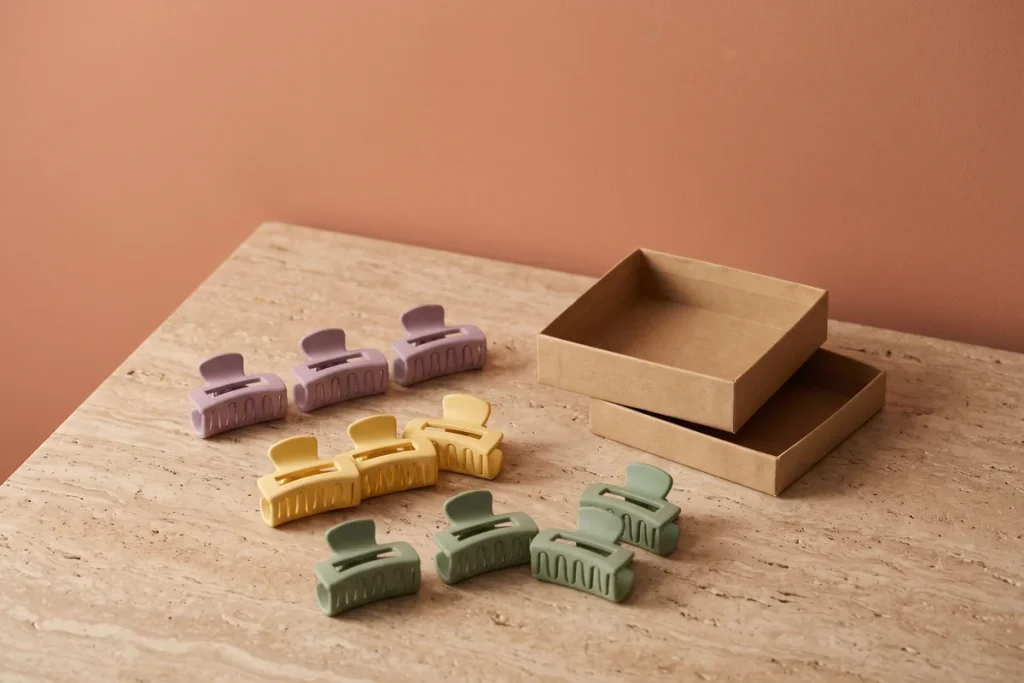
Two numbers will help you set the size of your test: how much the product needs to sell for you to reorder, and how much of your budget you’ll spend finding out. Decide both before you order.
How much inventory to buy for a test
Start with a proven seller in the same category at a similar price point. Its weekly sales give you a baseline. Then:
- Set the test window. Decide how long the test will run. Four to eight weeks suits most fast-turning categories like accessories and jewelry.
- Set the sell-through target. The sell-through rate is the share of units received that sold within a given period. Decide what full-price sell-through you need to see by the end of the window before you’ll place a larger order.
- Order enough to cover the window. Multiply the comparable product’s weekly sales by the number of weeks in the test. That’s your test quantity.
Test trends that fit the customers you already have
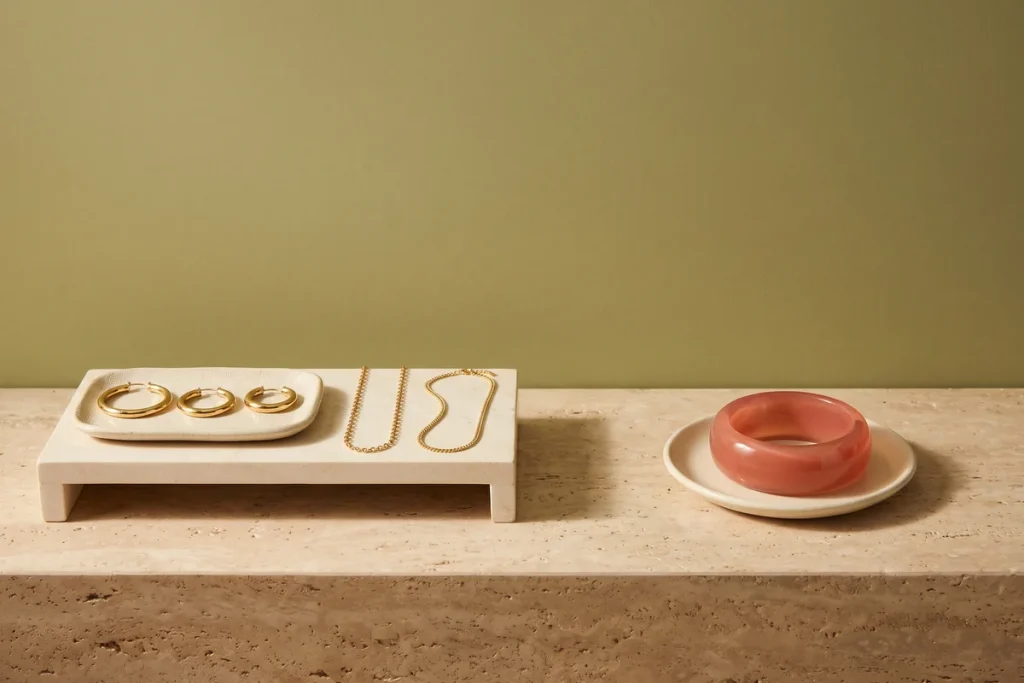
Not every trend works for every store. The best trends to test line up with the customers you already have. To check, compare the trend product with one of your current bestsellers. Does it:
- Fit in the same price range?
- Look like a style your customers already buy from you?
- Answer something your regulars have already asked about?
If you’re looking ahead, check out the spring 2027 product categories worth watching this season.
Run a merchandising test before you add depth
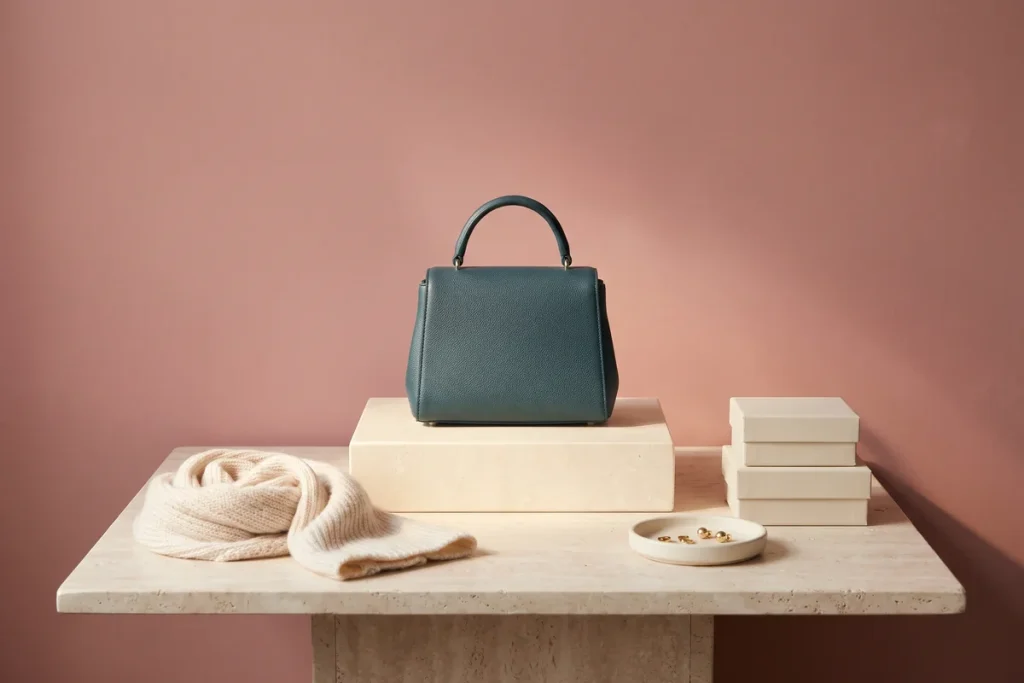
Merchandising, or how products are grouped and displayed, affects your test. This is product testing for retailers, so the goal is to see how the product sells with your actual customers, not how one spot in the store performs. A test product at the back of the store or on page three of your website isn’t a fair test. Put it where customers will see it: the main aisle, near the register or a front display table.
Place it next to a proven bestseller in the same category. If the bestseller keeps selling and the test product doesn’t, you have a pretty clear answer. Keep the test in one spot for the whole window, since moving it around skews your results.
Read the signals that matter during the test
A good test needs a plan for reading the right signals, starting with when to check in. Set a fixed check-in schedule instead of looking whenever you pass the product on the floor. At each check-in, read two signals:
- Sell-through. The biggest signal is how the product is selling. Track it weekly, by variation and on full-price sales only. That gives you the clearest read. If it only moves when it’s marked down, it didn’t pass the test.
- Customer response. Beyond sell-through, note how shoppers respond to the product. Do they pick it up and put it back down? Add it to their cart online and not check out? Ask questions about it or request other variations? Each of these can point to a problem with the price point or the style.
A simple schedule for the check-ins:
- Weeks one and two: confirm that shoppers are noticing the product.
- Weeks three and four: read sales at the midpoint. Is it on pace to hit your sell-through target?
- Final week: gather your sales results and decide whether the product met the bar you set.
Decide when to scale and when to move on
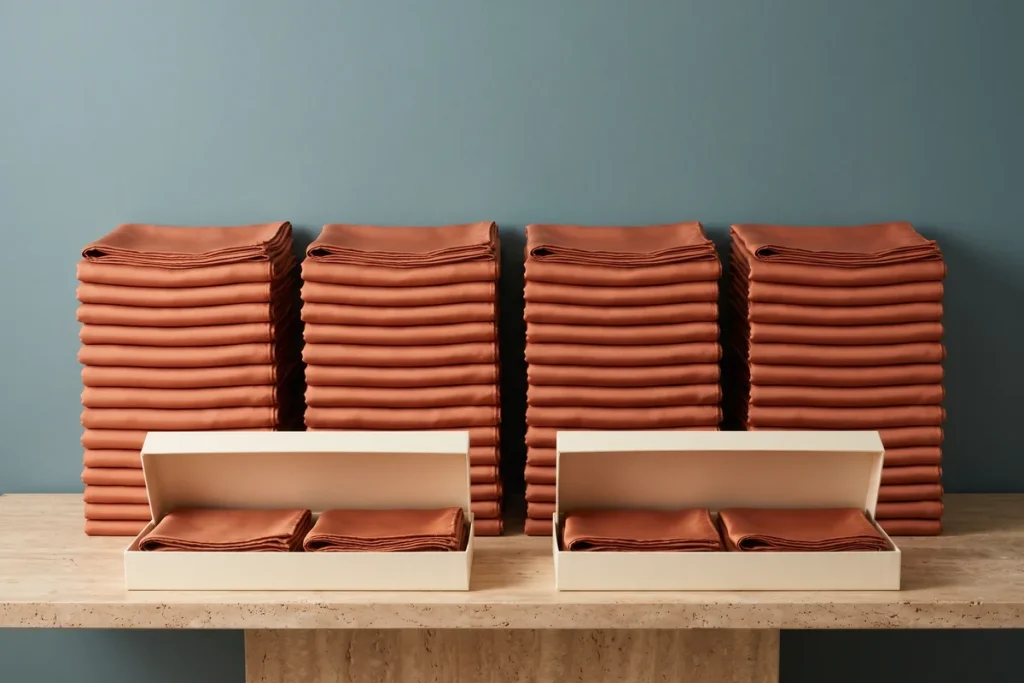
Write your rules down before the test starts. Say you’re testing a new scarf style and set 60% full-price sell-through as your pass line. If the scarf sells through at 65%, it passes. With the rules set in advance, the data at the end of the test makes the decision, and it points to one of three moves:
- Scale. The test worked and the product hit the pass line at full price. If some variations sold better than others, reorder the ones that did well.
- Hold. The product sold just okay or narrowly missed the pass line. Run another short test for a fixed number of weeks before you order more.
- Stop. The product missed the pass line, or only hit it after a markdown. That’s a clear no. Stop there and move on to testing another product.
Once a product scales, set a reorder point: the stock level that triggers a reorder, set so new units arrive before the current ones run out. From there it’s a regular SKU, and the ongoing decision to reorder vs. replace takes over.
Common trend-testing mistakes
Dead stock, meaning inventory that has stopped selling, is a problem for every retailer. In Netstock’s 2026 Supply Chain Planning Benchmark Report, which surveyed more than 150 small and midsize businesses that use its inventory planning software, 24% said more than 10% of their inventory was dead stock, up from 12% in 2024. A test without an end date is an easy way to add to that pile. Set a firm end date for your test and stick to it, and put a plan in place for any leftover units before they become dead stock.
Other trend-testing mistakes include:
- Running more tests at once than you have strong placements for in the store.
- Ordering too many units before the test proves demand.
- Reading the results too early, such as after one week or halfway through the window.
Keep tests in proportion to your evergreen core
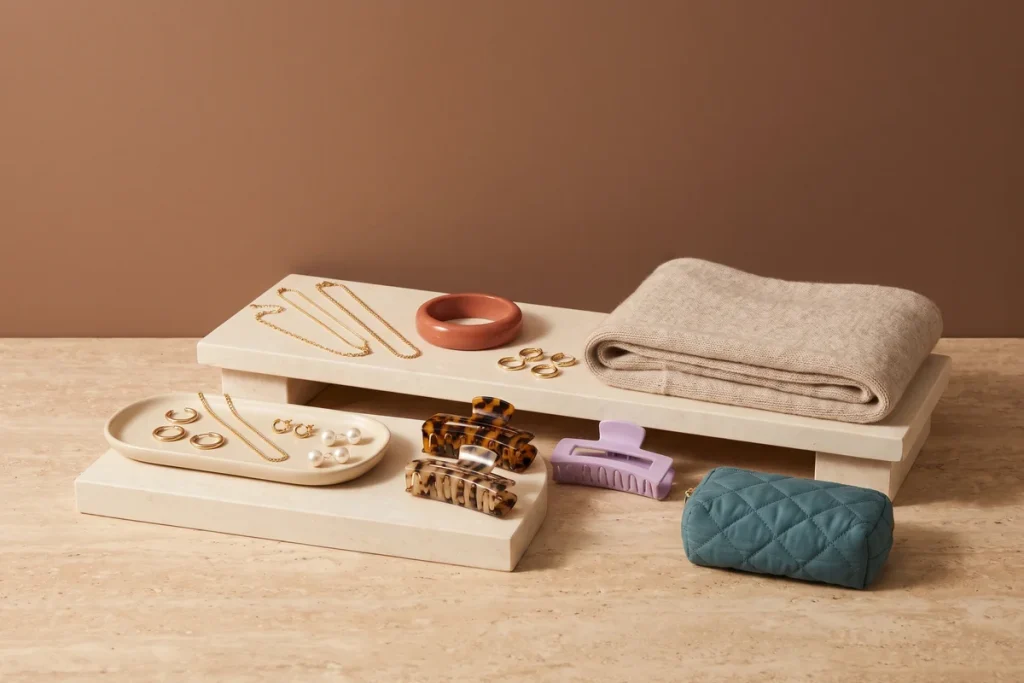
When you balance trend-driven vs. evergreen products, remember that your evergreen inventory, the products with steady demand year-round, carries your sales while you test. Set aside enough of your Q1 budget to keep evergreen products fully stocked, and use the rest for Q1 trend testing and trend-driven inventory.
How Everful helps retailers test trends with less risk
Testing Q1 trends without overbuying means ordering a handful of units across several variations, then committing to a larger order once the product passes. Everful is set up to make that kind of testing possible. With no minimums, you can order a single unit or a thousand, with no floor to clear before you can buy.
Everful also connects the signal to the source through Real-Time Trend Analysis. Every trend that surfaces is an orderable product from a vetted, audited source, hand-inspected before it ships. When a test passes, you reorder as the product moves.
Common questions about testing Q1 trends
How much inventory should retailers buy when testing a trend?
Pick a similar product that already sells well for you and sits in the same price range. Then buy enough to cover the test window at that product’s weekly sales pace.
How long should a product trend test run?
Most trend tests run four to eight weeks, though the length is up to you. Make it long enough to get past first-week novelty and short enough that you can act on the result. Either way, set the end date before the product arrives.
When should retailers reorder a product after a successful test?
Reorder once the product hits its pass line at full price. Check results by variation and only reorder the ones that sold. Place the order early enough that new stock arrives before the test units run out, so the product stays on the floor right after it has proven itself.