
What retailers should stock for January: A category guide
Holiday demand drops off fast in January, but shoppers are still buying. Here are six product categories that match their post-holiday priorities, with product examples and display ideas for each.
- After the holidays, January shoppers tighten their budgets and shift their spending toward self-improvement, comfort and practical purchases.
- Cold-weather accessories are often picked over after holiday sales. Restock them and group them near the checkout or with complementary clothing.
- Organization and productivity products line up with New Year’s resolutions and the return to work and school.
- Lunar New Year (February 6, 2027) and Valentine’s Day both need to be on shelves in January.
- Comfort products and everyday essentials keep sales steady as shoppers spend more time at home and replace items that break.
- Avoid overcommitting: test new January products in small quantities, then restock what sells.
After the excitement of the December holidays, January is an opportunity for retailers to reset. While foot traffic may slow down, January doesn’t have to result in a sales slump. The key is to adjust your assortment, or the mix of products you’re offering, to align with shoppers’ January priorities.
In this article, we’ll discuss what retailers should stock for January and the product categories to prioritize for the new year. By building your assortment around seasonal consumer trends and behavior patterns, you can keep demand and sales volume up even after the holidays end.
Why January shopping looks different from the holiday season
Once the end-of-year holidays wrap up, many shoppers are looking to get back into a consistent day-to-day routine.
PwC’s 2026 Holiday Outlook forecasts that consumers will spend an average of $708 on holiday gifts this year. After spending on holiday gifts and travel, many consumers are likely to tighten their budgets in January and limit purchases to essential items.
Many consumers are also focused on self-improvement in January, and that affects their spending behavior. A 2024 report from Pew Research Center found that 30% of U.S. adults made at least one New Year’s resolution for 2024. Consumers who are focused on personal growth often shift their spending toward productivity and well-being.
Category #1: Cold-weather accessories
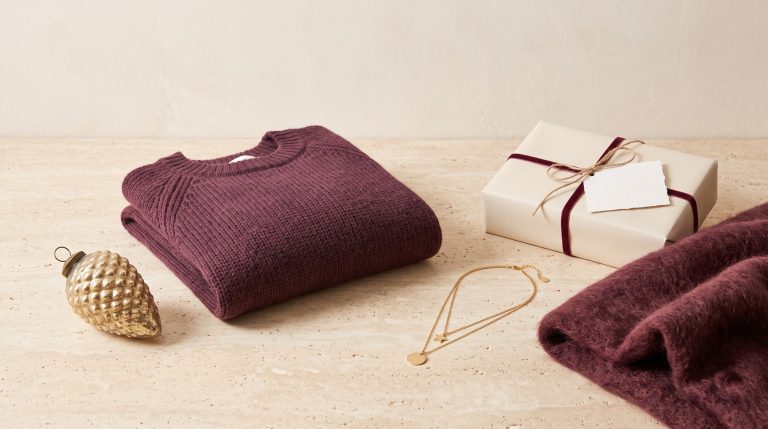
January is one of the coldest months of the year in many parts of the world, so it’s no surprise that cozy hats, scarves and gloves are some of the top products to sell in January.
These items are often picked over after holiday sales, but shoppers still need them to stay warm. January is the perfect time to restock in a variety of colors and styles.
When putting together your January displays, consider grouping different types of cold-weather accessories together near the checkout to encourage cross-selling and impulse purchases. You can also place cold-weather accessories near complementary clothing pieces and encourage shoppers to buy the full outfit together.
Category #2: Organization and productivity products
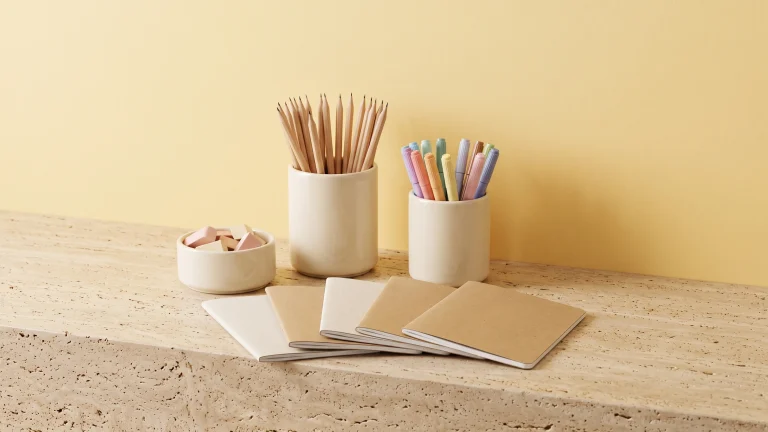
In January, many shoppers are heading back to work or school after an extended holiday break. On top of that, many people set New Year’s resolutions related to productivity, such as improving their finances, learning a new skill or decluttering their home.
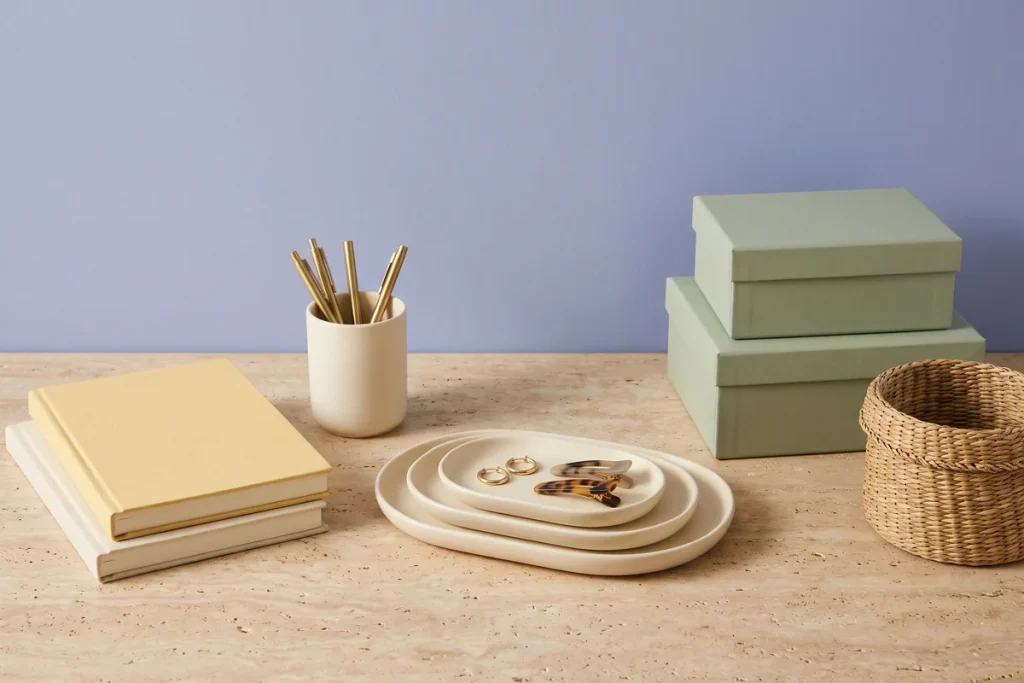
To take advantage of this shift in consumer behavior, try stocking office supplies like notebooks, planners and pens, as well as boxes, shelves and trays to help shoppers stay organized at home. Try displaying these organizational supplies together, so shoppers can picture them in their own homes.
Category #3: Lunar New Year
Lunar New Year falls on February 6 in 2027, so retailers need to start stocking holiday products in January. Lunar New Year is most prominent in East and Southeast Asia, but it’s celebrated by people around the world. A 2023 article from TIME estimates that 2 billion people celebrate the holiday each year.
To get in the holiday spirit, consider stocking traditional gifts and decorations like money trees, lanterns, red envelopes, candied fruits and items with Chinese zodiac motifs. Themed candles, table runners and tableware are also top choices to stock. Build a holiday display with rich red and gold shades to catch your shoppers’ attention as soon as they walk in the door.
Category #4: Valentine’s and Galentine’s
Valentine’s Day is another February holiday that retailers should start preparing for in January. The National Retail Federation’s 2026 Valentine’s Day spending survey found that 55% of consumers planned to celebrate the holiday that year. Some consumers celebrate with a significant other, while others mark Galentine’s Day with close friends. The same survey found that 33% of consumers planned to buy gifts for friends.
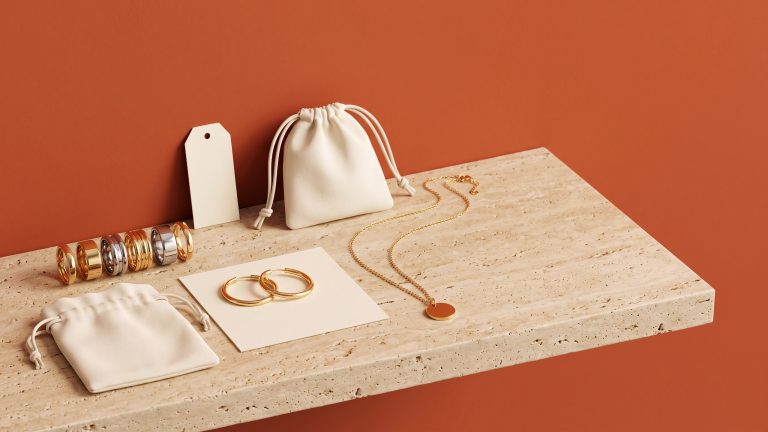
For this category, consider stocking jewelry, chocolates and floral arrangements that shoppers can gift their loved ones. You can also stock themed decor items, like heart-shaped wreaths and candles. Put them together in a cozy seasonal display that will have customers feeling the love.
Category #5: Comfort and lifestyle products
Due to the short days and cold weather, consumers tend to spend a lot of time at home in January. A Quartz analysis of the American Time Use Survey found that people spend about 13% more time watching TV and movies in January than usual.
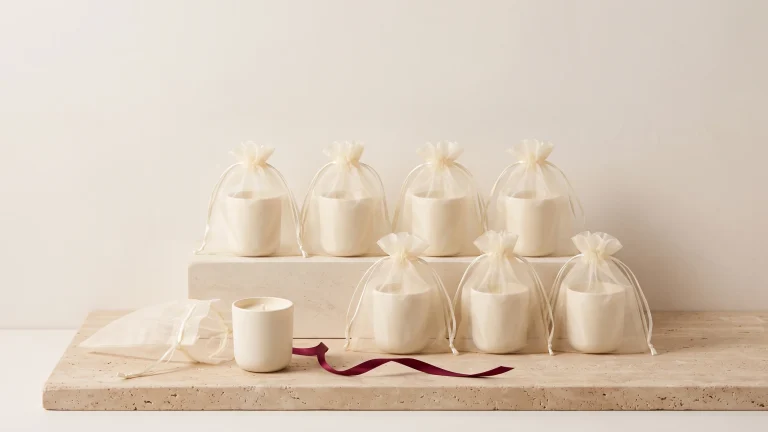
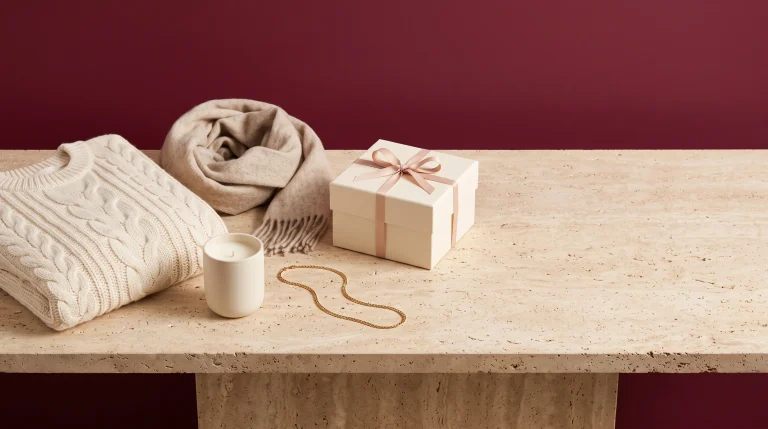
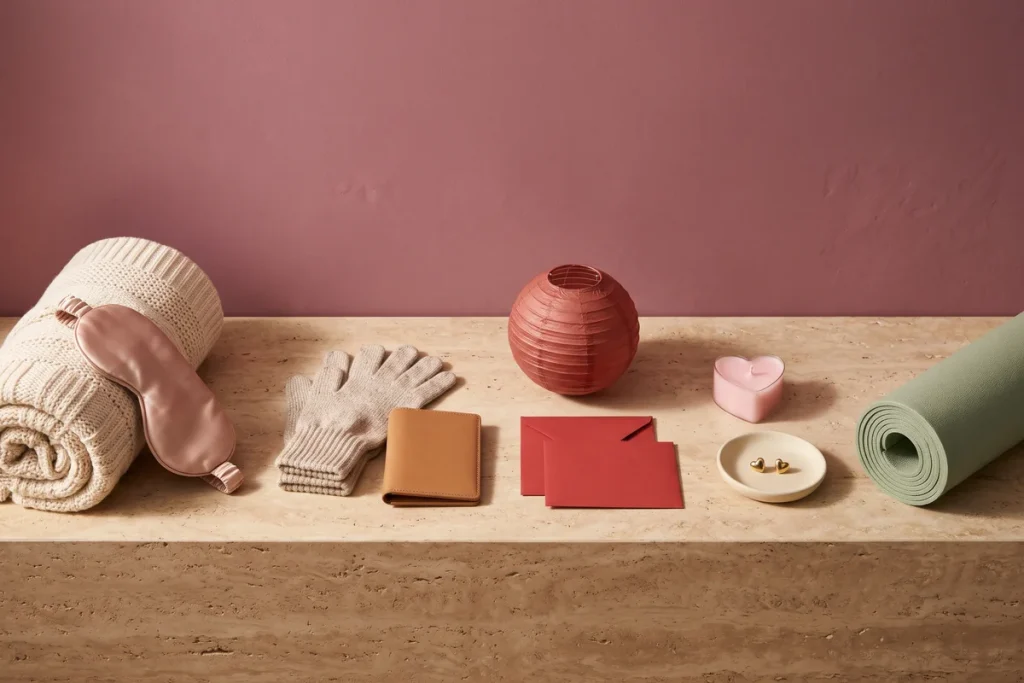
Because of this, many shoppers buy products to make their life at home a little more comfortable. This category includes pajamas, loungewear, sleep masks, blankets and pillows. Many shoppers also like adding cozy scents to their space with candles, incense and room sprays. Shoppers who are interested in fitness are also looking for items they can use to work out at home, such as free weights and yoga mats. Try adding these items to your January retail inventory to take advantage of the trend.
Category #6: Everyday essentials
Evergreen products, or products with consistent year-round demand, often perform particularly well in January. Although many shoppers are tightening their purse strings during this time, they still need to repurchase essential items when they break.
Popular essentials to stock during this time include wallets, phone cases, reusable water bottles and phone chargers. These are items that many people use every day, and because they go through so much wear and tear, they can break unexpectedly.
Many shoppers also want to replace these items right away if they break so they don’t experience any disruption to their routine. Make it easy for them to purchase these items by placing them in a convenient, visible location near the front of the store or the checkout.
How retailers can transition from holiday inventory to January inventory
To transition from the busy holiday season to January, start by refreshing your biggest displays with new items. Keep the focus on January-specific items like new organizational products or cozy lifestyle items instead of reusing leftover holiday items. Once you’ve set up your January displays, mark down any leftover holiday items to make room for future spring inventory.
You’ll also need to prepare for incoming holiday returns, as return rates tend to spike in January. The National Retail Federation’s 2025 Retail Returns Landscape report found that retailers expected 17% of holiday sales to be returned that year. Some returned items may be resellable, but others may need to be liquidated.
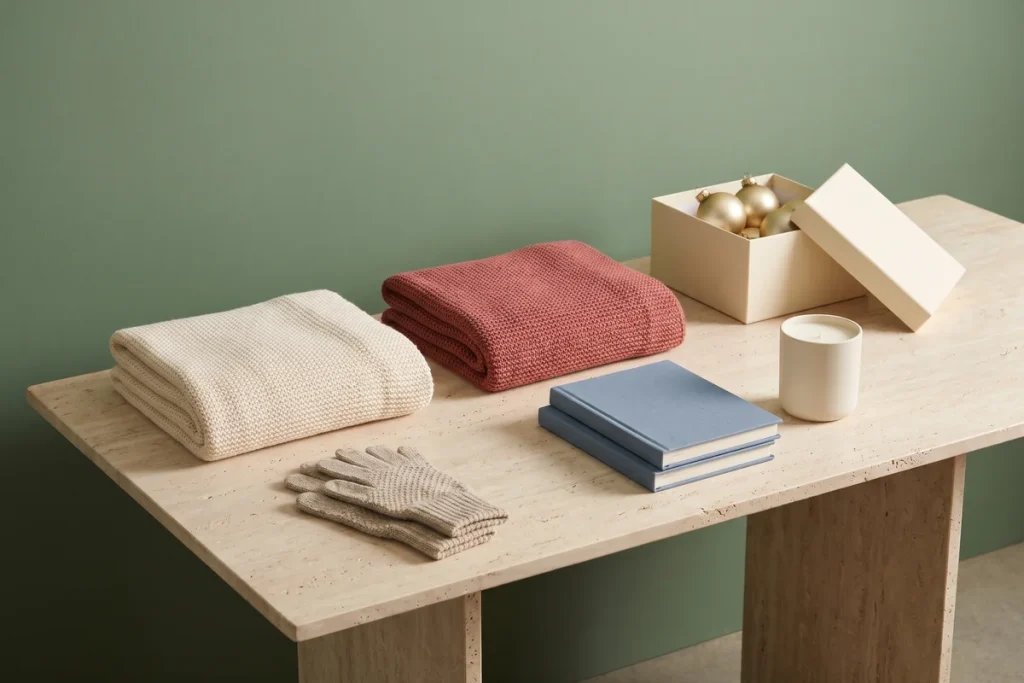
Building a January assortment without overcommitting
If you order too much stock when planning your January assortment, you could end up with extra items taking up space when spring rolls around. This can lead to unwanted markdowns that hurt your profit margins.
Instead, use Everful to test products in smaller quantities, then watch sales metrics to see how they perform. If a product performs well, you can restock it to take advantage of demand. Everful has no minimums, which means you can order the exact quantity you need.
How Everful helps retailers adapt to post-holiday demand
On Everful, you’ll find a selection of over 20 million wholesale products across a variety of categories, with over 10,000 new arrivals daily. This makes it easy to test new categories for January and build a balanced product assortment that keeps customers coming back.
Everful’s real-time trend analysis and personalized recommendations help you find products that work for your unique customer base. Smart Factory Sourcing connects each product to the right vetted factory. With these features, Everful helps you build a repeatable sourcing strategy that works through the changing seasons.
Common questions about what to stock in January
What products sell well in January?
Cold-weather fashion accessories, organization and productivity products, and cozy lifestyle items are all popular product categories for January.
How can retailers transition from holiday inventory?
To transition from the holidays to January, retailers should mark down leftover holiday items and refresh prominent displays with new, trending items and evergreen essentials.
How can retailers build a strong post-holiday assortment?
To build a strong post-holiday assortment, retailers should use a mix of essential items, cozy lifestyle products and items for upcoming events like Lunar New Year and Valentine’s Day.