How retailers balance trend-driven vs. evergreen products in their assortment
Every assortment has two jobs. Trend-driven products bring new shoppers through the door, and evergreen products keep revenue steady once the hype moves on. Lean too hard on trends and your margins swing with every viral moment. Lean too hard on staples and the store starts to feel stale. Here is how to judge which trends are worth the shelf space, spot the products with real year-round potential, and build a mix that sells in every season.
- Trend-driven products have fast-moving, time-sensitive demand. Evergreen products have consistent, year-round demand. A balanced assortment needs both.
- Trends bring first-time customers through the door, and evergreen products keep revenue predictable while trends come and go.
- Judge a trend on three things before you stock it: how fast it is moving, how relevant it is to your customers, and whether the demand signals are there.
- Evergreen products share three traits: universal appeal, durability, and repeat purchase potential.
- Mix trending and evergreen products within each category, test trends in small quantities, and replenish evergreen winners on a regular schedule.
- Sourcing with no minimums lets you try a trend in a small quantity and restock staples at the exact quantity you need.
One of the biggest challenges for any retailer is planning a balanced assortment that generates consistent sales, even as trends come and go throughout the year. To do this, you’ll need to find the right mix of trend-driven and evergreen products instead of focusing entirely on one or the other.
A trend-driven product is an item with fast-moving, time-sensitive demand. An evergreen product is an item with consistent, year-round demand. When you pair them together, they balance each other out financially and create a better shopping experience for your customers.
Here’s how to plan your trend-driven vs. evergreen assortment strategy to minimize risk, protect your profit margins, and get customers excited throughout the year.
Why retailers need both trend-driven and evergreen products
A balanced assortment uses evergreen products for stability and trend-driven products for momentum, giving retailers both predictable revenue and fresh discovery.
Trendy products generate hype, which helps get customers into your store for the first time. However, if you rely entirely on trend-driven products, your revenue and profit margins could fluctuate wildly throughout the year. Trends change quickly and can be unpredictable. If you invest in a trend and it doesn’t take off the way you hoped, it will hurt your bottom line.
Evergreen products, on the other hand, are much more stable and predictable. They’re products that customers buy over and over again, regardless of the current season or what’s trending. However, evergreen products don’t always generate the excitement necessary to get first-time customers through the door. If you rely entirely on evergreen products, your brand could start to feel stale.
Balancing trendy and evergreen products helps you attract shoppers of all ages. According to McKinsey’s State of Fashion 2025 report, 50% of US Gen Z shoppers prefer to explore and shop new brands, so they appreciate the novelty of trending items. Only 33% of shoppers aged 50 and over said the same. Stocking evergreen items appeals to these older shoppers looking for consistency and quality.
How to evaluate trend-driven products for fit and risk
Before adding trending products to your assortment, you’ll need to make sure they’re a good fit for your business and your target audience. You’ll also need to decide how much of each trend-driven product to stock. If you over-invest in a trend and it doesn’t take off, you could end up with unsold inventory taking up space in your storage.
There are a few key indicators that a trend is worth investing in. Here’s what to consider.
Trend velocity, relevance, and demand signals
The first thing to evaluate is trend velocity, or the speed at which a trend gains traction. Consider how fast the trend is taking off and when it’s likely to peak.
Some trends move too quickly to be worth investing in. By the time you stock the product, customers could already be losing interest. The most effective trend-driven products are the ones with enough velocity to create a sense of urgency, but enough universal appeal to last at least a season or two.
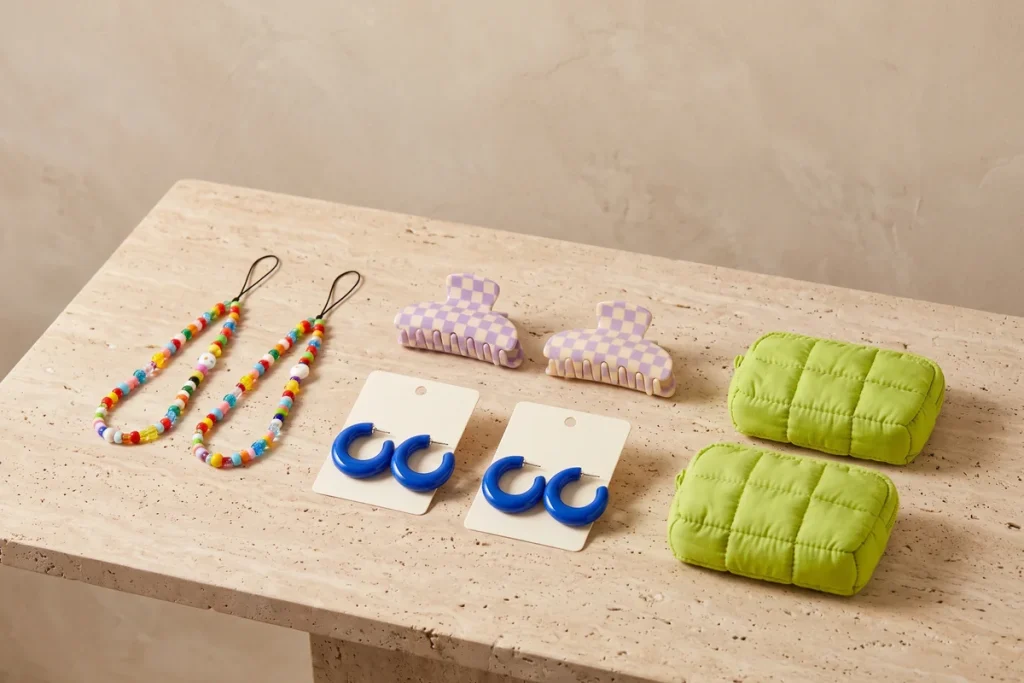
You’ll also want to consider each trending product’s relevance to your brand and your customers. Even if a product is in high demand with the general public, it might not be right for your audience. For example, if women’s jewelry and clothing items are usually your top sellers, a trending kitchen accessory might not appeal to your shoppers.
Finally, look for demand signals that indicate customers are interested in this trend. This could be an increase in related search keyword traffic, social media posts, or even direct requests from your customers.
How evergreen products create stability and predictable revenue
Think of evergreen products as the bedrock of your assortment. They’re the items that customers need and buy consistently throughout the year. They generate consistent, predictable revenue even as trends change, helping to keep your finances stable.
But what does an evergreen product look like? Sometimes it can be difficult to tell whether a product has true year-round potential or is just a long-lasting trend. Here’s what to keep in mind when building your evergreen assortment.
Evergreen traits: durability, universal appeal, repeat purchase potential
While evergreen products exist across categories, there are a few traits they tend to have in common.
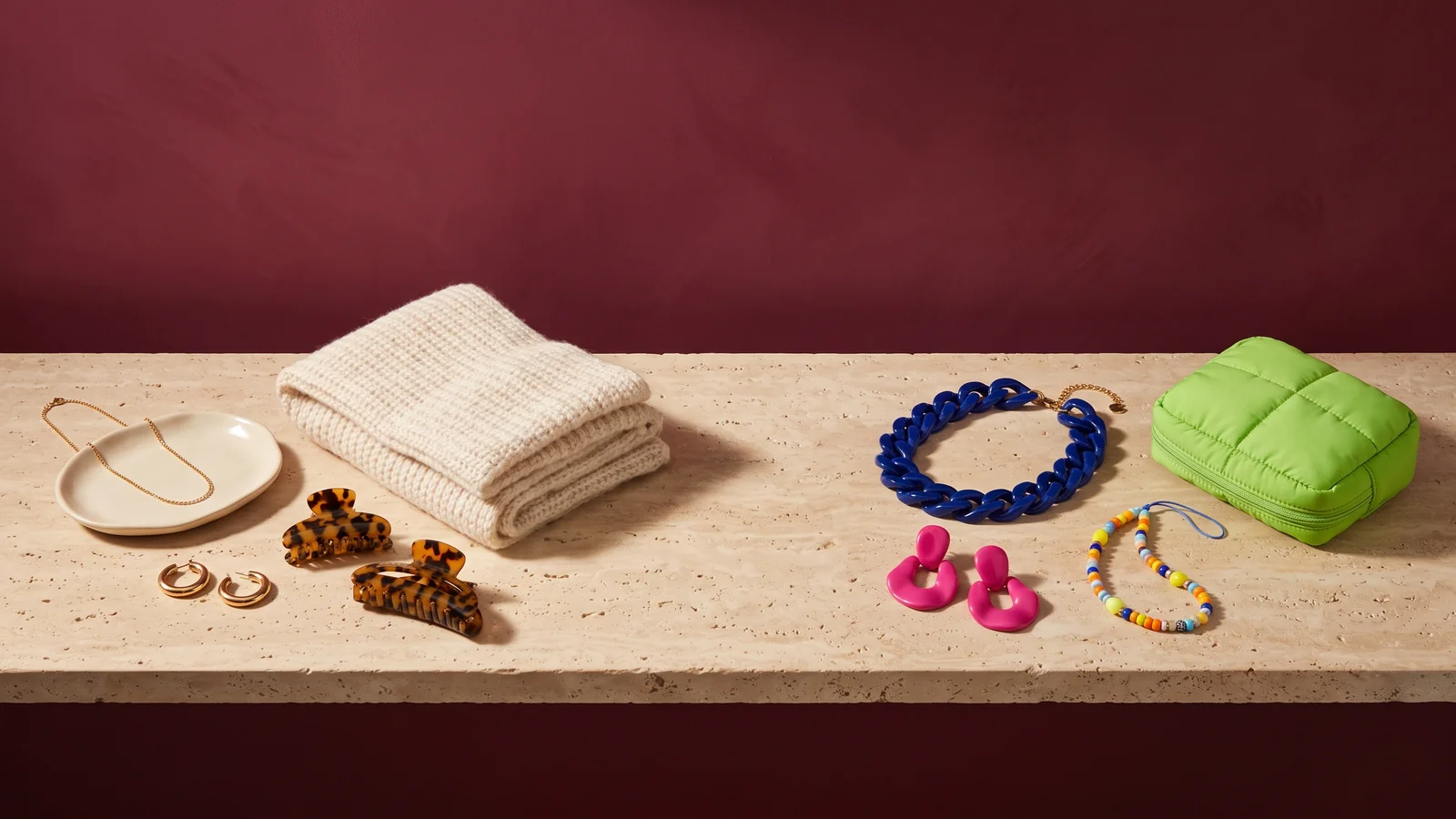
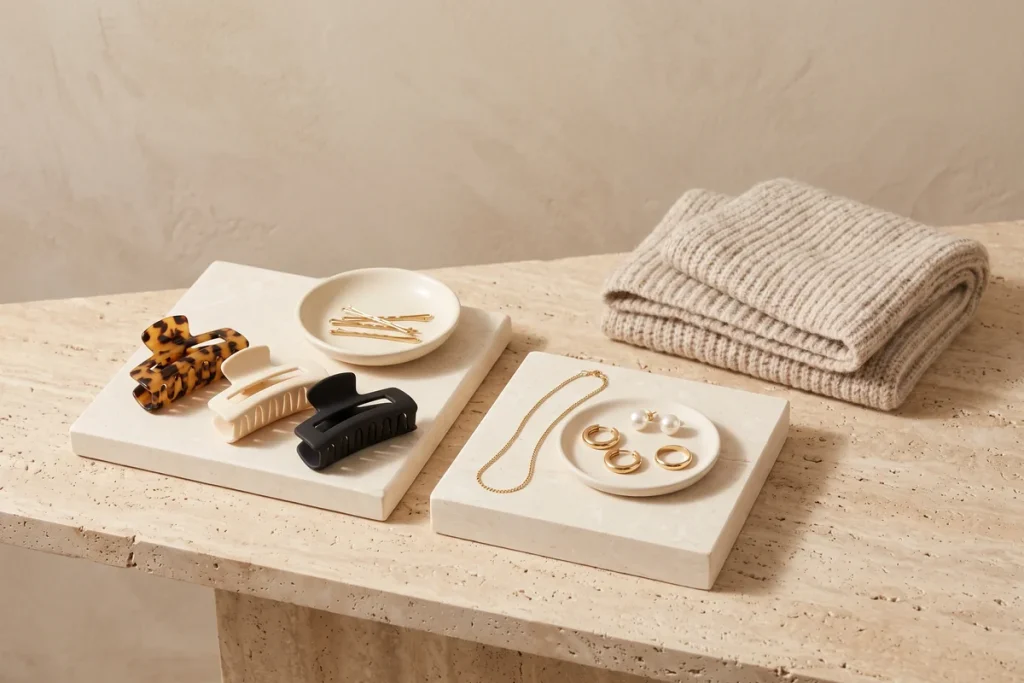
First, they have universal appeal, meaning that many different types of customers are interested in them. Say you’re stocking hair accessories: simple claw clips and pins are items many customers can use regardless of their hair length or texture, so they have evergreen potential. Items that only work for very specific haircuts are more niche, so they’re unlikely to generate the consistent value you’re looking for.
The next factor to consider is a product’s durability and lifespan. Products made with high-quality materials and good construction are ones that customers will want to invest in, no matter what’s currently trending. When choosing products for your assortment, be sure to check the materials and assembly for quality.
Finally, consider a product’s repeat purchase potential. Is it something that customers are likely to replace when their first one stops working or buy in multiple colors? These repeat purchases make it easier to predict demand and revenue levels.
How to build an assortment that blends both effectively
To consistently attract customers and generate sales, you’ll need to find the right assortment balance. This is the ratio of trend-driven to evergreen products you have in your inventory.
Finding the right assortment balance may require some trial and error. You’ll need to observe your customers closely to see how they respond to different types of products. Over time, you’ll learn how to spot trends and evergreen items that will work for your customers.
Here’s how to build an assortment balance strategy that generates consistent demand and revenue.
| Trend-driven | Evergreen | |
|---|---|---|
| Demand | Fast-moving and time-sensitive | Consistent and year-round |
| Role in the assortment | Momentum and fresh discovery | Stability and predictable revenue |
| What to look for | Velocity, relevance, demand signals | Universal appeal, durability, repeat purchases |
| The risk | Unsold inventory if the trend does not take off | A brand that starts to feel stale |
| How to buy | Test in small quantities, restock quickly | Replenish on a regular schedule |
Category-level balance
When building your inventory, break it down into clear categories like clothing, jewelry, footwear, or home decor (just to name a few). Each category should carry its own mix of trending and evergreen products, so no single category leans entirely one way. This helps keep sales consistent across your entire store.
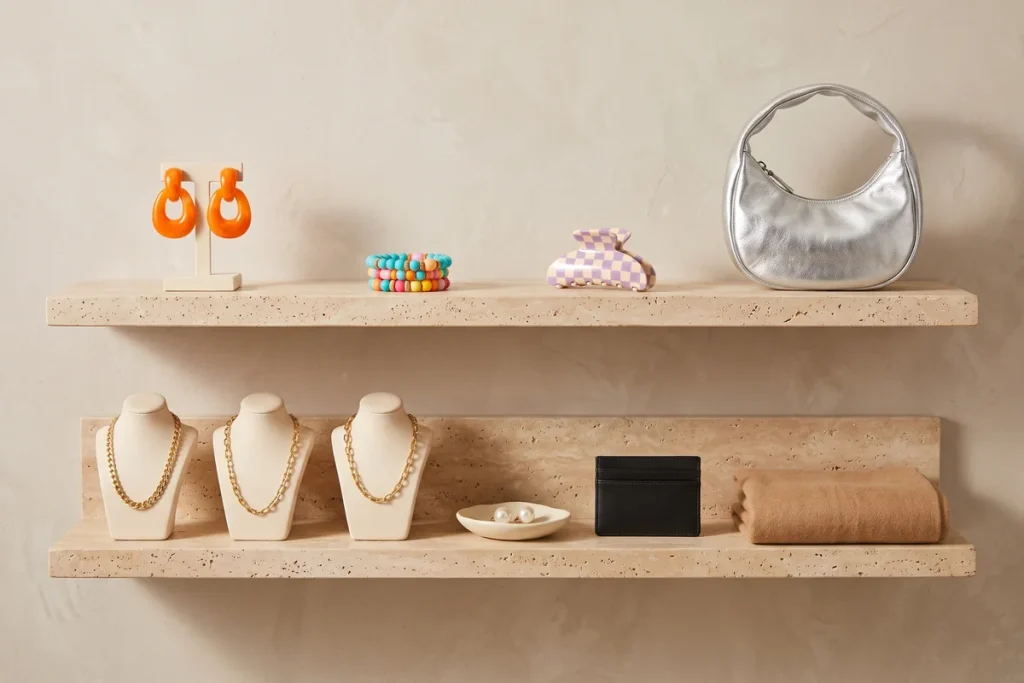
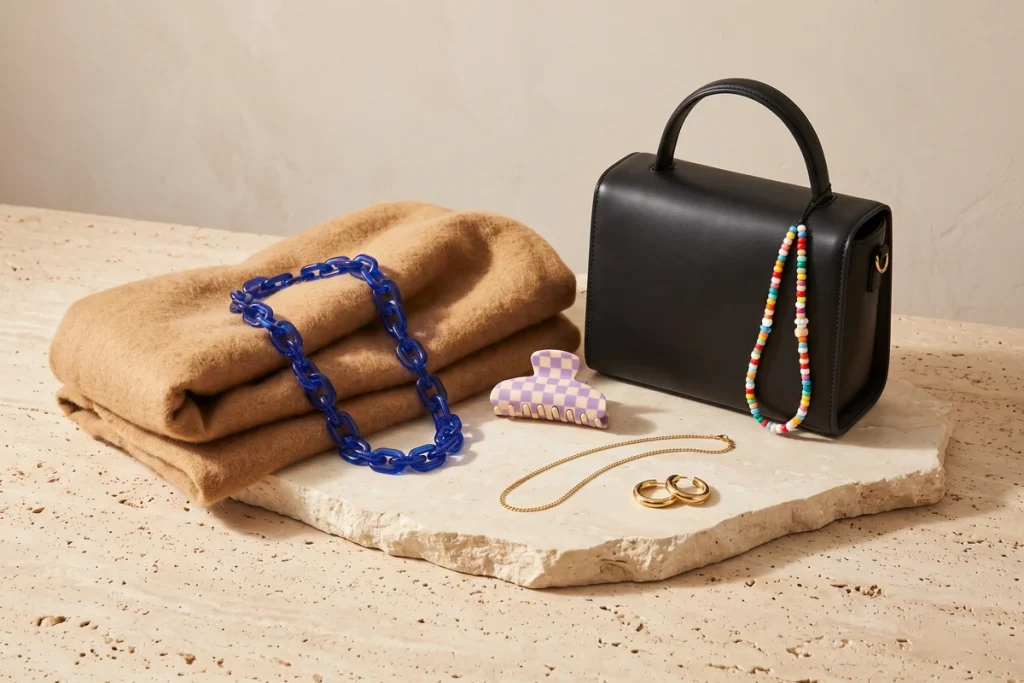
Strategic merchandising can also help keep demand consistent across all categories. Instead of displaying products individually, pair them together in outfits or lifestyle displays. This helps customers picture themselves using the products. It also encourages them to buy multiple products that complement each other.
Testing trends with small-volume orders
It’s tricky to predict exactly how a trend will perform. Even if an item is going viral online, it might not resonate with your in-store audience.
That’s why it’s best to test trends in small quantities before moving on to larger orders. Start with a small amount you know you can sell and restock quickly if demand is strong. This way, you won’t be left with a warehouse full of past trends if they don’t sell well.
Replenishing evergreen winners consistently
Once you find evergreen products that work, be sure to keep them in stock consistently. A 2024 holiday survey from AlixPartners found that two-thirds of shoppers will leave and shop elsewhere if an item is out of stock.
Schedule your replenishment orders on a regular basis so you’re not waiting until the last minute. Be sure to adjust order quantities for high-demand periods like back-to-school season or the winter holidays.
This helps keep your revenue stable throughout the year. With stable revenue from evergreen items, you’ll have an easier time budgeting and planning for future growth.
How Everful supports trend testing and evergreen replenishment with no minimums
With Everful, you can choose from over 20 million products to build an assortment that blends trend-driven and evergreen items.
Everful also has no minimums for smarter sourcing. With no minimums, you can buy one item, a thousand, or whatever order quantity you need. There’s no minimum floor you have to hit before you can buy.
This makes trend testing easier for retailers, as you can try out small quantities before making a large order. You can also replenish evergreen items with the exact quantity you need to meet demand. Smart Factory Sourcing and a global shipping network get products to you efficiently to keep your inventory fully stocked.
Common questions about trend-driven and evergreen products
What signals indicate a trend is worth testing?
Trends are worth testing if they have strong demand signals online, are relevant to your audience, and aren’t likely to peak before you can stock them. Demand signals to watch include online search volume and social media trends.
How do evergreen products support long-term assortment stability?
Evergreen products have consistent demand throughout the entire year, regardless of current seasons or trends. This makes revenue levels more predictable and gives you the flexibility to also experiment with new trends.
How does flexible sourcing reduce risk when testing trends?
Flexible sourcing allows you to purchase the exact order quantity you need. You can purchase a small amount to test a new trend before making a larger commitment, which helps reduce the risk of losses if the trend doesn’t perform well.