
Smarter sourcing: How brands and retailers use Everful to find trending wholesale products
Most of a trend window gets spent finding someone who can actually make the thing. Here is how buyers read demand signals while they are still signals, test on a small run, and scale through vetted factories once their own sell-through backs it up.
Key takeaways
- Smarter sourcing means using real-time data, flexible ordering, and vetted factories to find trending wholesale products before everyone else.
- Everful’s trend analysis reads three signals as the market moves: search behavior, marketplace demand, and category velocity.
- A single best seller is usually a fluke. A category climbing on all three signals is the one worth a buy.
- Stockouts are a timing problem before they are an inventory problem, and early signals move the buying decision forward.
- No minimums let you test a trend on your own customers before you put volume behind it.
- Scaling keeps you with the same vetted factory and the same hand inspection, so the volume run matches the test run.
You spot a product moving fast, and by the time you go to source it, it is sold out or the lead times have stretched past the window. Your competitor already has it on the shelf. So how did they know?
That is where smarter sourcing comes in. What sells out next quarter is already moving now, and the work is spotting those signals early enough to act on them. Wait until a trend is obvious and you are buying what is left. Read the signals early and you are buying ahead of the curve.
Smarter sourcing in modern retail
Smarter sourcing means using real-time data, flexible ordering, and vetted factories to find trending wholesale products before everyone else. It is a proactive approach to wholesale sourcing trends. Instead of building next season’s buy from what sold last season, you pair seasonal trend forecasting with live demand signals and build your assortment, the range of products you choose to stock, around both.
Use Everful to discover trending wholesale products
Retail trend discovery pays off only when it happens early. Instead of reporting on the market after the fact, Everful’s trend analysis tool updates continuously against three signals:
- Search behavior: what buyers and shoppers are actively searching for.
- Marketplace demand: how much of a product is being ordered right now.
- Category velocity: how quickly a product or category is gaining demand.
Everful reads those three signals across millions of products as the market moves, then filters them to your categories and your sourcing patterns so the biggest movers surface first. The products carrying the signal are already live on the platform, which means you can act on a trend in the same session you spot it, from one place.
Early trend signals buyers should watch
One best seller is usually a fluke. A category gaining velocity is the stronger signal, because sustained momentum across a category rarely rides on a single hero product.
The three signals are also worth reading together. Search behavior tends to show intent before anything is bought, marketplace demand shows what buyers are already committing to, and category velocity shows how fast the ground underneath both is moving. A product that is climbing on one signal alone is worth watching. A category climbing on all three is worth a buy.
Velocity also points you toward breadth. When a category starts moving, testing two or three products inside it reads the trend more reliably than putting the whole buy behind one item, and it gives you a second and third option if the first one does not land with your customers.
Real-time insights that reduce inventory risk

Too much stock and too little stock are both expensive. Overbuying means paying for and storing product that is not moving. Underbuying means a stockout, running out of a product while there is still demand for it, and the sales you lose while you wait. Netstock’s 2025 Benchmark Report found that top-performing businesses hold lost sales from stockouts under 2%, while struggling businesses lose 13% or more. The gap has less to do with how much inventory a business carries than with how early it reads a shift in demand.
Early signals move that decision forward. Ordering before a trend peaks, and folding the same habit into holiday inventory planning and the rest of your buying calendar, means you are buying for where demand is heading rather than where it has been.
Validate demand with real performance data
Spotting an emerging trend and deciding whether it is worth acting on are two separate jobs. Whether a signal deserves a buy depends on your categories and your assortment. Is one item gaining momentum, or is a whole category worth building around?
Everful’s signals are filtered to your sourcing patterns, so what surfaces is weighted toward what you actually buy. You can hold what is gaining velocity against what you already know sells in your store and make the call on real numbers rather than instinct.
That comparison is the whole exercise. A category climbing nationally only tells you something once you know how it behaves on your shelves, at your price points, with your customers. When a signal lines up with a category you already move well, the buy is straightforward. When it points somewhere you have never carried, treat it as a test and size it accordingly, which is what keeps a trend from becoming a markdown problem eight weeks later.
Because the signal and the source sit on the same platform, you can source a trending product the moment you see it moving, with no second round of supplier research in between. The window on a trend is short, and most of it gets spent finding someone who can actually make the thing.
Testing a trend before you commit

Confirming a trend still does not mean committing to volume. With no minimums, you can order a single unit instead of a thousand, so there is no order floor to clear before you can test a product on your own customers.
That flexibility gets you a small run at low risk even when you read the trend wrong, and it gets you sales data from your specific customers rather than a broad national average. Once a test lands, you can place a volume order with evidence behind it. Ordering through Everful also means ordering from vetted factories, screened for quality, reliability, and compliance, with every order hand-inspected before it ships. Order quality holds whether you buy one piece or a full run.
Categories worth a test order
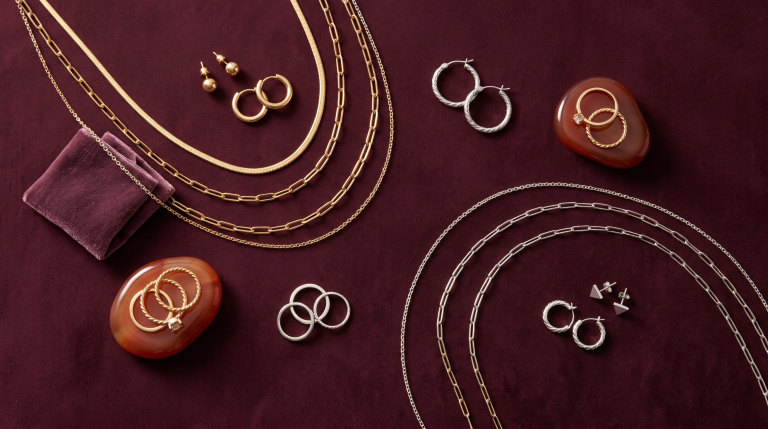
Test orders are worth spending carefully. You do not need to run one on every trending item. Put them where a small run tells you something real about your assortment and your customers. Fast-moving categories are the natural home for this: jewelry, accessories, and home decor all let you buy a small run and reorder quickly when it sells.
They also sell through fast enough to give you an answer inside the trend window. A test that takes a full season to read is not a test you can act on, which is why slower-moving, higher-ticket categories are the wrong place to learn whether a signal is real.
How to scale from one unit to a thousand

Scaling from one unit to a volume order is the straightforward part once demand is confirmed. You have already tested the product, and the sourcing relationship carries over at scale. Reordering means going back to the same vetted factory and the same quality standards, without starting over on supplier research and new terms. That continuity is what lets you move quickly after you have read the signal, run the test, and decided the trend is worth volume.
When trends move fast, vetted factories matter
Scaling a trending style should not cost you quality. Everful vets factories for quality, reliability, and compliance, then holds them to those standards through every order rather than only at onboarding. Reordering at scale gets you the same product you already saw in your test run.
Quality control for fast-moving trends

Everful’s quality control process means every order, whatever its size, is inspected by hand before it ships. Defects, color, size, materials, and how the product functions are all checked against what was ordered. That matters most on fast-moving trending wholesale products, where catching a problem after it reaches you costs you the window you were buying into.
Common questions about sourcing trending products
How do retailers find trending wholesale products?
Retailers find trending products by watching early signals: search behavior, marketplace demand, and category velocity. Everful’s trend analysis surfaces those signals for buyers so they can spot wholesale sourcing trends and act rather than wait for a trend to prove itself. That is the edge, testing a small run and reordering at volume once the sales validate it.
How does Everful help buyers validate demand?
Everful runs early demand signals and sourcing on the same system, filtered to the categories a buyer already sources. Buyers see real movement and make decisions on products that are ready to order that day. That closes the gap between spotting a trend and acting on it, which is where most of a trend window gets lost.
What makes no-minimum ordering useful for trend testing?
No-minimum ordering helps trend testing because there is no order floor to clear. A buyer can spot an early signal, order a test run, validate it against their own sell-through, and come back for volume. That flexibility is what lets a buyer act quickly when timing is the thing that matters most, and it works the same way with any wholesale supplier that has no minimum order.