
What is merchandising? A retailer’s guide to displays, cross-selling, and price point strategy
Merchandising is how a store turns good products into sales. This guide covers how displays, signage, cross-selling, and price point zones work together, and how to tell whether yours are doing their job.
- Merchandising is the process of arranging and displaying products in a way that attracts customers, in store and online.
- Visual hierarchy puts your most popular products at eye level and uses contrast and lighting to guide shoppers through the store.
- Group products in intuitive categories with clear promotional, navigational, and informational signage, and leave space so displays don’t feel cluttered.
- Cross-selling places complementary products together, which raises average order value.
- Price point zones group products by cost tier so shoppers with a budget in mind can decide faster.
- Track top sellers, average order value, and customer feedback, then adjust. Sourcing with no minimums lets you test a new display without overbuying.
A high-quality product assortment isn’t always enough to win over customers on its own. To attract sales, you’ll need to display the products so they look appealing and catch your shoppers’ eyes.
That’s where strategic merchandising comes in. Merchandising is how products are displayed to drive sales, and when done effectively, it can make the difference between a window shopper and a customer. In this retail merchandising guide, we’ll cover why merchandising is so important, merchandising tactics to try, and how to know if they’re working for your brand.
What merchandising is and why it matters
Merchandising is the process of arranging and displaying products in a way that attracts customers.
In-store merchandising focuses on creating product displays and enhancing them with appropriate lighting and signage. Ecommerce merchandising focuses on organizing your online store with a clear structure and appealing product photos.
Merchandising matters for a few key reasons:
- It helps customers find what they’re looking for. Clear product organization with signage and lighting makes for a better shopping experience.
- It makes your products look more attractive. When products are displayed well, they look more desirable and create a strong brand identity.
- It boosts your sales over time. Effective merchandising leads customers to purchase more than they otherwise would have.
A 2025 study by One Door and GlobalData found that the US retail industry loses $125 billion per year due to poor visual merchandising. Things like disorganized shelves or bad lighting cause customers to leave stores, leading to lost sales. On the other hand, investing in your merchandising strategy helps you win over customers and prevent these losses.
The role of visual hierarchy in displays
Visual hierarchy is the process of arranging elements based on their importance to capture the shopper’s attention.
In retail, that usually means displaying your most popular products at eye level so customers can find them easily. It also means using contrasting colors and strategic lighting to capture your shoppers’ attention and guide them through the store.

How displays guide shoppers and increase discovery
In a 2025 Attentive survey of 3,300 consumers, 45% of respondents said that “finding the products I am looking for more easily” would improve their shopping experience the most.
The most effective retail displays help shoppers find the products they’re looking for and discover new ones along the way. This starts with the right layout. Customers should have enough room to enter and browse the space comfortably. Many stores place their most popular items toward the back of the store, which encourages shoppers to explore other products on their way.
Products should also be grouped together in intuitive categories with clear labels, never displayed at random. This helps shoppers find what they’re looking for quickly and discover similar products. Be sure to leave enough space in between products and displays, as cluttered displays can feel overwhelming.
How to use signage to support merchandising
Clear signage is essential to any retail merchandising strategy. Signs tell shoppers what’s for sale, what it costs, and where to go so the shopping experience feels smooth.
Here are the most popular types of signs to use in your retail store:
- Promotional: Banners and shelf talkers highlight promotions or new products so customers don’t miss out.
- Navigational: Signs overhead, on the end of an aisle, or on the floor guide customers to different parts of the store so they don’t get lost or confused.
- Informational: Signs near specific products provide more information about their materials, manufacturing process, or benefits to build a connection with customers.
No matter what types of signs you use, they should be placed in shoppers’ natural sight lines for visibility. They should also use clean fonts and contrasting colors so they’re easy to read.
How cross-selling increases basket size
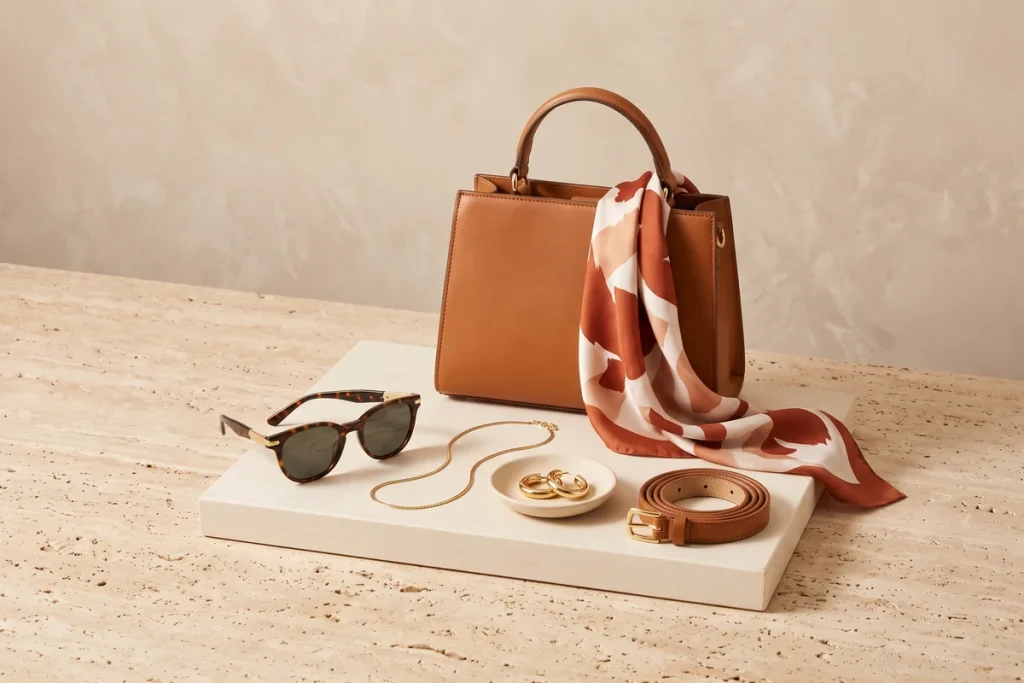
A popular merchandising strategy is cross-selling, or placing complementary products together to encourage customers to buy more.
Thoughtful displays help customers picture themselves using different products together. For example, if you display clothing and accessories together on a mannequin, customers might opt to buy the full outfit instead of individual items.
Using these cross-selling strategies throughout your store helps boost your average order value and makes for a better shopping experience.
How to place complementary items for cross-selling
There are a few different ways to place complementary items in your store, depending on the type of product you’re selling. The easiest way to do this is by placing items next to each other on shelves so customers see them at the same time and associate them with each other.
Another option is to create interactive displays, although this won’t work for all product categories. For example, when setting up your holiday merchandising displays, you could hang stockings on a wall next to a Christmas tree, with seasonal home decor items placed strategically around them.
Ecommerce brands can also use this strategy by recommending complementary products to online shoppers based on their activity. You can also use photos and videos that showcase products together.
How price point strategy reduces decision fatigue
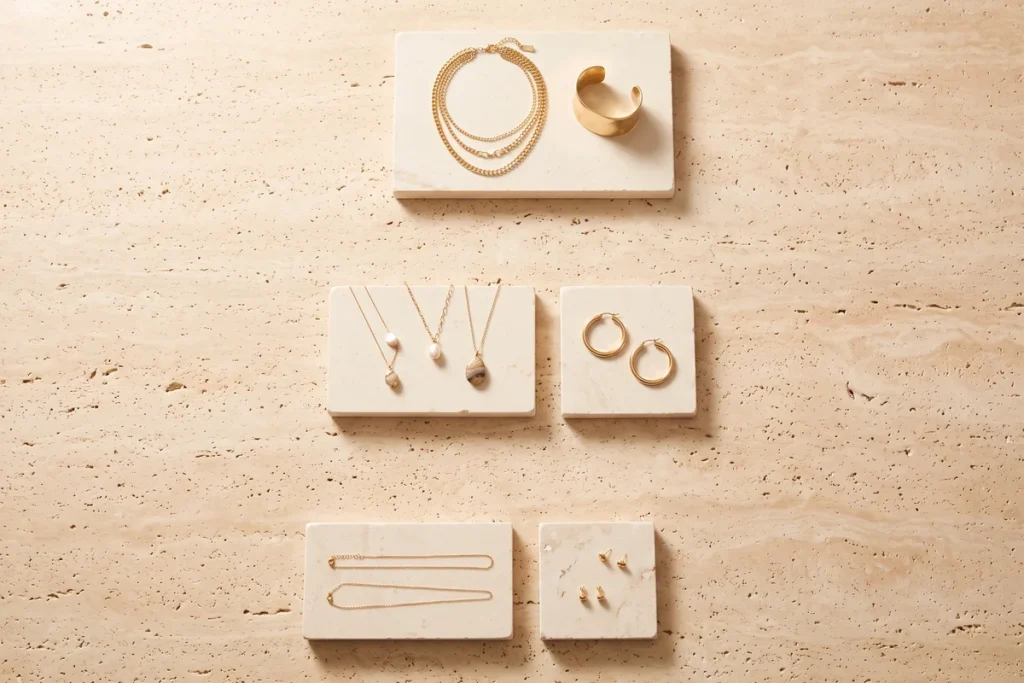
Price point strategy is the practice of grouping products by cost tiers, and it’s a key factor to consider when planning your merchandising. Many customers have a budget in mind when shopping, so this approach makes it easier for them to find products that fit it.
For example, if your store has a dedicated jewelry section, you might have multiple price point zones within that section. You could pair premium pieces together in one display, mid-range items on another shelf, and entry-priced items on an endcap. This makes it easier for customers to make final decisions after selecting a product category.
How to evaluate whether your merchandising is working
Merchandising works when it makes shopping feel intuitive: clear displays, obvious pairings, and easy price cues.
After you’ve put your merchandising strategy in place, it’s important to track how shoppers are responding to determine what is and isn’t working. There are two ways to track the effectiveness of your merchandising: with hard sales data and with qualitative customer feedback.
Start by looking at your top-selling items and identify where they are in your store. If these items are primarily in the same section, that’s an indication that those displays are working as intended. You’ll also want to look at your average order or transaction value. If it increases, that means your cross-selling displays were likely effective.
It’s also helpful to pay attention to qualitative feedback like online reviews or in-store conversations with customers. If customers are consistently confused about where to find certain items or frustrated by the in-store experience, you may need to make some changes.
How to adjust merchandising based on shopper behavior
It may take some trial and error to find a merchandising strategy that resonates with your shoppers. If a section or category is underperforming, here are some adjustments to consider:
- Move different products to eye level.
- Try different product groupings.
- Add or move signage to reduce confusion.
- Create more space between items to reduce clutter.
- Adjust the lighting so it flatters your displays without hurting visibility.
How Everful supports merchandising with consistent quality and fast replenishment
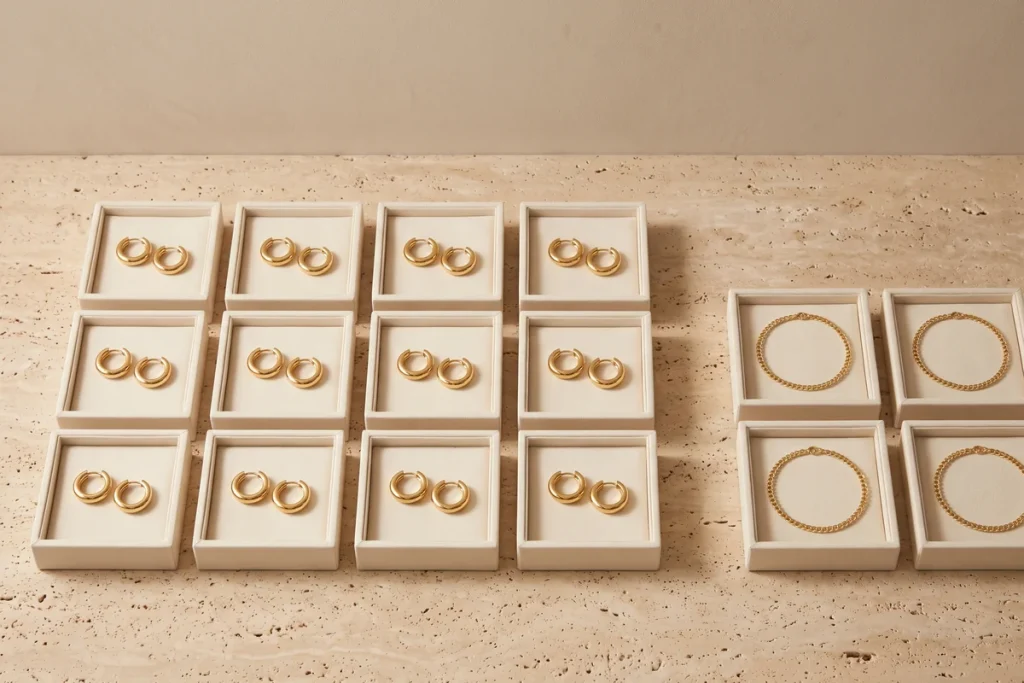
Everful offers factory-direct sourcing with a selection of over 20 million products to help you build a merchandising strategy that resonates with customers. Every order is hand-inspected before it ships, so you can count on consistent color, material, and finish for eye-catching displays.
Everful’s shipping options also help you fill display gaps quickly. On top of that, there are no minimums, which means you can order the exact quantity you need. No minimums also means you can test new merchandising strategies without the risk of overbuying.
Common questions about merchandising
What are the core elements of effective merchandising?
The core elements of effective merchandising are visual hierarchy, an intuitive store layout, clear signage and lighting, and logical product categories.
How can retailers evaluate whether their merchandising is working?
Retailers can evaluate whether their merchandising is working by monitoring sales volume and foot traffic for each section of the store, watching for increases in average order value, and assessing qualitative feedback from customers.
How does cross-selling fit into a merchandising strategy?
Cross-selling involves displaying complementary products next to each other to encourage shoppers to buy them together. Including cross-selling as part of your merchandising strategy helps increase your average order value.