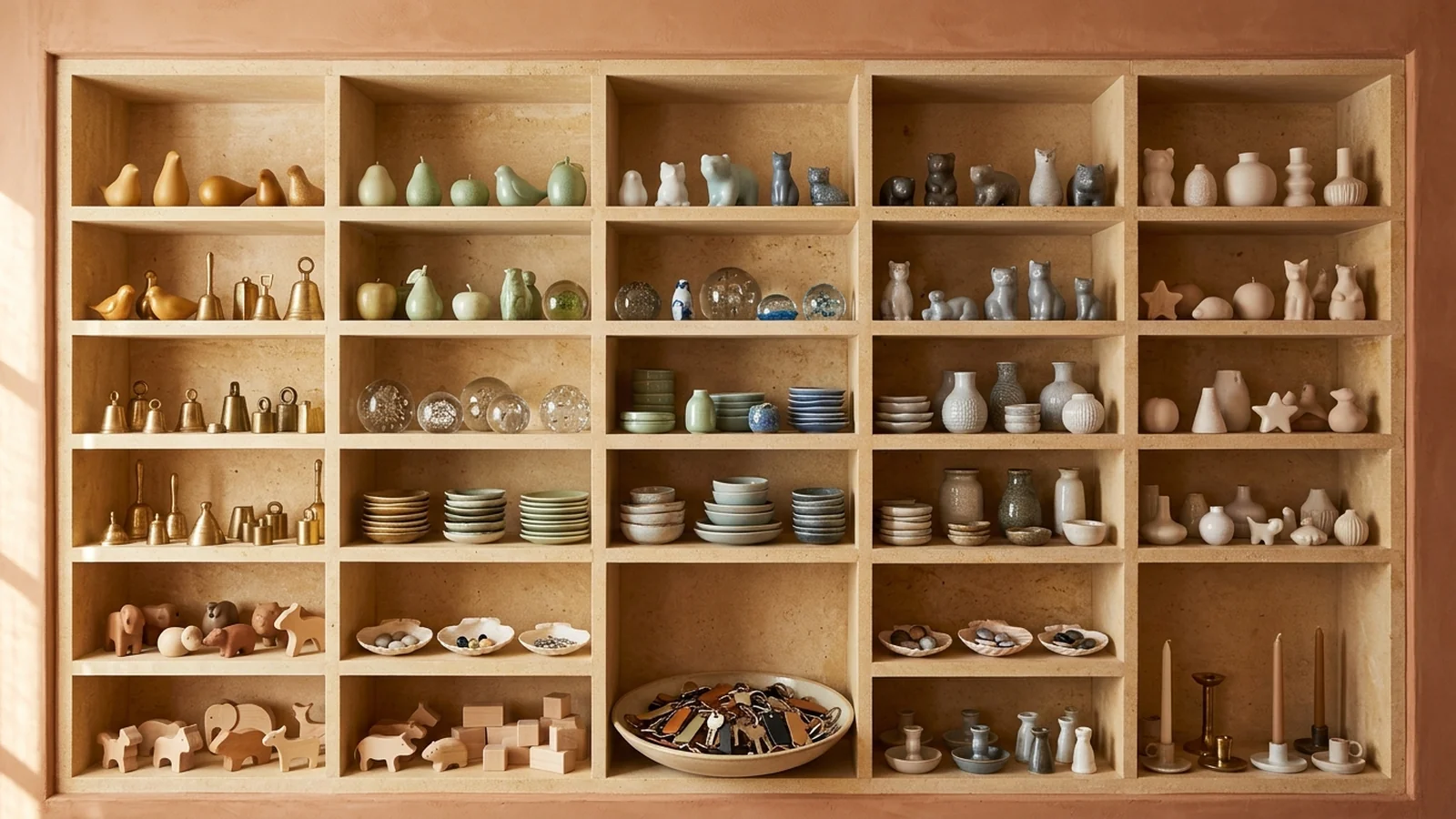
Limestone cubby shelves set into a terracotta wall holding ceramic birds and pears, animal figurines, brass bells, glass paperweights, stacked trinket dishes, small vases, shell dishes with stones, wooden animal toys and blocks, a bowl of keychains and candlesticks

Sourcing knick knacks, tchotchkes, and trinkets as shelf fillers

Knick knacks are the small, low-cost objects that fill out a shelf and catch a shopper on the way to the register, and paired with custom branding, they work well as event giveaways too. Priced right and placed well, they turn browsing into a few extra items in the basket. For a retailer, that is impulse margin from inventory that costs little to carry. This guide covers what to source, how to keep the cost per unit low enough to work as a filler, and how to merchandise the range for add-on sales.

KEY TAKEAWAYS
  • Knick knacks are impulse margin: small, low-priced pieces that add a line to an order the shopper already meant to place.
  • Fillers only pay off if they turn and cost little to stock, so look for small, broadly appealing items with a low landed cost.
  • Mix everyday, seasonal, and vintage-look styles so the shelf never reads static.
  • Merchandise near checkout and in high-traffic browse zones, priced clearly and refreshed often. See our holiday merchandising strategies for more.
  • Everful is factory-direct with no minimums, so you can trial a mixed shelf one piece at a time and reorder what moves.

Why shelf fillers drive impulse and add-on sales

A knick knack is almost never on a shopper’s list. It sells because it is small, low-priced, and in the right spot at the right moment: a low-consideration grab that adds a line to an order the shopper already meant to place. Fill a shelf with enough of them and a share of every browsing trip converts into an extra item or two.

The constraint is turn. Fillers only pay off if they move and cost little to stock, which means you want depth and variety without tying up cash. Everful adds more than 10,000 new arrivals every day, across categories like home and kitchen, accessories, and gifts, so you can keep the shelf refreshed and rotate in new looks as older ones stall.
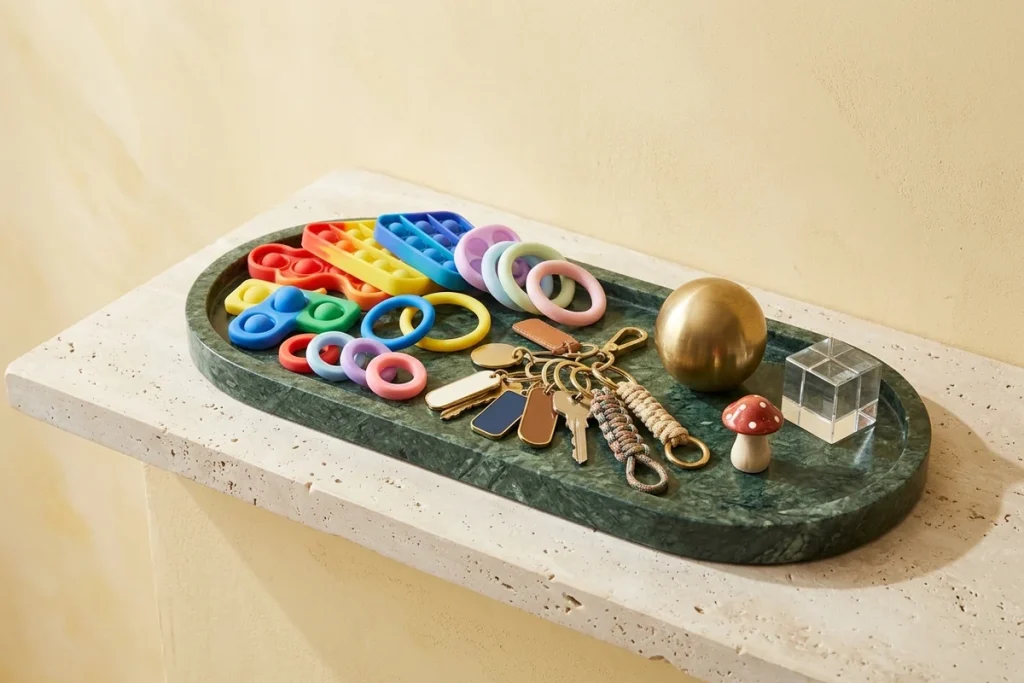
A green marble oval tray on a travertine ledge against a butter-yellow wall, holding silicone pop fidgets and rings, brass, leather, enamel and cord keychains, a brass sphere, a red-capped ceramic mushroom and a glass cube

How to source knick knacks and trinkets

Pick small, low-cost, high-turn items

A filler has to clear a simple test: priced low enough to sell on impulse, small enough to fit the shelf, and appealing enough to grab. Lean toward items with broad appeal and a low landed cost, like fidget toys, keychains, and desk décor. Sourcing trinkets and small decorative pieces factory-direct keeps the cost per unit low, which is the difference between a filler that earns margin and one that just occupies space.
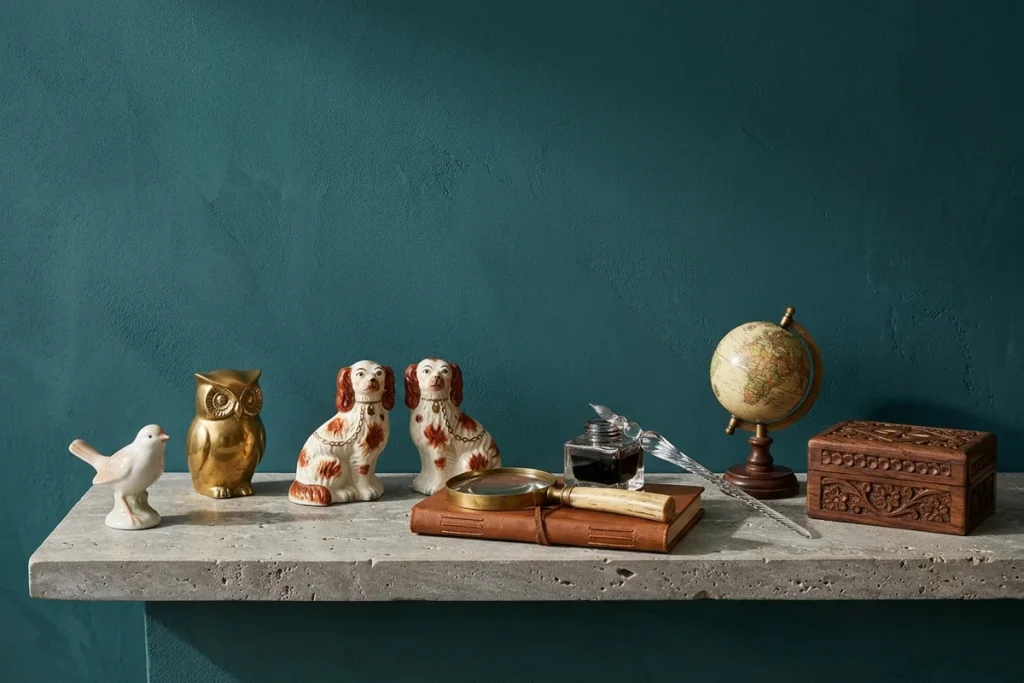
A travertine shelf against a teal wall with a porcelain bird, a brass owl, a pair of spaniel figurines, a brass magnifying glass on a leather journal, an inkwell with a glass pen, a small desk globe and a carved wooden box

Cover everyday, seasonal, and vintage-look styles

Mix three looks so the shelf never reads static: everyday pieces like figurines and trinket dishes for steady turn, seasonal décor to refresh with the calendar, and vintage-look décor for the shopper drawn to retro and nostalgic styles. The variety is what keeps a browser looking.

Merchandise near checkout for impulse buys

Fillers sell on impulse, so put them where impulse happens: a tray or shelf by the register, or a small display in a high-traffic browse zone, priced clearly and refreshed often. Grouping by look or theme helps the shopper find the one that clicks. The same item in a back aisle sells a fraction as well.
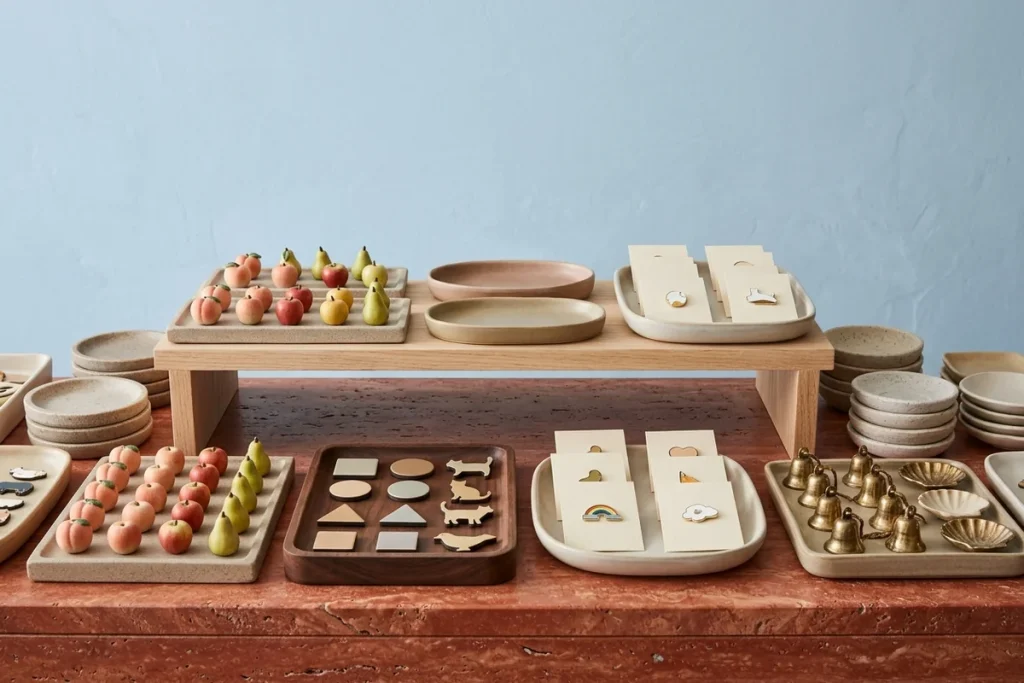
A red travertine counter with an oak riser against a sky-blue wall, holding trays of ceramic peaches, apples and pears, geometric and animal magnets, enamel pins on blank cards, brass bells, shell dishes and stacked speckled trinket dishes

What to stock as shelf fillers

Trinkets, tchotchkes, figurines, and decorative accents

The reliable core: small figurines, trinket dishes and trays, decorative objects, magnets, and little accents that read as a low-cost treat. These clear steadily because they suit a wide range of shoppers and gift occasions. Anchor the shelf here and treat seasonal and novelty pieces as the rotation on top. They can also elevate a gift-shop purchase and build out the core of a gift. Like every Everful order, they are hand-inspected before they ship, whatever the factory-direct price.

Seasonal and novelty picks

Rotate in seasonal and novelty items to keep the shelf current: holiday accents, themed magnets and pins, and trend-led pieces. These spike around holidays and gifting moments, so weight the order toward them as those windows approach, then clear and refresh. Brands can also use them for small team giveaways, as promotional products people keep on a desk or keyring.

How to source shelf fillers with no minimum order

Fillers are a test-and-reorder game: you cannot know which small items turn until you put them out. Everful has no minimums, so you can start with a single piece on most products, trial a mixed shelf, and reorder what moves. Every order is hand-inspected before it ships, which matters when the whole shelf is low-ticket and a batch of defects would erase the margin. Start by exploring a range of trinkets to decide what fits your store or offering.
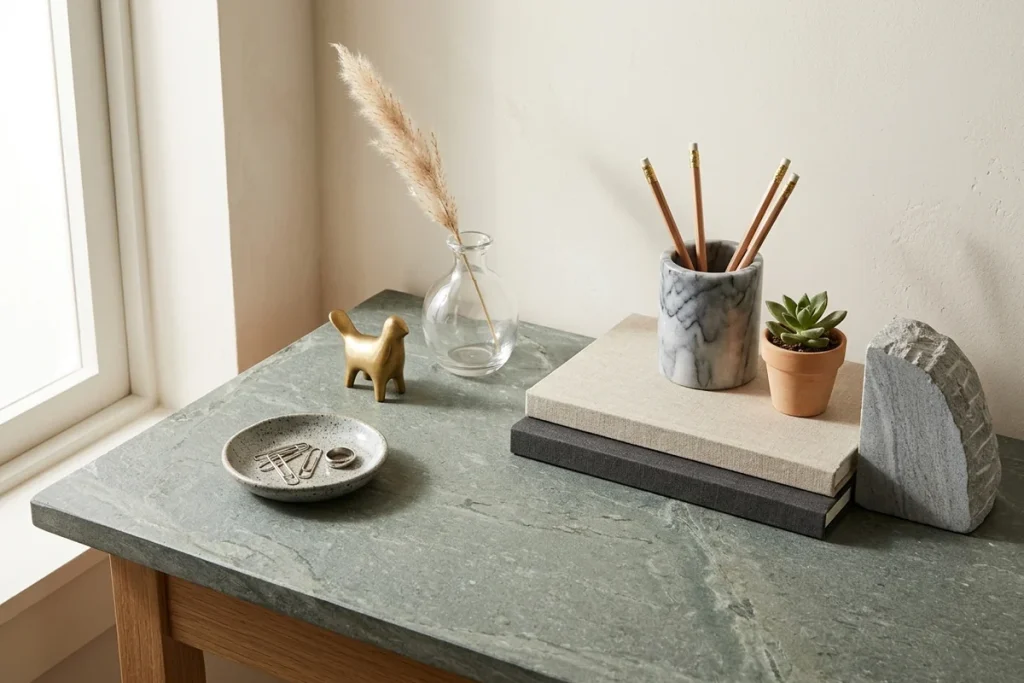
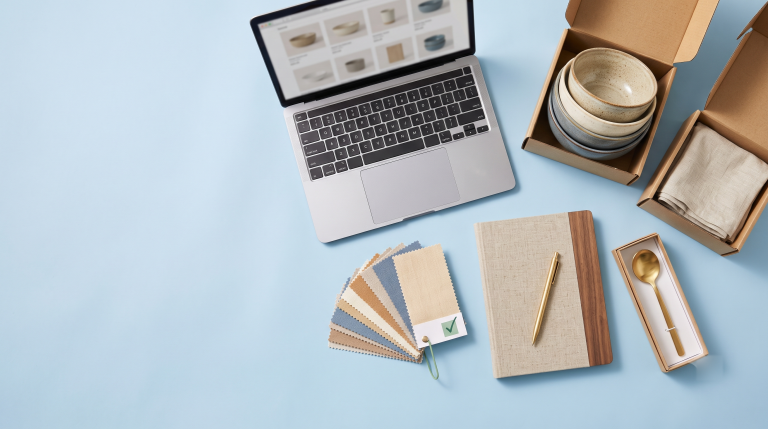
A green-grey stone desktop by a window with a speckled dish of paper clips and a ring, a brass dog figurine, a glass vase of pampas grass, linen notebooks, a marble pencil cup, a succulent in terracotta and a stone bookend

Common questions about tchotchkes and shelf fillers

What is a knick knack?
A knick knack, also called a tchotchke or trinket, is a small, inexpensive decorative object. In a retail setting, these are the low-cost pieces that fill out a shelf and sell on impulse rather than as a planned purchase.
Where do gift shops buy knick knacks wholesale?
From wholesale suppliers that carry small decorative items at a low cost per unit. Factory-direct sourcing is the key, since the margin on a low-ticket filler depends on keeping the landed cost down.
What are good impulse buy items for retail?
Small, low-priced, broadly appealing objects placed where shoppers pause: trinkets, figurines, magnets, and little accents near the register. The strongest impulse items need no deliberation and cost little enough to add without a second thought.
How do you merchandise small items at checkout?
Group them in a tray or small display, price clearly, and refresh often so regulars keep noticing something new. Keep the tiers simple and the placement in the natural path to the register, where the add-on decision happens. Checkout is a core upsell opportunity for larger department stores, but retailers of any size can use it.
What small gifts sell fastest as shelf fillers?
Decorative accents and giftable trinkets with wide appeal: trinket dishes, small figurines, magnets, and seasonal pieces. Items that work as a small self-treat or a quick add-on gift turn fastest.

You Might Also Like

  • |

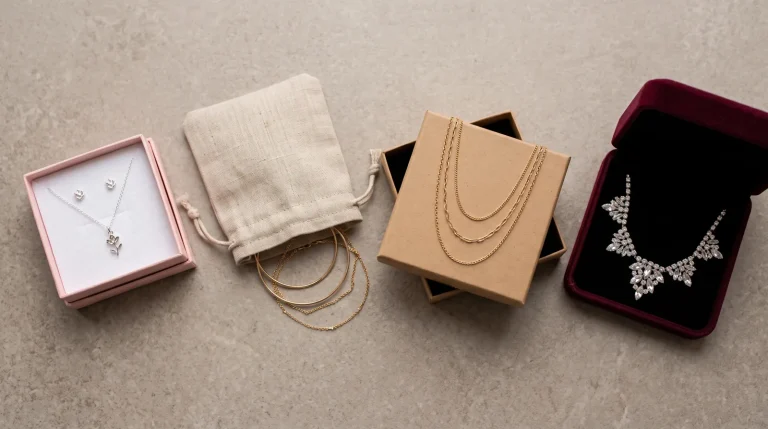
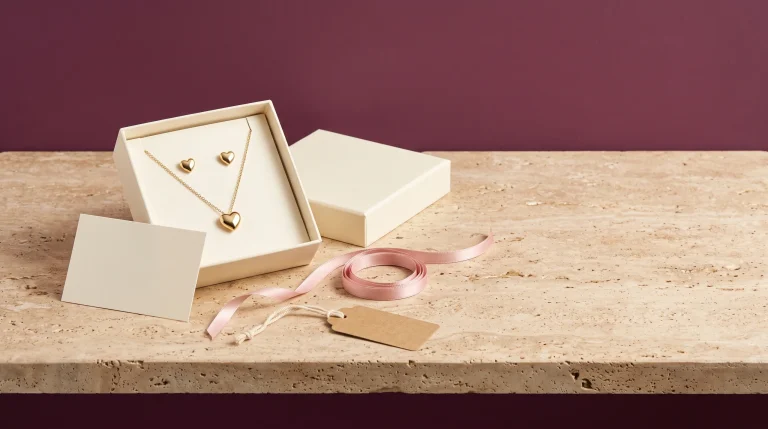
    How to build Valentine’s Day gift sets for your boutique

    Valentine’s Day is one of the few gifting moments where a small boutique can outsell a big-box retailer, because shoppers are not hunting for the cheapest option. Here is what actually sells, how to build an assortment around a single strong jewelry story rather than a scattered hundred SKUs, and when to place the order so the stock is on the shelf before traffic builds in January.

  • |

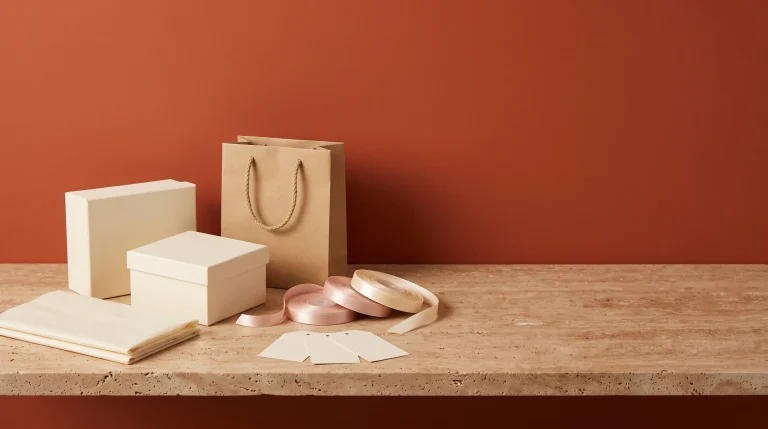
    Holiday packaging for retailers: bags, boxes, and presentation

    Packaging is the one Q4 category most retailers source last and sell hardest. It sits at the register when the buying decision is already made, it makes everything around it look more expensive, and it is the difference between selling a bracelet and selling a bracelet in a box. Here is what to stock across bags, boxes, pouches, tags and ribbons, how to judge a sample in under a minute, how to build depth across price tiers, and how to merchandise the lot so it sells itself.

  • |

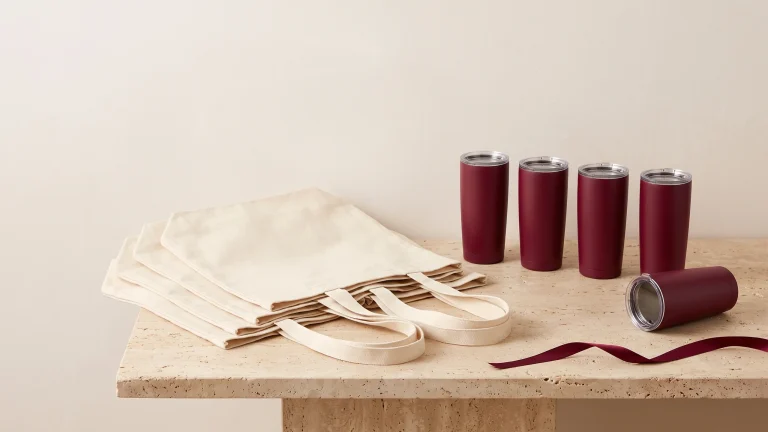
    Event gifting at scale: custom fulfillment for conferences and brands

    Event gifting has a short window and a long tail. Hundreds or thousands of attendees pass a gifting table in a few hours, and what they carry home either keeps the brand in front of them for months or lands in a hotel trash can. Here is what attendees actually keep, how the job changes from a small summit to a festival-scale activation, how to plan around pickup rate instead of registrations, what custom branding and fulfillment take off a planner’s desk, and where to source at scale with no minimum order.

  • |

    First day of school gifts for your classroom

    A small gift on the first day sets the tone for the whole year. The trick is doing it for a full class without overspending. Here is what students genuinely use, how to build a set from one usable supply, one fun item and one small keepsake, what to budget per student for a class of thirty, and where to source the components in volume without committing to a large minimum.

Leave a Reply

Your email address will not be published. Required fields are marked *