How to build accessory bundles for your store
A bundle is the easiest way to sell a shopper more than one thing. She came in for a pair of earrings, and a well-built set shows her the necklace, the hair clip, and the bag that finish the look, so she leaves with four pieces instead of one. Bundling curated accessories does the merchandising for her, which is exactly what turns a single-item purchase into a higher-ticket sale. Done well, it lifts average order value without a markdown doing the heavy lifting.
This guide covers why bundles raise average order value, how to build a set that actually sells, what to put in one, and where to source the pieces without committing to large minimums.
- Accessories are bought to complete a look, so a curated set answers the question the shopper already has and grows the basket from the same foot traffic.
- Build each bundle around a hero piece, then add items that share a metal tone, a color palette, or an occasion.
- Price the set a little below the sum of its parts and show the individual prices beside it, so the value is visible and your blended margin holds.
- Name the bundle around a moment or a look, like date night or wedding guest, so the shopper can picture using it or giving it.
- Carry both complete-the-look sets for everyday sales and gift-ready or seasonal sets for the peaks.
- Sourcing with no minimums lets you test bundle combinations, reorder the sets that sell, and retire the ones that do not.
Why accessory bundles lift average order value
Bundles work because they answer a question the shopper already has: what goes with this? Accessories are bought to complete a look, so a curated set removes the guesswork and gives the shopper permission to buy the whole thing at once. The result is a larger basket from the same foot traffic, which is the most efficient sales lift a store can get. This strategy works for businesses of all sizes, from independent stores to large department stores.
A bundle also moves slower pieces alongside the hero. Pairing a fast-selling earring with a complementary bracelet or hair clip pulls the quieter item through, and it lets you build a set that reads as a value without cutting the price on your bestseller. The shopper feels they got a curated look, and you moved more units per transaction. That is the whole appeal.
Illustrative. Pieces per transaction when one shopper buys the set in place of the single item.
How to build a bundle that sells
A bundle only works if it feels intentional. A random group of marked-down items reads as clearance. A considered set reads as a look worth buying. The difference comes down to what you pair, how you price it, and what you call it. Below are the three moves that matter.
Pair complementary pieces, not random ones
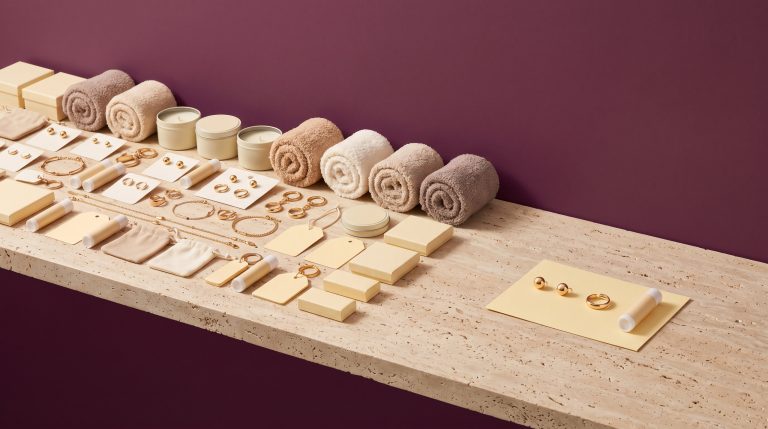
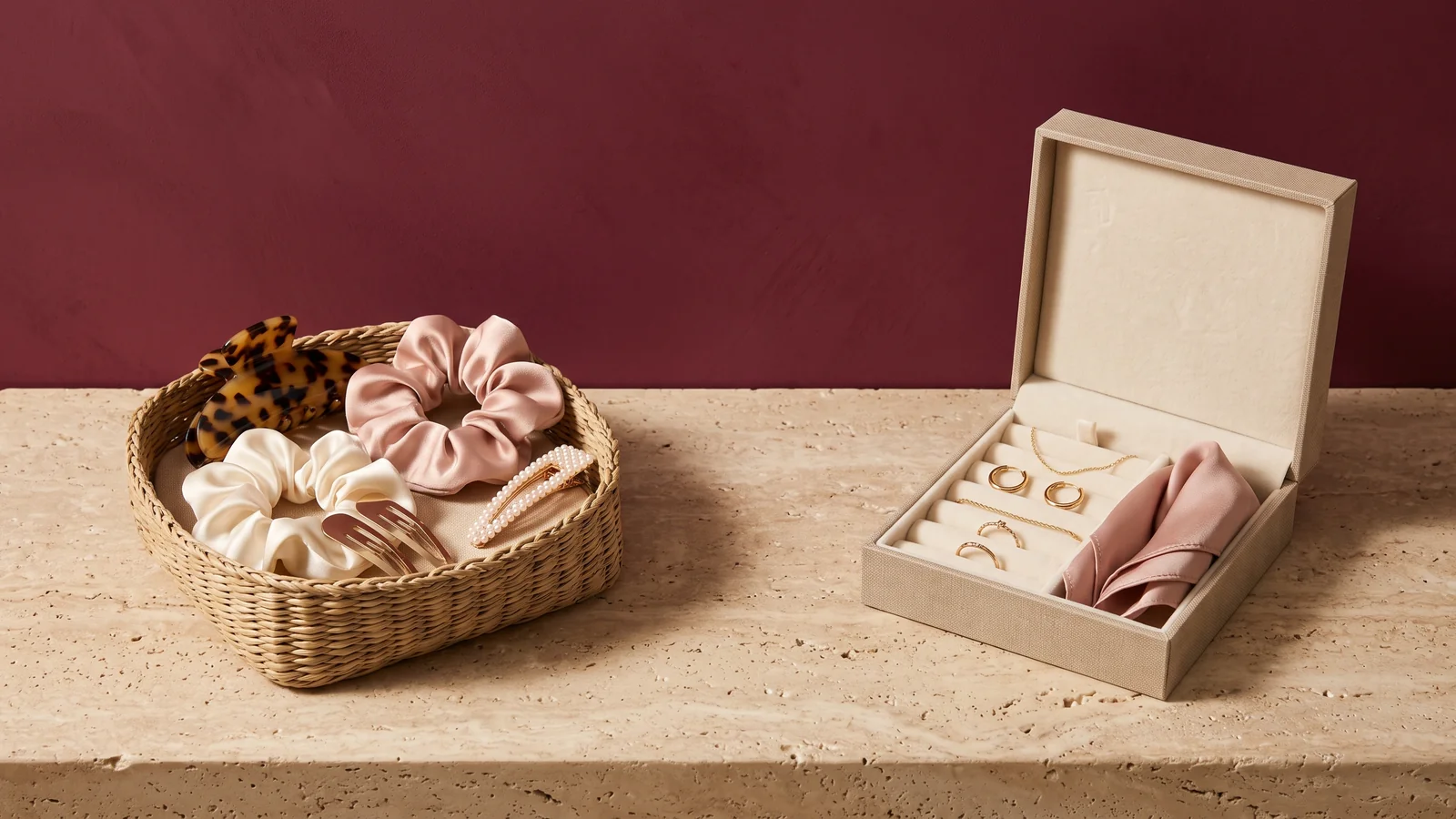
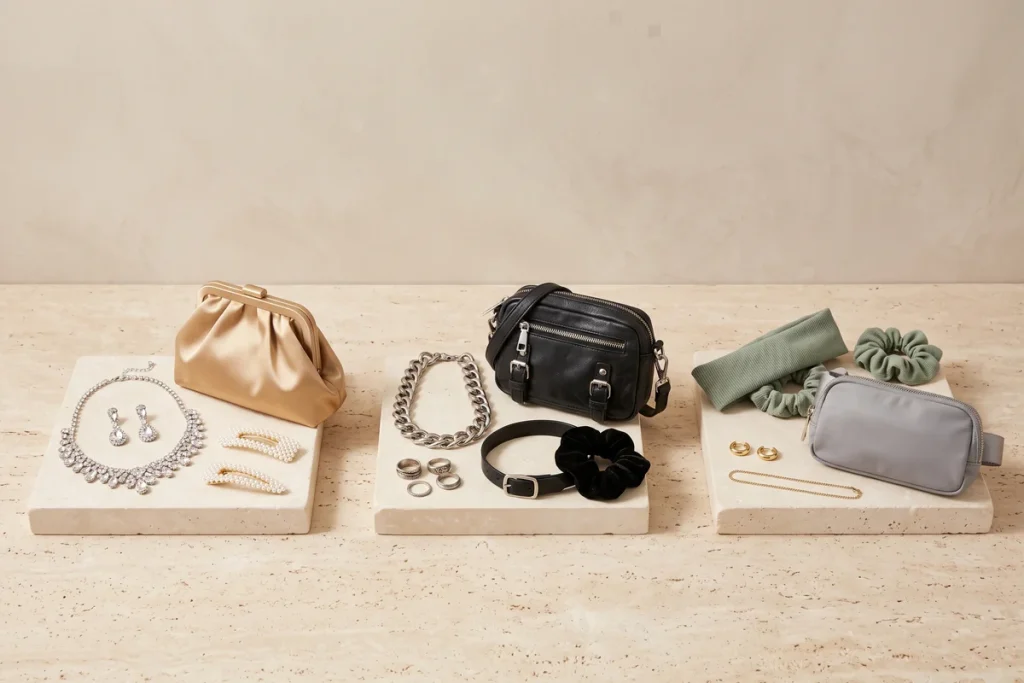
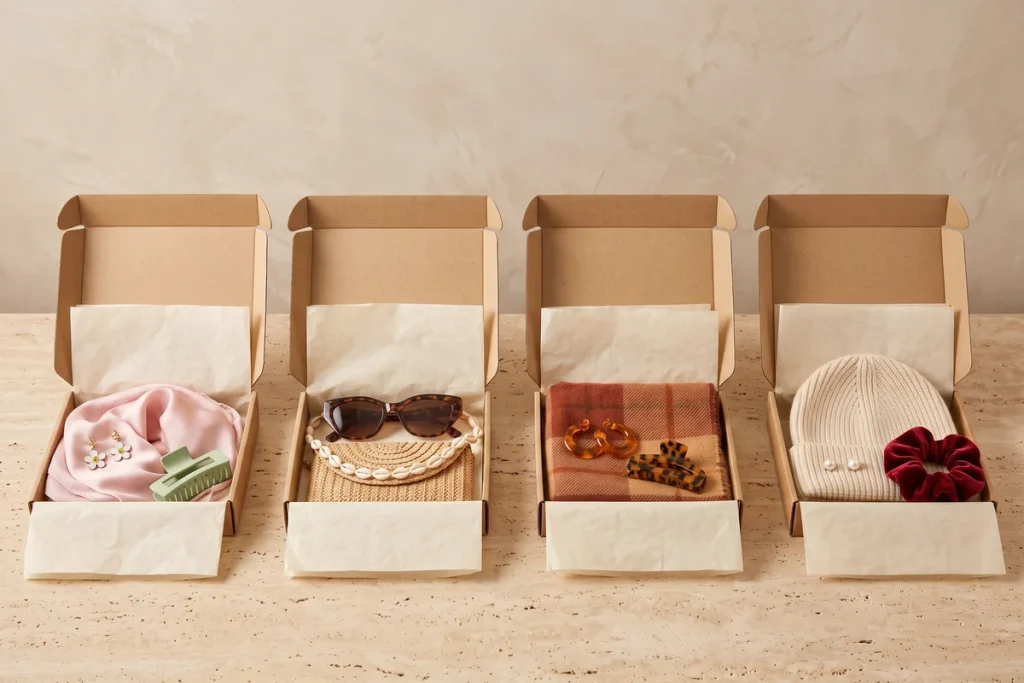
Start with pieces that genuinely go together. Build around a hero item, then add what completes it: a necklace-and-earring set as the core, a coordinating chain bracelet, a hair accessory in the same color story, and a bag that finishes the outfit. The test is simple: would a stylist put these together? Matching a metal tone, a color palette, or an occasion is what makes a set feel curated and not thrown together, and it is what earns the higher price.
| Hero piece | Pairs with | What ties them together |
|---|---|---|
| Necklace-and-earring set | Chain bracelet | Metal tone |
| Hair clips | Hair extensions | The same styling moment |
| Earrings | Replacement earring backs | A practical add-on |
| Handbag | Scarf or hair accessory | Color palette |
Price the set for value without losing margin
A bundle should feel like good value without being sold as a markdown. The most reliable way is to price the set a little below the sum of its parts while keeping your blended margin intact, since you are moving more units and pulling through slower stock. Anchor the value by showing the individual prices next to the set price so the saving is visible. Because you source the components at factory-direct prices, there is room to offer that value and still protect the margin on the bundle.
Name the bundle around the moment or look
A named set sells better than a pile of items. Frame the bundle around a moment or a look the shopper recognizes, such as a date-night set, a summer-vacation kit, or a wedding-guest look, so they can picture using it. The name does the styling in their head and makes the set giftable, since a buyer can hand over a complete look in place of a single piece. Signage that names the moment turns the bundle from a stack of stock into a reason to buy.
What to put in an accessory bundle
The strongest bundles fall into two broad types: the complete-the-look set built around an outfit, and the gift-ready or seasonal set built around an occasion. Carrying a few of each keeps the store’s bundling fresh and gives shoppers a reason to trade up.
Complete-the-look sets
Complete-the-look sets are the everyday workhorse. Build them around a wearable core: a matching jewelry set, a scarf or coordinating hair accessory, and a handbag that ties the palette together. The point is to hand the shopper a finished outfit’s worth of accessories in one set, so the styling decision is already made and the basket grows on its own.
Gift-ready and seasonal bundles
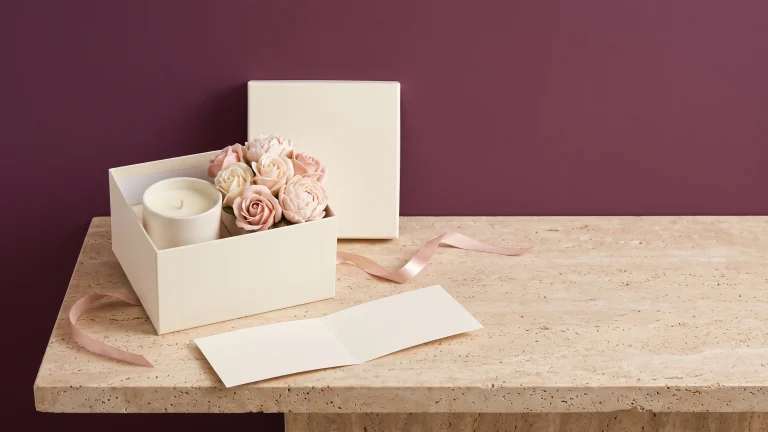
Gift-ready and seasonal bundles carry the peaks. Package a curated set in giftable presentation for the holidays, Mother’s Day, or a bridal party, and rotate seasonal looks for summer, festival season, and back-to-school so the display always feels current. These sets sell at a higher ticket because the buyer is purchasing a finished gift, not assembling one, and they move seasonal accessories that might otherwise sit loose on a shelf.
How to source accessories with no minimum order
Bundling depends on variety, and variety is hard when every component carries a large minimum. To build sets across jewelry, hair, and bags, you need to buy a range of pieces in the right quantities without overcommitting to any one. Sourcing with no minimums makes that possible: you can test bundle combinations, reorder the sets that sell, and retire the ones that do not, all without sitting on dead stock.
Everful connects retailers directly to factories with no minimums and factory-direct prices, so you can source every component of a bundle, from jewelry sets to bags, build curated looks, and reorder only what moves.
Common questions about accessory bundles
How should a boutique create accessory bundles to sell?
Build each bundle around a hero piece and add complementary items that share a color, metal tone, or occasion. Price the set a little below the sum of its parts while keeping your blended margin, name it around a moment or look, and source with no minimums so you can test combinations before committing.
What accessories sell well bundled together?
Matching necklace-and-earring sets pair naturally with a coordinating bracelet, a hair accessory, and a bag to complete the look. Seasonal and gift sets, packaged for occasions like the holidays or a bridal party, also sell strongly because the buyer gets a finished look in one purchase.
How do you price an accessory bundle for retail?
For retail stores, price the set slightly below the combined price of the individual pieces so the value is visible, but keep your blended margin intact by pulling slower stock through alongside the hero item. Showing the individual prices next to the set price anchors the saving without turning the bundle into a markdown.
How do you build a complete-the-look accessory set?
Start with a wearable core such as a matching jewelry set, then add a hair piece, a scarf, and a handbag in the same palette so the shopper gets a finished outfit’s worth of accessories. The set makes the styling decision for them, which is what grows the basket.
Where can a boutique source accessories with no minimum order?
Everful lets retailers source jewelry, hair accessories, and bags directly from factories with no minimums, so a boutique can build bundles across categories, test combinations, and reorder the sets that sell without committing to a large upfront order.