How to build handmade gift sets and baskets to sell
A gift set is two things working together: the items inside it and the packaging that presents them. A maker who gets both right builds a product that sells for more than the sum of its parts, because the customer is buying a finished, giftable thing and not a pile of components. Source only the wrapping, or only the contents, and you leave margin on the table.
This guide covers how to choose the contents, how to package them, a step-by-step for assembling a set worth selling, and where to source both the items and the packaging with no minimum order.
Key takeaways
- A sellable gift set has two layers, the contents and the packaging. Source both wholesale and a bundle becomes a product with real margin.
- The contents carry the theme. A tight one, self-care, coffee, home, tells a customer instantly who the set is for.
- Packaging is the layer makers underestimate. The container, filler, closure, and finishing touch do the work of justifying the price.
- A repeatable build, standardized on a few container sizes, keeps a gift set line profitable as it scales.
- Custom branding puts your store name on every set, and custom fulfillment applies the packaging and labeling before the order ships.
- No minimum order, starting with a single piece on most products, lets you test a new set before committing stock to it.
What goes into a gift set
A gift set has two layers, and both decide whether it sells. The first is the contents, the actual items a customer is paying for. The second is the packaging that holds and presents them. Makers tend to obsess over one and underestimate the other, but a set needs both to read as finished. Source them together and the per-set cost stays predictable.
Choosing the contents
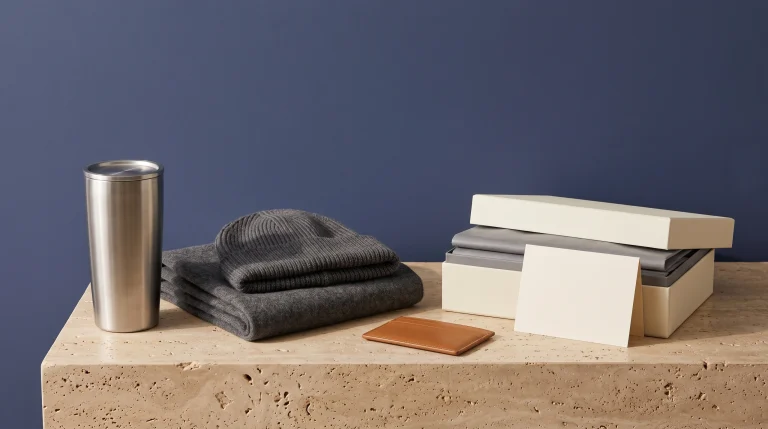
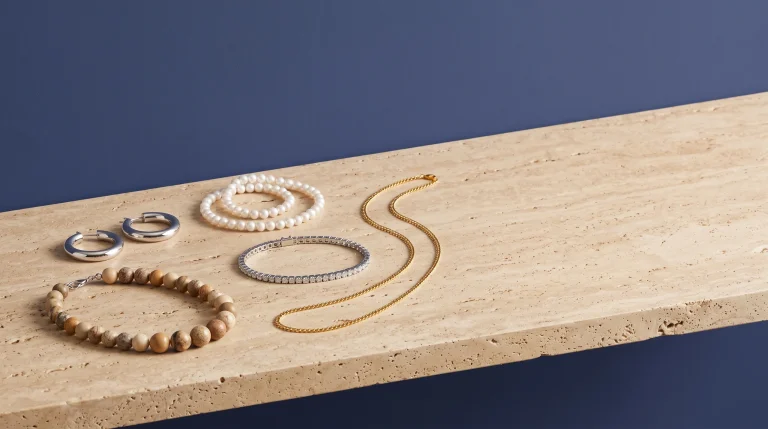
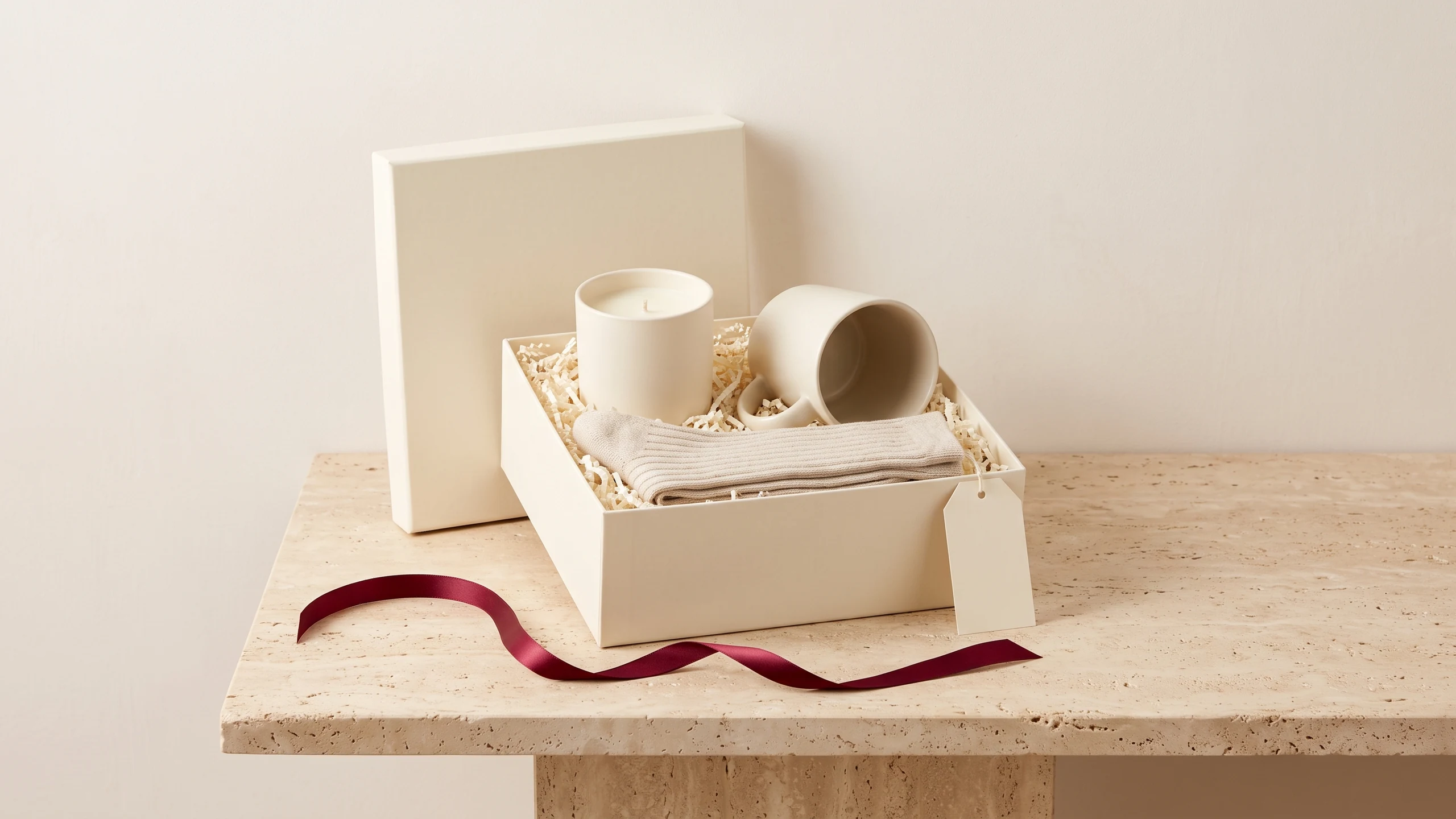
The contents carry the theme, and a clear theme makes a set easy to sell. Pick a small group of items that belong together and read as a single idea: candles and a mug for a cozy-night set, bath and body pieces for a self-care set, or home decor for a housewarming set. Two to four items is usually the sweet spot, enough to feel generous and few enough to keep the price and the assembly manageable. The gift sets and gift bundles collections show how items get grouped in practice.
Sourcing boxes and packaging
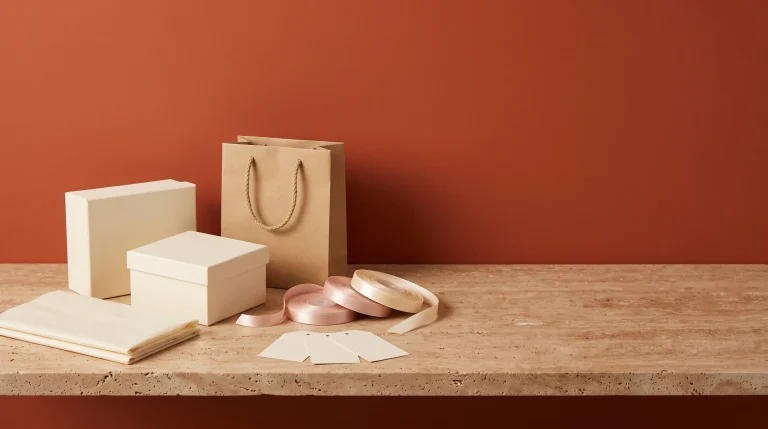
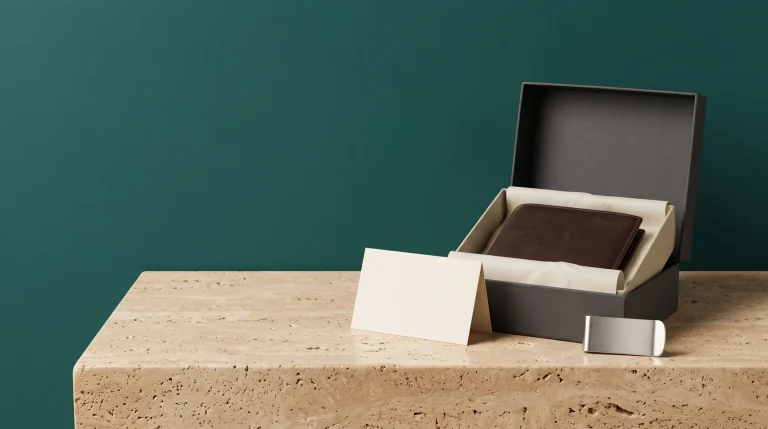
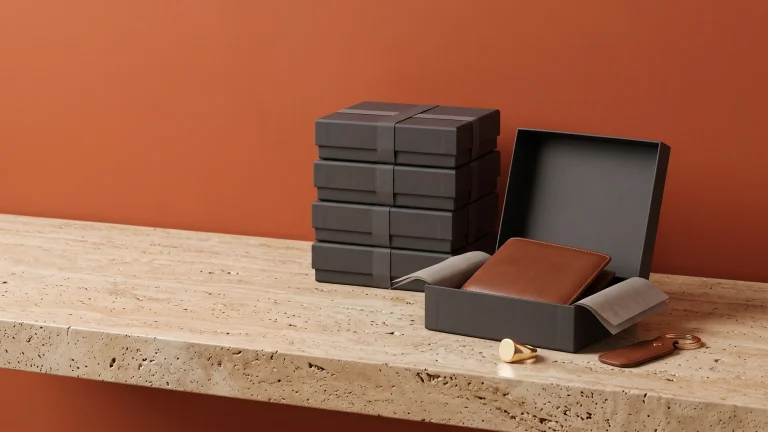
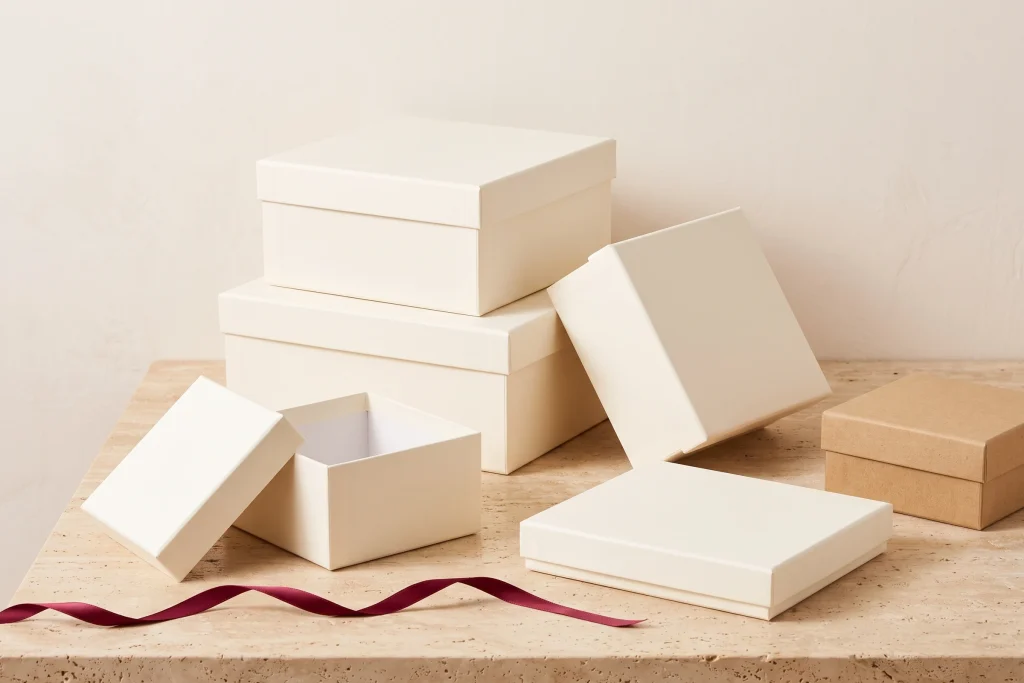
The container sets the tone. Rigid gift boxes with lids read as premium and suit higher-priced sets, while kraft boxes and mailers suit a rustic or eco-minded brand. Buying boxes wholesale, in a small range of sizes, lets you standardize your sets and reorder consistently instead of hunting for packaging each time. Boxes are usually the costliest packaging component, so factory-direct pricing there protects the margin on the whole set.
Bags, ribbon, and finishing touches
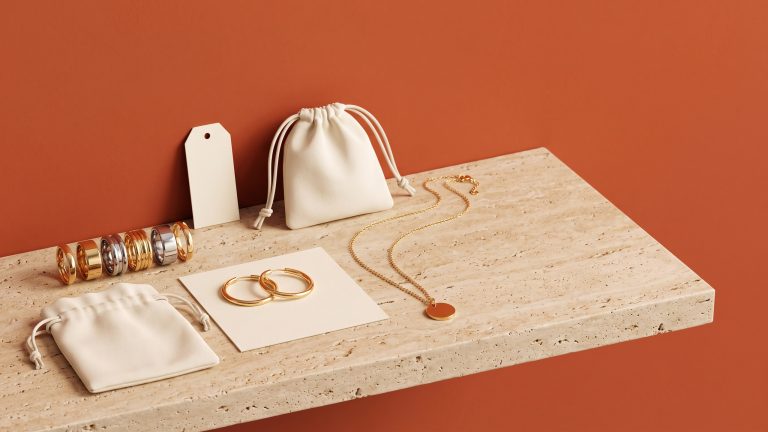
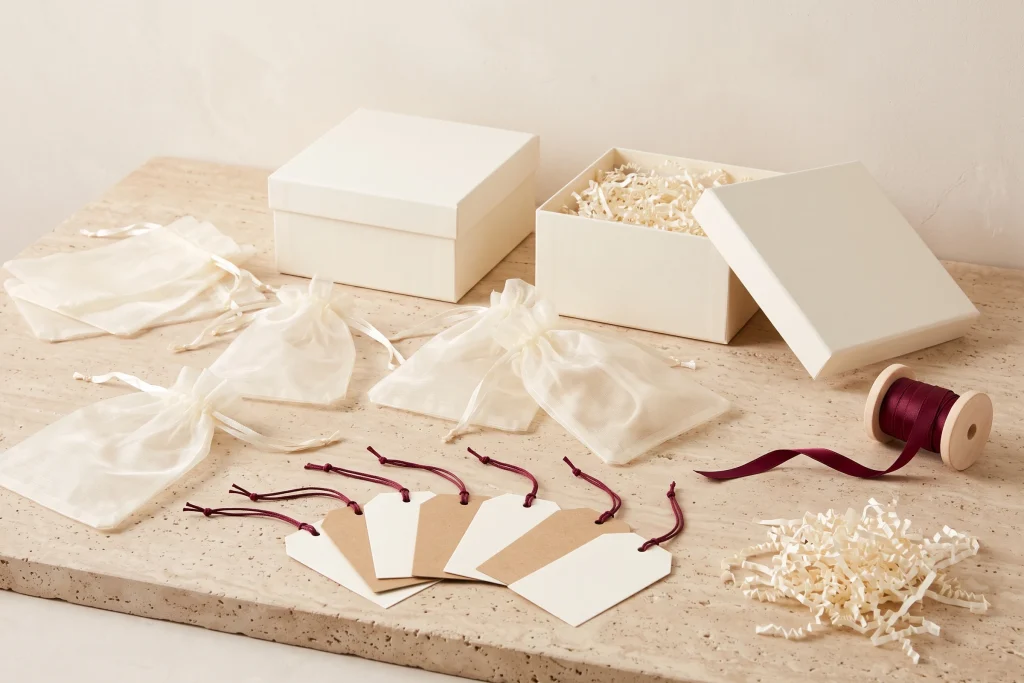
Not every set needs a box. Organza bags, kraft paper bags with handles, and cellophane suit lighter or lower-priced sets and cost less than rigid boxes. Ribbon, tissue paper, shredded filler, and printed tags are the finishing touches that lift a set from assembled to gift-ready. They are inexpensive per unit but add up across volume, so buying them wholesale matters as much as the boxes do.
- What it is
- Lidded gift boxes in a short range of standard sizes
- Suits
- Premium sets, where the container is part of what the customer is buying
- Finish with
- Shredded filler, a ribbon tie, and a printed tag
- What it is
- Sheer organza bags or kraft paper bags with handles
- Suits
- Lighter and lower-priced sets, and multi-buy tiers sold alongside a flagship
- Finish with
- Tissue, a drawstring or handle tie, and a tag
- What it is
- Cellophane, tissue, and ribbon with no rigid container
- Suits
- Baskets and irregular shapes a standard box will not take cleanly
- Finish with
- A gathered closure, a hand-tied bow, and a card
How to build a gift set to sell, step by step
- Pick a theme and a price point. Decide who the set is for and roughly what it should cost before you source anything. The theme drives every item choice that follows, and the price point tells you how much you can spend on contents versus packaging.
- Source the contents. Choose two to four items that share the theme and photograph well together. Order a small run first to check they look right side by side before committing to the set.
- Choose the container. Match the box or bag to the price point: a rigid box for a premium set, an organza bag or kraft box for a lighter one. Standardize on a couple of sizes so you can reorder without redesigning.
- Add filler and a closure. Cushion the contents with shredded paper or tissue, then close or wrap the set so it travels without shifting. This is the cheap step that makes the set feel considered.
- Finish and personalize. Add the finishing touch that carries your brand: a printed tag, a ribbon, or a store name. Custom branding puts that mark on the packaging across the whole line instead of on one set at a time.
- Price, test, and scale. Price the set above the sum of its parts, sell a small run, and reorder the sets that move. As volume grows, custom fulfillment applies your packaging and labeling before the order ships and splits deliveries on a schedule you set, so stock arrives ready to shelve and sell.
Buying components in volume without overordering
The trap with wholesale is large minimums that force you to buy hundreds of a box size or an item you may not use. That ties up cash and storage. The better approach is to standardize on a few sizes and formats, then buy those at volume from a supplier that does not set a large minimum on every item. That way you can test a new set, box size, or ribbon color on a small run before committing to it across your whole line.
Where to source gift set components with no minimum order
Everful connects makers directly to factories with no minimum order and factory-direct prices, so you can source both the contents and the packaging for your sets and scale up only what sells. Build your line, starting with a single piece on most products.
The contents and the packaging a gift set line is built from sit in the Gift Sets collection.
Common questions about handmade gift sets
What do I need to build a gift set to sell?
Two layers: the contents, two to four themed items a customer pays for, and the packaging, a container, filler, a closure, and a finishing touch. Sourcing both wholesale keeps the per-set cost predictable and the margin intact.
How do you build a gift basket step by step?
Pick a theme and price point, source two to four themed items, choose a container, add filler and a closure, finish with a branded tag or ribbon, then price it above the sum of its parts and test a small run before scaling.
Where do gift set makers buy supplies wholesale?
Many makers source both contents and packaging directly from factories to protect margin and avoid distributor markups. Everful lets makers source with no minimum order on items, boxes, bags, ribbon, and filler.
What goes in a gift set besides the products?
Filler to cushion and fill space, a closure or wrap, a finishing element like ribbon or a bow, and a printed tag or card. These low-cost components make a set look finished and justify pricing it above its parts.
Can I buy gift set supplies at volume with no minimum?
Yes. Everful lets makers source contents and packaging in volume with no minimum order, starting with a single piece on most products, so you can carry a range of sets without overbuying any single item.