
What makes an accessory a reliable year-round seller
Year-round accessories are a wardrobe staple: every shopper needs versatile pieces that work in every season and with every outfit. They are also some of the most reliable products a…

Year-round accessories are a wardrobe staple: every shopper needs versatile pieces that work in every season and with every outfit. They are also some of the most reliable products a…
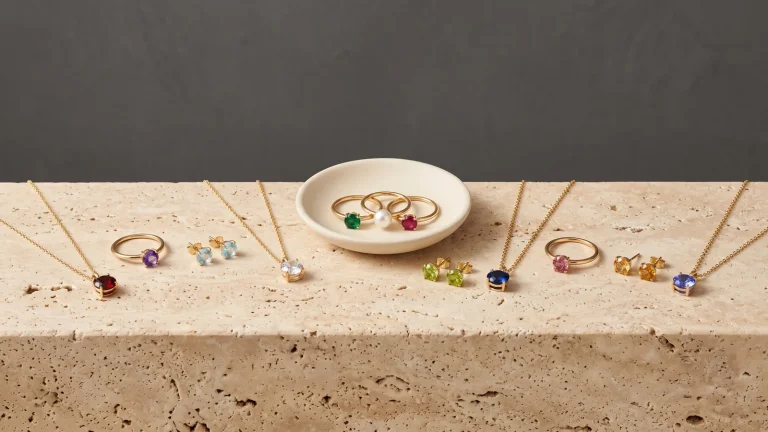
Every customer has a birthstone, and so does everyone they shop for. Here is how to build a birthstone selection that covers all twelve months and both stone systems, what to stock across necklaces, rings and family pieces, and how to plan around Mother’s Day and the other gifting peaks.
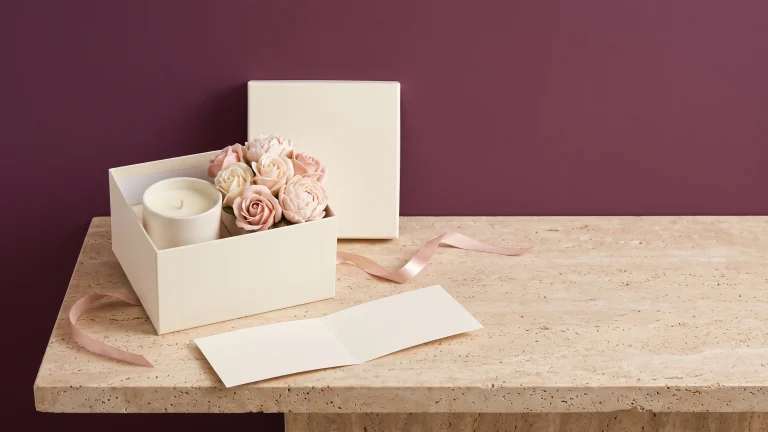
The gifts-for-her category is one of the steadiest earners a boutique can carry. It never really goes out of season, spans every price point from register impulse buys to boutique gift sets, and it draws shoppers buying for someone else. Here is why the category drives revenue, what sells within it, how to tier the assortment from under-$5 impulse buys to assembled sets, and where to source it with no minimums.
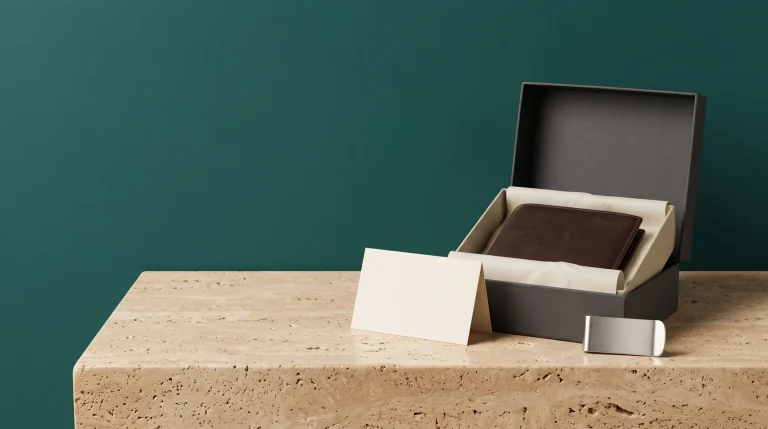
Gifts for him is the smaller half of most gifting assortments and the half shoppers hunt hardest for. The buyer is usually shopping for someone else and unsure what to pick, so a clear, curated men’s section is what closes the sale. Here is which product groups carry the category, how to build a religious sub-section, how to price the assortment across three tiers, and where to source every part of it with no minimum order.
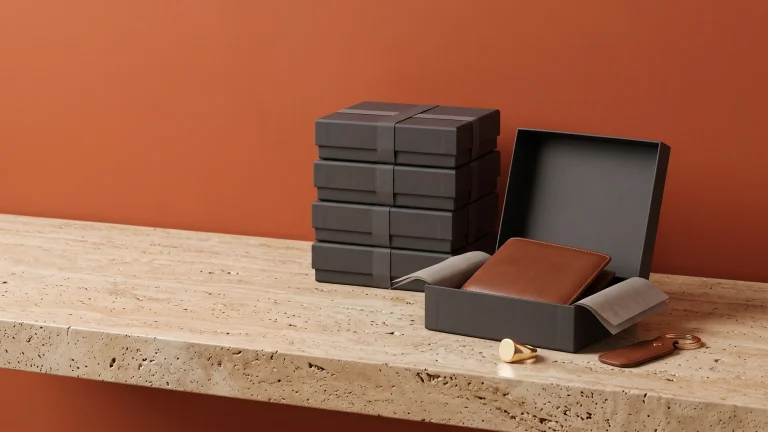
Groomsmen gifts are the rare wedding purchase a groom makes four, six, or eight times over. That turns the job from choosing one perfect gift into building one repeatable set at a cost that holds across the whole party. Here is the structure that works, which components photograph well and actually get used, how to price the set at three tiers, and how to source every part in the exact count you need.

Mother’s Day rewards boutiques that sell a finished gift rather than a product. The customer walking in has a deadline, a person in mind, and limited patience for assembling something themselves. Here is what sells, how to build three or four finished sets around a personalized jewelry core, how to tier them from counter impulse buys to the higher-ticket boxed pair, and when to place the order so the stock is on the shelf before traffic builds in late April.

Bridesmaid gifts are one of the few wedding categories where the buyer wants a finished set and will pay not to have to build it herself. The margin sits in the assembly, not in the pieces. Here is what goes into a set, where to source the jewelry and the packaging, how to buy components in counts that divide cleanly into a wedding party, and how to price the result so there is a complete set at every budget.
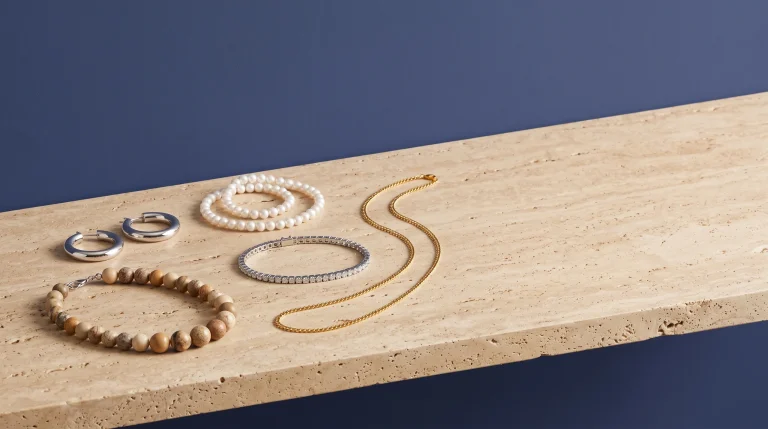
December does more for a jewelry counter than any other month of the year, and 2026 is rewarding retailers who stock deliberately rather than broadly. Here is what is moving across party pieces, everyday layering, cold-weather accessories, and gift-ready formats, what the price-up units-down data means for how you build depth, and how to test a trend without committing a season’s budget to it.
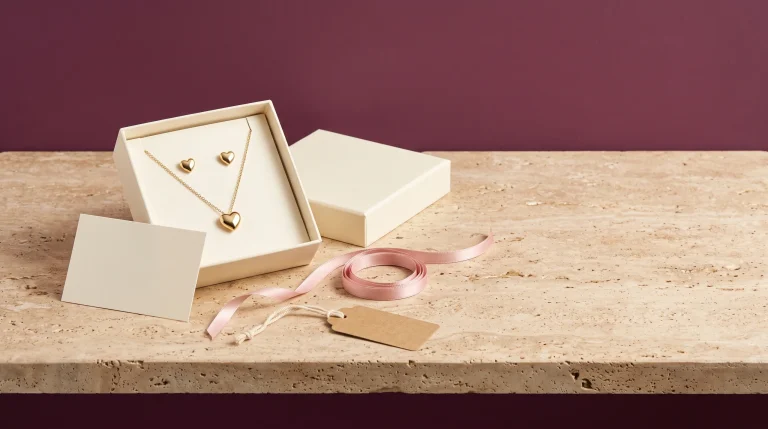
Valentine’s Day is one of the few gifting moments where a small boutique can outsell a big-box retailer, because shoppers are not hunting for the cheapest option. Here is what actually sells, how to build an assortment around a single strong jewelry story rather than a scattered hundred SKUs, and when to place the order so the stock is on the shelf before traffic builds in January.