
How to start using dropshipping for your business
Starting dropshipping does not have to mean rebuilding your retail business around a new fulfillment model. If you already sell online, it can begin with a much smaller decision: choosing a focused group of products you want to offer without holding the inventory yourself.
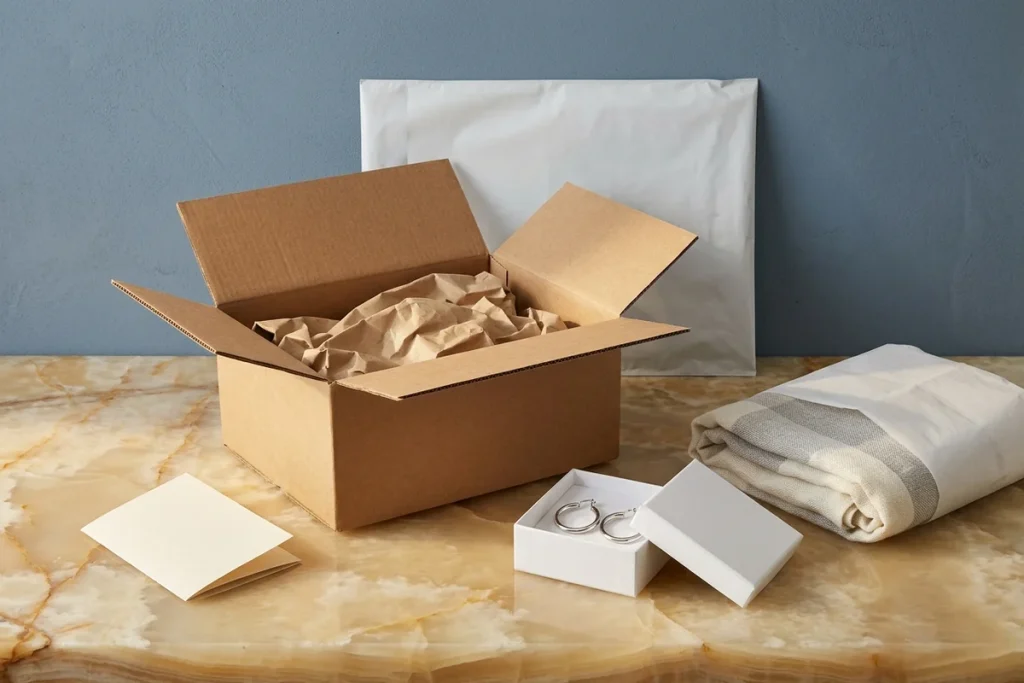
That changes what happens after checkout. Instead of pulling the product from your own stock, packing it, and sending it to the customer, you pass the order to a supplier that fulfills it. You avoid buying that inventory before it sells, but you also depend on another business for the product quality, processing time, packaging, and delivery experience your customer ultimately receives.
The safest way to start is therefore small and deliberate. Choose products that belong in your existing assortment, check the supplier behind them, establish exactly how an order will move from your store to fulfillment, and run the process yourself before opening it to customers.
- Start with a focused group of products rather than building a large dropshipping catalog at once.
- Check the supplier as closely as the product, including samples, stock information, processing times, tracking, packaging, and returns.
- Calculate the full cost of fulfilling an order before setting your retail price.
- Explain delivery expectations clearly, especially when stocked and dropshipped products may ship separately.
- Place a test order through your own store before promoting the new assortment.
Understand what changes when your supplier ships the order
In a stocked retail model, you buy the inventory first. When a customer orders, you pick the item from your stock and control the packing and shipping process.
Dropshipping moves those physical steps to the supplier. You list the product in your store, the customer purchases it from you, and the supplier fulfills the order without the product first coming into your inventory.
What does not move to the supplier is your relationship with the customer. Your store still chooses what to sell, presents the product, sets the price, takes the customer’s payment, communicates delivery expectations, and handles questions when something goes wrong.
What the supplier handles, and what stays with your business
Do not treat “the supplier ships it” as a complete fulfillment plan.
Before listing a product, establish who holds the inventory, who packs it, what packaging the customer will see, when an order is considered dispatched, how tracking reaches you, and what happens when an item is unavailable or arrives damaged.
Then map your own responsibilities around those answers. Your product page needs to match what will actually arrive. Your delivery estimate needs to account for both supplier processing and carrier transit. Your customer service team needs to know where to look when someone asks about an order.
For online sellers working through these sourcing decisions, Everful’s resources for resellers and marketplace sellers show the kinds of product quality, shipping, and replenishment questions worth considering when building an online assortment.
Where dropshipping can fit alongside stocked inventory
You do not have to choose one fulfillment model for your entire store.
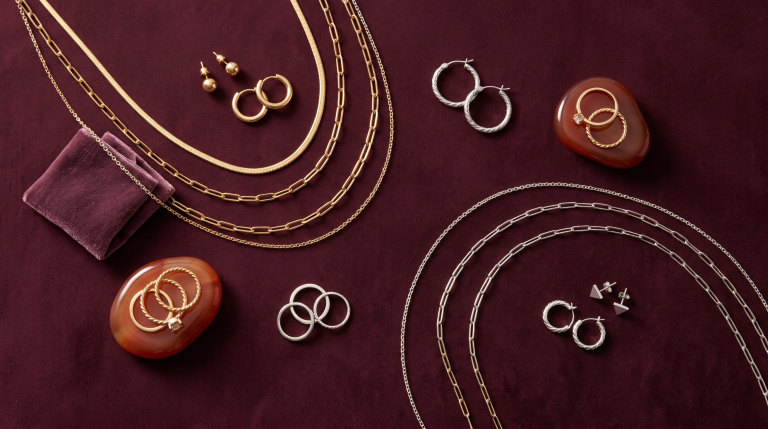
An established boutique might keep proven products on hand while using dropshipping to test an adjacent category. A retailer with a strong jewelry business, for example, could test selected fashion jewelry styles online without treating every new listing as a commitment to shelf inventory.
You could also use dropshipping for a category that takes more storage space while continuing to fulfill compact, frequently purchased products yourself.
The complication comes when one customer buys from both groups. A stocked item and a dropshipped item may leave from different locations and arrive on different dates. If your setup allows that, make the possibility of separate shipments clear before checkout rather than explaining it after the customer sees only half an order at the door.
Choose a focused range for your first test
It is easy to confuse a large supplier catalog with a strong assortment. They are not the same thing.
Your first dropshipping range should be small enough that you can check every listing, understand every fulfillment path, and notice quickly when something does not work.
Start with products that fit your existing customers
Use the store you already have as your starting point.
Look at the categories, price points, materials, colors, and use cases that make sense alongside your current assortment. Dropshipping can then extend that point of view instead of filling your site with unrelated products simply because they are available.
A boutique with a jewelry customer, for instance, might test coordinating accessories before moving into an entirely unfamiliar product category. That gives the new products a reason to sit beside what you already sell and makes the test easier to evaluate.
If you are starting a new store rather than adding dropshipping to an existing one, the same principle applies. Define who you are buying for and what problem or occasion the assortment serves before deciding how many products to list.
Assess product details, shipping requirements, and return risks
A product can look easy to sell in a catalog and become difficult once you examine what fulfillment requires.
Check whether you have enough information to build an accurate listing: dimensions, materials, variants, care details, sizing, weight, and clear product images where relevant.
Then look downstream. Is the product fragile? Does sizing make returns more likely? Does its weight or shape change the shipping cost? Are there materials or product attributes that restrict available shipping methods?
These questions matter because dropshipping removes the inventory from your back room, not the operational consequences of selling it.

Check the supplier before you publish a listing
With stocked inventory, you can inspect a product before it reaches your shelf. With dropshipping, the supplier may be the last business to touch it before your customer opens the parcel.
That makes supplier checks part of your merchandising decision.
Order samples and assess product consistency
Place a sample order whenever the supplier and product allow it.
Compare what arrives with the information you would use in your own listing. Check the material, finish, color, construction, sizing, packaging, and any details a customer could reasonably rely on when making the purchase.
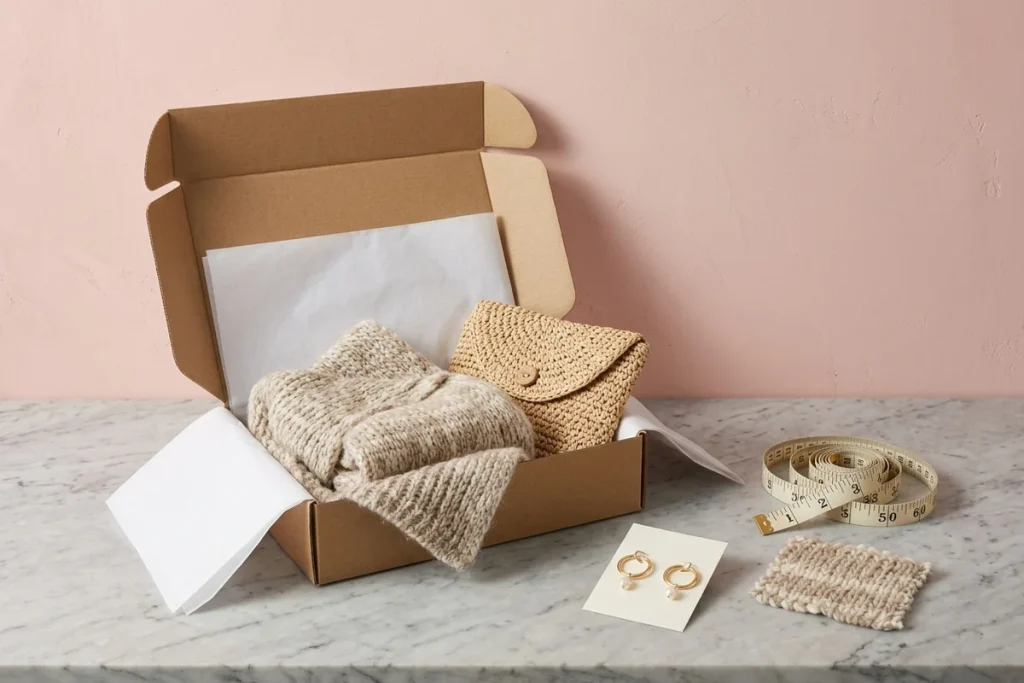
A sample also lets you see the order from the customer’s side. Does the packaging fit your store’s positioning? Is supplier branding visible? Is the product protected appropriately in transit? Does anything arrive in the parcel that you would not want sent to your customer?
One good sample is useful evidence, but it is not a guarantee that every future unit will be identical. Ask the supplier how it manages product consistency and what happens when an order does not match the agreed specification.
Confirm stock updates, dispatch times, tracking, and returns
Next, test the information surrounding the product.
Find out how you learn that an item or variant has gone out of stock. Ask how long the supplier typically needs to process an order before handing it to a carrier, then keep that processing period separate from the shipping transit estimate you give customers.
Tracking should have a defined path too. Know when it becomes available, where you receive it, and how the customer receives updates.
Shipping options can vary by product, destination, speed, and service level, so confirm what applies to the products you plan to sell rather than building your delivery promise around a general estimate. Everful’s wholesale shipping options illustrate the distinction between order processing and transit time and the importance of matching a shipping method to the actual order.
Returns deserve the same attention. Determine who authorizes a return, where the customer sends the item, which costs apply, and how damaged, incorrect, and unwanted products are handled. The customer bought from your store, so you need an answer even when another company shipped the box.
Set up your store for the first order
Once the product and supplier pass your checks, work through what needs to happen when someone actually clicks “buy.”
Budget for launch costs and set product prices
Dropshipping removes the need to purchase the dropshipped inventory in advance, but it does not make the rest of the business free to run.
Your launch budget might include ecommerce software, a domain, samples, photography or other creative work, payment-processing fees, marketing, and any software needed for your particular setup. At the order level, you also need to account for product cost, fulfillment charges, shipping, transaction fees, and an allowance for returns or replacements.
Keep those numbers separate from markup, gross margin, contribution per order, and net profit.
Consider a hypothetical product with a $40 retail price. If the product costs $12 and fulfillment and shipping cost another $8, subtracting those costs leaves $20 before other expenses. That $20 is not automatically net profit. Payment fees, advertising, returns, software, labor, taxes, and other operating expenses may still need to be covered.
The useful calculation is the one based on your actual costs, not a target markup borrowed from another store.
Build accurate listings and explain delivery expectations
Do not publish the supplier’s information untouched.
Check titles, variants, measurements, materials, sizing, care information, images, and any other detail a customer might use to decide whether the product is right for them.
Delivery information deserves the same review. If supplier processing takes place before carrier transit begins, your customer-facing estimate needs to account for both. If dropshipped products can arrive separately from items you hold in stock, say that clearly in the places customers will actually see it.
The goal is not to explain your entire supply chain. It is to give the shopper enough accurate information to know what they are buying and when they should expect it.
Establish how orders reach the supplier
There is no single order-routing setup shared by every dropshipping supplier.
Some arrangements use ecommerce integrations or automated systems. Others require orders to be submitted through a supplier platform or handled through another process. Confirm what your chosen supplier currently supports rather than assuming your store will connect automatically.
Then write down the handoff. What triggers the fulfillment request? Who checks the SKU, variant, quantity, and address? What happens if an address is incomplete? How do you learn about a stockout? Where does tracking appear?
A clear process makes exceptions easier to spot because you know what should happen at each stage.

Run a test order before promoting the range
Your first customer should not also be your first end-to-end systems test.
Place an order through the same storefront and checkout a shopper will use. If possible, send it somewhere you can inspect the delivered parcel.
Check payment, fulfillment, tracking, and customer messages
Start at checkout. Confirm that the correct product, variant, price, shipping charge, and other order details appear.
Then follow the handoff to fulfillment. Make sure the supplier receives the correct item and address. Record how long the order spends in processing before the carrier receives it.
When tracking appears, follow that too. Check what the customer sees in confirmation and shipping messages, and look for wording that could make processing time sound like transit time or suggest a parcel has shipped before it actually has.
Finally, open the package. Compare the delivered product with your listing and sample. Check the condition, packaging, paperwork, and any supplier information inside.
Review the first sales before expanding the assortment
A successful test order tells you that the process can work. Your first real orders tell you how it works repeatedly.
Watch for stockouts, processing delays, delivery exceptions, return reasons, product questions, and differences between your estimated and actual costs. Those signals can tell you more than order count alone.
They can also help you decide whether every product should stay dropshipped. A proven item may eventually make more sense to hold in stock if doing so improves the economics or gives you more control. Another product may be useful precisely because dropshipping lets you offer it without committing inventory dollars to it.
That is why dropshipping and stocked wholesale do not have to be opposing business models. They can solve different assortment problems. Everful’s comparison of dropshipping and wholesale jewelry goes deeper into the tradeoffs between holding inventory and having a supplier fulfill individual orders.
Start with the model that gives you a useful way to test. Then let what you learn from the products, costs, supplier, and fulfillment process determine what comes next.