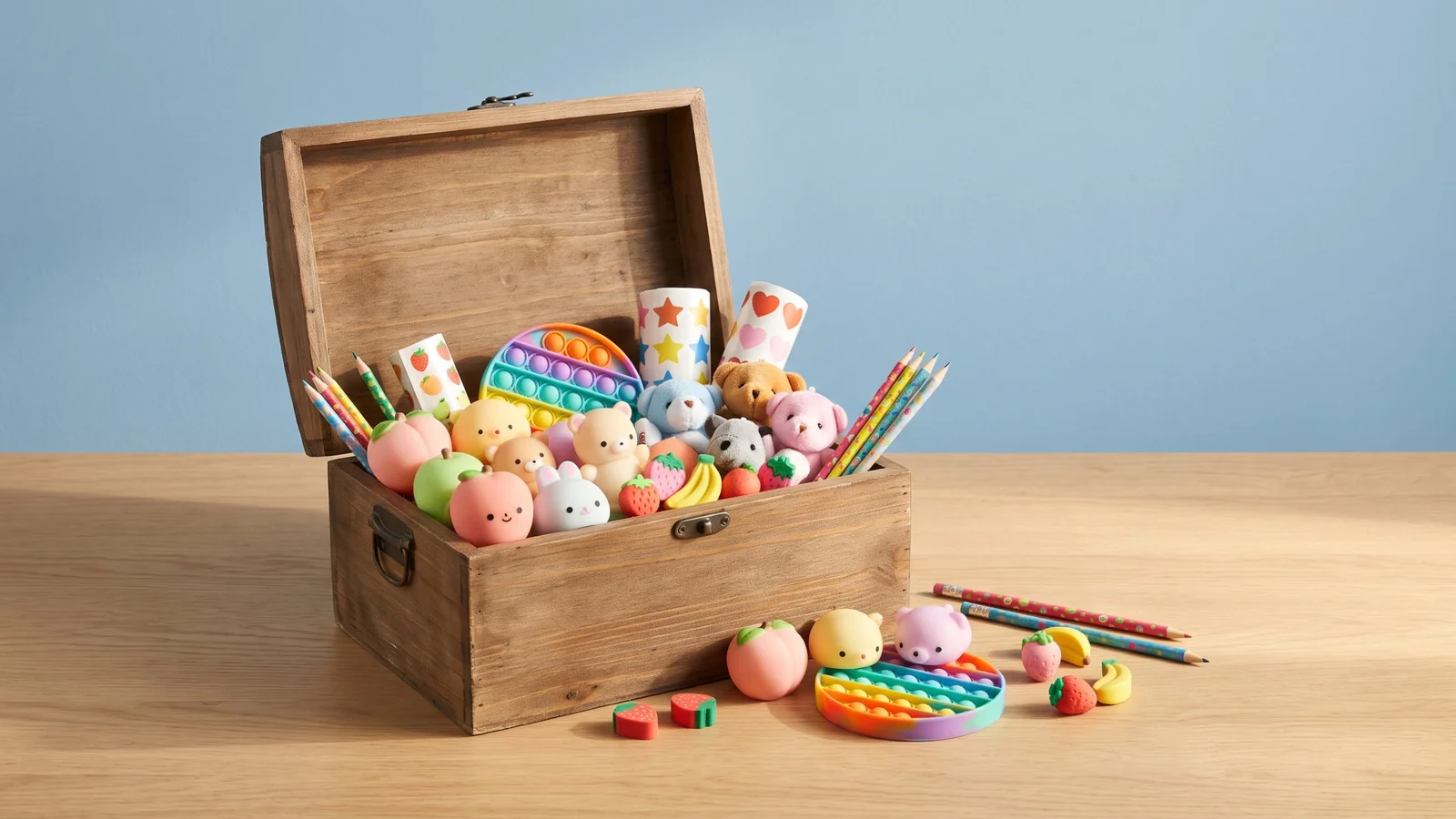
Classroom treasure box ideas students actually want
The best treasure box is the one students can’t wait to open. Here are classroom prize ideas for every age, plus simple ways to keep the box stocked, organized and on budget.
- The best treasure boxes offer variety: sensory toys, fidgets, mini plush and fun stationery give every student something to want.
- Always check manufacturer age recommendations and safety information, especially for small parts, magnets and batteries.
- Match prizes to age. Younger students like simple surprises, while older students want more choice.
- Keep costs down by mixing everyday prizes with occasional special rewards and free classroom privileges.
- Estimate how many prizes you’ll hand out each month, then set a budget and restock what students actually choose.
- Test new prize options in small quantities. With no minimums on most products, you can start with a single piece.
A classroom treasure box works best when students are excited to see what’s inside. Whether you’re rewarding positive behavior, celebrating achievements, or recognizing a job well done, a small prize can make an ordinary school day feel special.
The challenge is finding classroom prizes students actually want without spending too much or constantly replacing the same items. A box filled with identical pencils might not hold their attention for long, but a mix of squishy toys, fidgets, stickers, and other small surprises gives students something to look forward to.
Here are some classroom treasure box ideas for different ages, along with practical ways to keep your reward system organized and affordable.
What makes a good classroom treasure box prize?
The best classroom prizes are simple, appealing, and easy to distribute. Students should be able to choose something they enjoy without the reward becoming a distraction during class.
Choose rewards students will want to earn
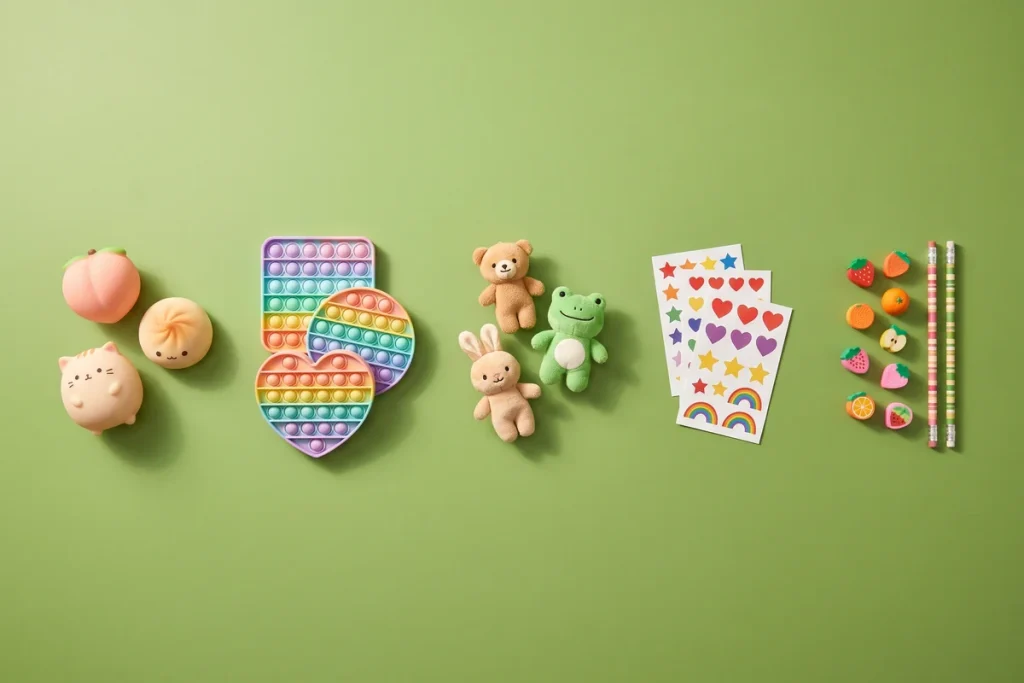
A good treasure box offers enough variety to accommodate different interests. Some students enjoy sensory toys, while others prefer stickers, colorful stationery, or small collectibles. Offering a few categories gives everyone a better chance of finding something they like.
You can also ask students what types of rewards interest them. A quick classroom survey can help you avoid spending money on prizes that sit untouched.
Balance fun, affordability, and safety
Before purchasing, consider how often students will earn rewards and how many prizes you’ll need. Small, durable items are generally easier to store and distribute. Avoid products that create excessive noise or interrupt classroom activities.
Always check the manufacturer’s age recommendations and any applicable safety information. Small parts, magnets, batteries, and other components may make certain products unsuitable for younger children.
Classroom treasure box ideas worth stocking
You don’t need an elaborate assortment to make a classroom prize box appealing. A few well-chosen categories can provide plenty of variety.
Squishy toys and sensory prizes
Squishy toys are a fun option for students who enjoy tactile rewards. They come in different shapes, colors, and designs, making them easy to rotate throughout the school year. Animal shapes, food-inspired designs, and colorful characters can add variety without requiring a completely different prize category.
Browse Everful’s squishy toys to explore classroom reward options. Check individual product safety and age guidance before selecting items for students.
Fidget toys and small handheld rewards
Fidget toys give students something interactive to choose from. Small pop-style toys and other handheld designs can make appealing rewards when they’re appropriate for the student’s age.
Keep classroom expectations in mind. Some fidgets may be suitable for supervised use during certain activities, while others are better enjoyed outside instructional time. Everful’s fidget toy collection offers more options to consider.
Mini plush toys and novelty prizes
Small plush animals and novelty toys can make occasional rewards feel more exciting. You don’t need to offer these every time a student earns a prize. Keeping a few special options available for larger milestones can help you manage your budget.
Choose products that are easy to clean, store, and distribute, and review age suitability and any detachable parts.
Stickers, erasers, and fun stationery
Stationery is a practical addition to any classroom treasure box. Consider offering:
- Colorful stickers and sticker sheets
- Novelty erasers
- Decorative pencils
- Small notebooks
- Fun bookmarks
- Mini stationery sets
These prizes are easy to organize and give students something they can use at school or home. A mix of stationery and toys also helps accommodate students who aren’t interested in the same types of rewards.
Treasure box ideas for different age groups
What excites a kindergartener might not interest a fifth grader. Adjusting your assortment by age makes the treasure box more appealing and helps you choose appropriate products.
Always check the age rating on each individual product.
Younger students enjoy simple surprises
For younger children, colorful stickers, fun school supplies, and age-appropriate sensory items can make effective rewards. Choose products that are easy to handle and don’t contain unsafe small components. Check the age guidance on every product rather than assuming all classroom prizes are appropriate for kindergarten.
Older students appreciate more choice
Older elementary students may prefer rewards that reflect their interests, such as decorative stationery, collectible designs, or fidget toys. Giving students a choice between several prize categories can be more effective than assuming everyone wants the same item.
You can also include nonphysical rewards, such as choosing a classroom activity or receiving a special classroom responsibility.
Keeping classroom prizes affordable
A treasure box should support your classroom reward system without becoming a major recurring expense. The easiest way to manage costs is to decide how often prizes will be awarded before purchasing inventory.
Mix everyday prizes with special rewards
Keep smaller items available for regular rewards and reserve more substantial prizes for occasional milestones. For example, stickers and novelty erasers can serve as everyday options, while a mini plush toy might be available for a larger achievement. This gives students something to work toward while helping you spread purchases across the school year.
Don’t forget free classroom rewards
Not every reward needs to come from a box. Students may also appreciate opportunities to choose a classroom game, select a read-aloud book, or help with a special activity. Combining free experiences with physical prizes helps reduce how often you need to restock.
Plan around how many rewards you’ll distribute
Estimate the number of prizes you’ll need each month based on your classroom size and reward system. For example, if you expect to distribute 20 prizes per week, you’ll need about 80 prizes over four weeks. Use that estimate to set a spending limit and decide which items fit your budget.
A classroom treasure box that’s easy to maintain
Once you’ve selected your prizes, a little organization can make the reward system easier to manage.
Keep everything visible and organized
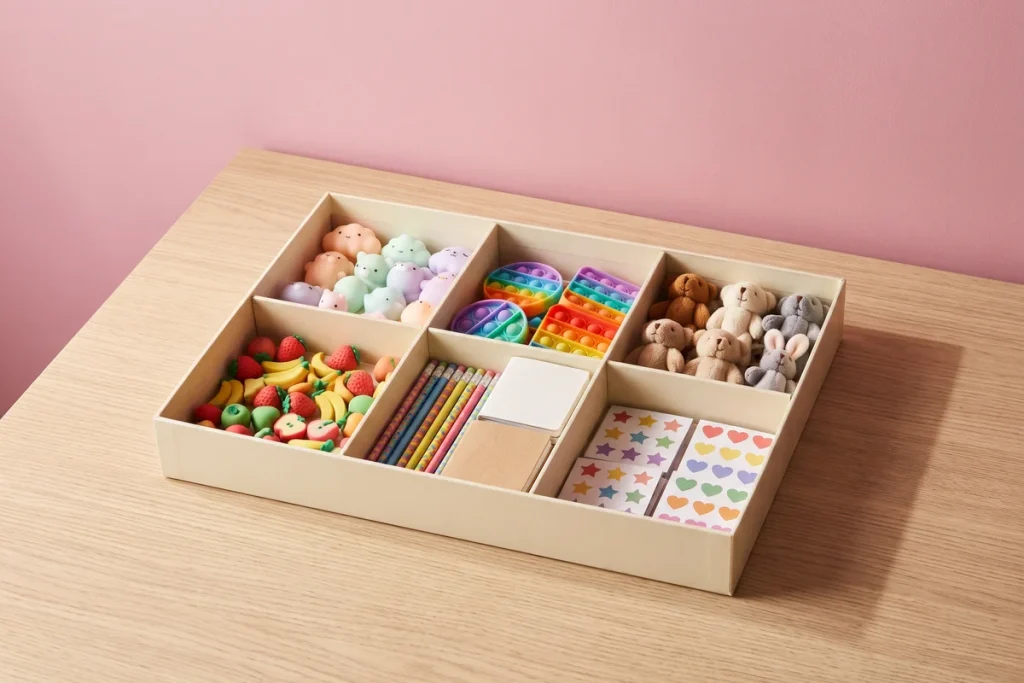
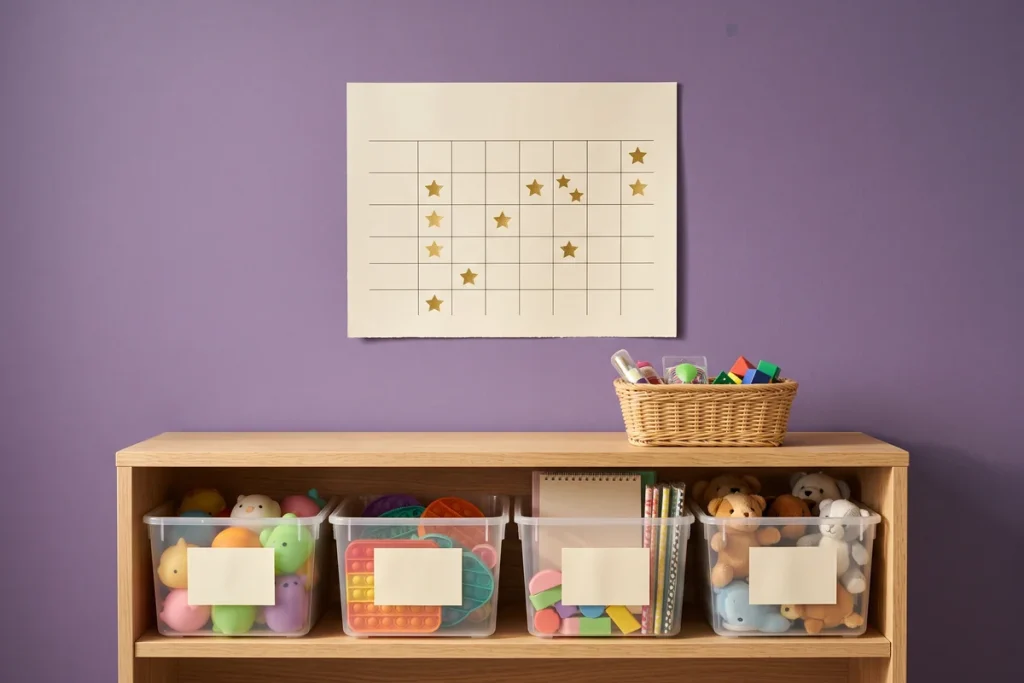
Use a small container with separate compartments for toys, stationery, and special rewards. Clear bins or labeled sections make it easier for students to see their choices without emptying the entire box. If space is limited, rotate a smaller selection of prizes rather than displaying everything at once.
Set clear expectations for earning rewards
Explain how students earn prizes, when they can choose them, and whether certain rewards require more points or milestones. A consistent system helps students understand what they’re working toward and keeps prize selection from interrupting lessons.
Restock based on what students choose
Pay attention to which prizes disappear first and which remain in the box. If squishy toys are consistently popular but certain stationery items go untouched, adjust your next order accordingly. You can also introduce a few new options periodically to keep the assortment interesting without replacing everything.
Where to buy classroom prizes in bulk
Buying classroom prizes in bulk helps teachers and school staff plan ahead, but you don’t always need large quantities. Before ordering, compare product quantities, shipping costs, age recommendations, and the cost per usable prize.
Everful offers wholesale merchandise across categories, including toys, stationery, and other items that may be suitable for classroom rewards. Through Everful’s school and education supplies, teachers and school staff can explore products for classrooms and school activities.
With no minimum orders on most products, Everful lets buyers start with a single piece where eligible. This makes it easier to test different reward options before purchasing larger quantities.
You can also browse Everful’s classroom-friendly prize assortment or wholesale classroom prizes for more ideas. Always verify individual product age recommendations and safety information before purchasing for students.
Common questions about classroom treasure box ideas
What should I put in a classroom treasure box?
Include a mix of age-appropriate toys, stickers, novelty erasers, fidgets, and small stationery items. Variety gives students more choices and helps maintain their interest.
What are the best classroom prizes for elementary students?
Squishy toys, fidget toys, stickers, mini plush animals, and colorful school supplies are useful categories to consider. The best choices depend on students’ ages, interests, and school rules.
What are inexpensive classroom treasure box ideas?
Stickers, pencils, bookmarks, novelty erasers, and small stationery items can be practical lower-cost options. Compare prices and quantities before ordering.
How do you make a classroom prize box on a budget?
Set a monthly spending limit, estimate how many prizes you’ll distribute, and combine small purchased items with free classroom rewards. Restock popular items rather than replacing the entire assortment.
Where can teachers buy classroom prizes in bulk?
Teachers can purchase prizes through school supply retailers and wholesale platforms. Everful offers toys, stationery, and other merchandise with no minimum orders on most products.
How often should you restock a classroom treasure box?
Restock based on how often students earn prizes and which items are most popular. Checking inventory every few weeks can help you avoid running out of favorite rewards.