
Sourcing for a subscription or mystery box offer
A subscription or mystery box turns a one-time buyer into a recurring one, but it lives or dies on what goes inside. You have the concept; what you need is the sourcing: how to pick a theme you can actually restock every month, where the products come from without a warehouse full of minimums, and how to price the box so the margin survives shipping and packaging. This guide walks through the whole build, from concept to the first fulfilled box.
- A subscription bills again without a new acquisition cost, and a mystery box gives buyers a reason to come back for the surprise. Both take you off the one-sale-per-customer treadmill.
- Supply is the catch. A box promises something new every cycle, so pick a theme with enough depth to fill three to six months, not just the first box.
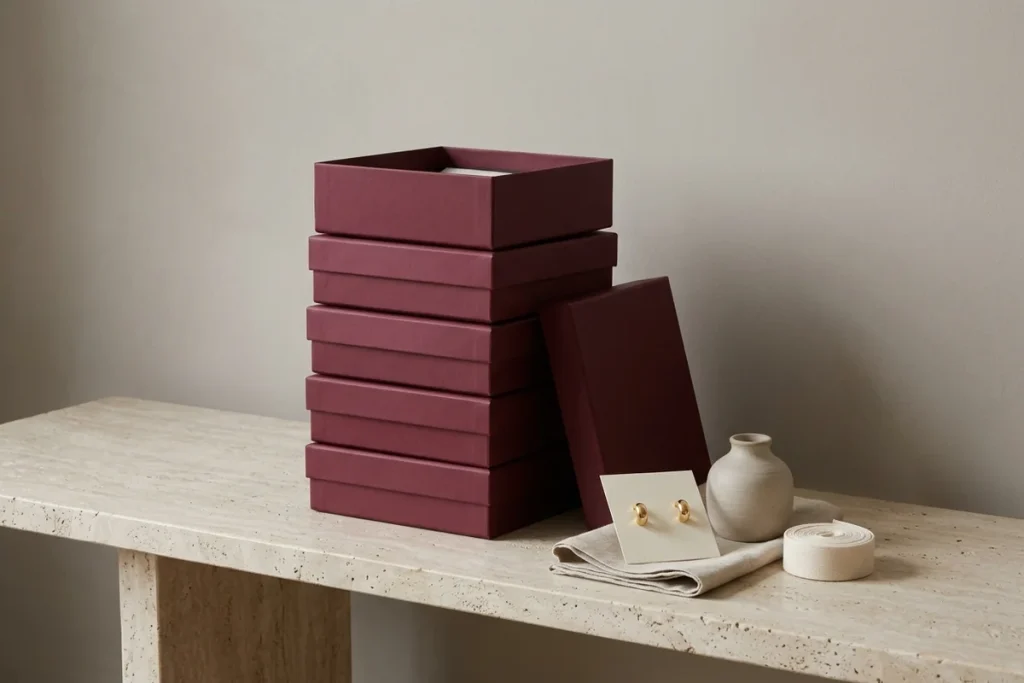
- For a first box, curate rather than manufacture. Building from gift boxes and ready assortments lets you change the mix each cycle without retooling.
- Price backward from retail: subtract product cost, packaging, and shipping, and make sure what is left justifies the recurring billing.
- Rotate themes with the seasons, use a blind box format for the surprise, and make every box feel worth more than its price when it opens.
- Everful is factory-direct with no minimums, so you can build one sample box before you buy at volume, and a backup factory is assigned to every product.
Why a subscription or mystery box builds recurring revenue
A standard product sale ends at checkout. A subscription bills again next month without a new acquisition cost, and a mystery box gives the buyer a reason to come back for the surprise rather than a specific item. Both take you off the treadmill of finding a new customer for every sale.
The catch is supply. A subscription promises the buyer something new on a schedule, so your sourcing has to keep pace with that schedule. That is where a deep, always-refreshed catalog matters more than any single hero product. Everful adds more than 10,000 new arrivals every day across jewelry, accessories, and home décor, which gives you a rotating pool to build each month’s box from without repeating yourself.
How to source your box offer
Pick a concept and niche you can sustain
Choose a theme narrow enough to feel curated and broad enough to refill every cycle. A small gift box, a self-care box, a jewelry-of-the-month box: each needs a category deep enough that you are not scraping the bottom by month three. Before you launch, confirm you can source three to six months of contents, not just the first box.
Curate versus manufacture: choose your model
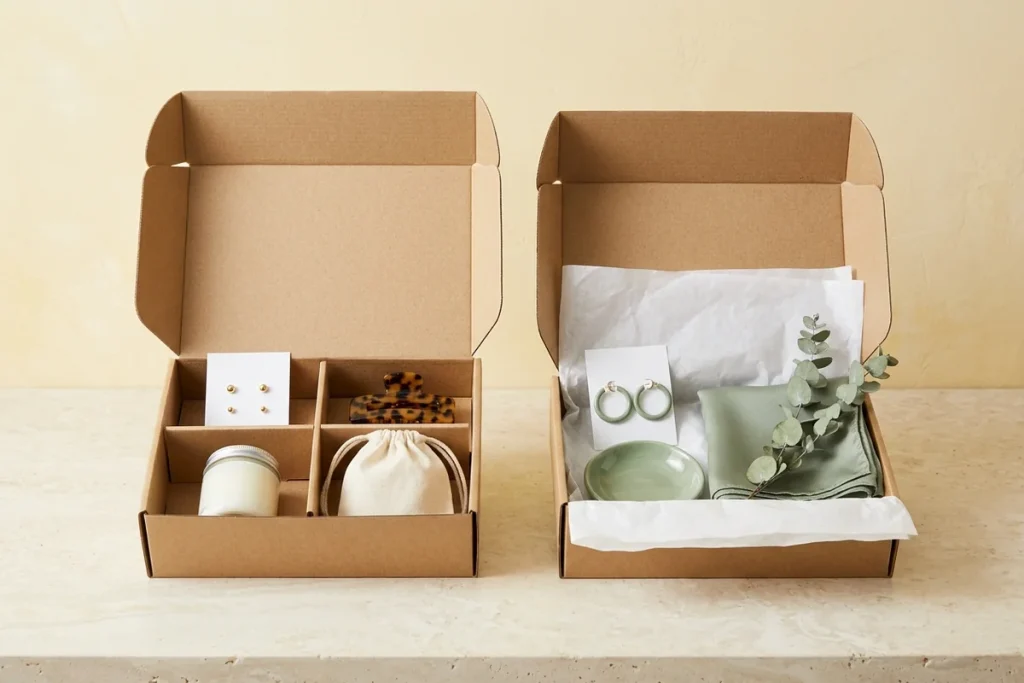
Curating means assembling your box from products that already exist, which is faster, less costly to test, and easier to vary month to month. Manufacturing your own contents gives you exclusivity but adds cost, lead time, and risk. For most retailers building a first box, curation wins. Sourcing from gift boxes and ready assortments lets you change the mix each cycle without retooling anything.
Price for margin, not just conversion
Work backward from the box’s retail price. Subtract product cost, packaging, and shipping, then check what is left. A subscription that converts well but nets nothing is a treadmill. Factory-direct pricing widens that gap, because you pay production cost with no middleman markup, and that is where the margin on a recurring box actually comes from.
What to put in a subscription or mystery box
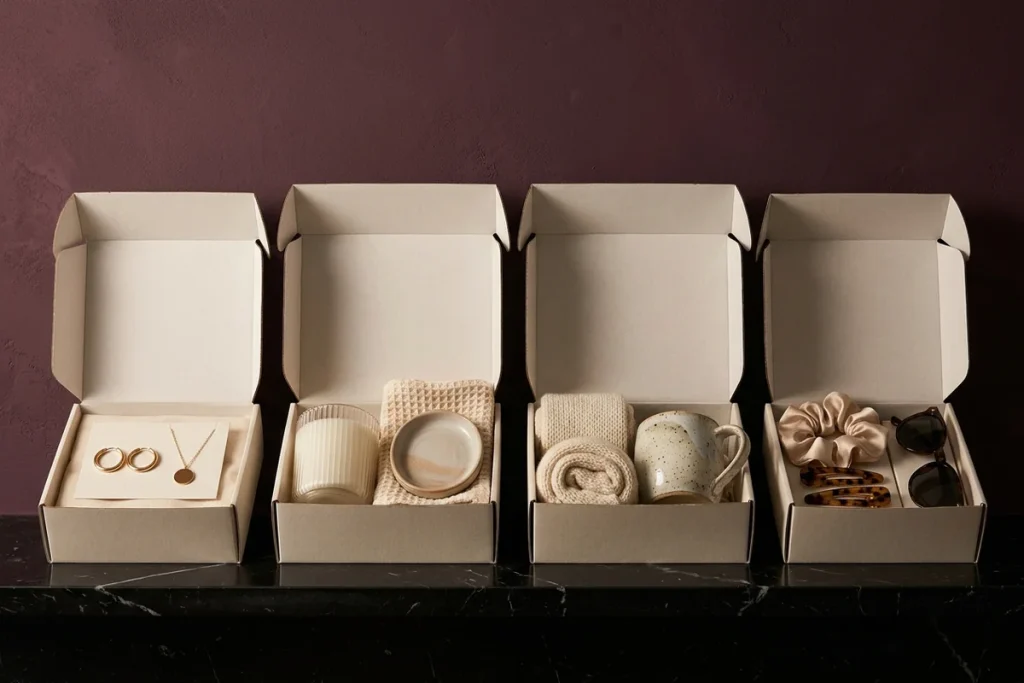
Themed and seasonal assortments
Rotate the contents so a subscriber never feels they are getting the same box twice. Lean on seasonal moments, holidays, and trend cycles to refresh the theme. Blind and mystery formats work especially well here, and a blind box assortment gives you the surprise element buyers are paying for without hand-picking every unit.
Perceived value and the unboxing moment
The box should feel worth more than its price the moment it opens. That comes from what is inside and how it is presented: a considered set of pieces, packaging that reads as a gift, and one item that feels like a small upgrade. Every order from Everful is hand-inspected before it ships, so the pieces that carry that perceived value arrive in the condition the buyer expected. For more on presentation, see our guide to holiday packaging.
How to source box products with no minimum order
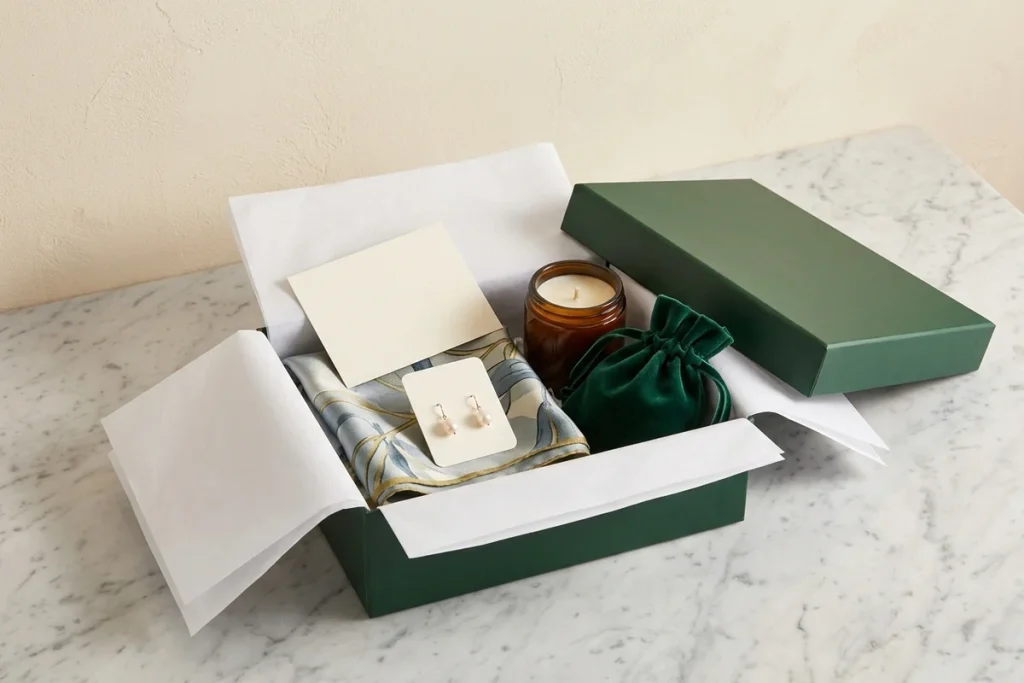
Testing a box concept costs far less when you are not forced to buy a pallet to try a theme. Everful has no minimums, so you can start with a single piece on most products, build one sample box, and see how it lands before you scale. When a theme proves out, the same catalog restocks it at volume. Browse small gift ideas to start assembling a first box that can double as a gift a customer gives someone else.
A common catch with subscription boxes is a missing piece. A factory runs out of a crucial theme item, and the curator is left reshuffling options to get the box out on time. Everful matches every product to its highest-rated factory and assigns a backup factory in advance, so if the first factory cannot fulfill, the order reroutes to the backup and the box still ships complete.