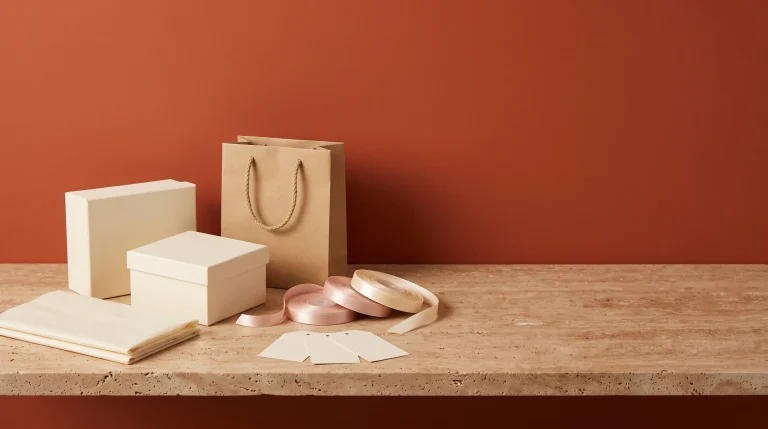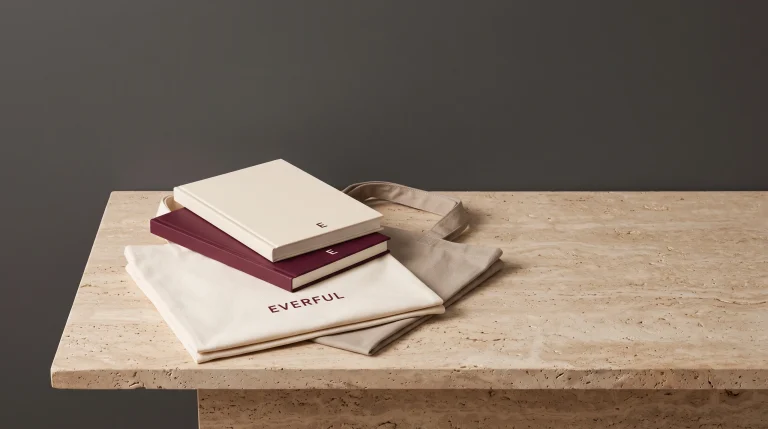
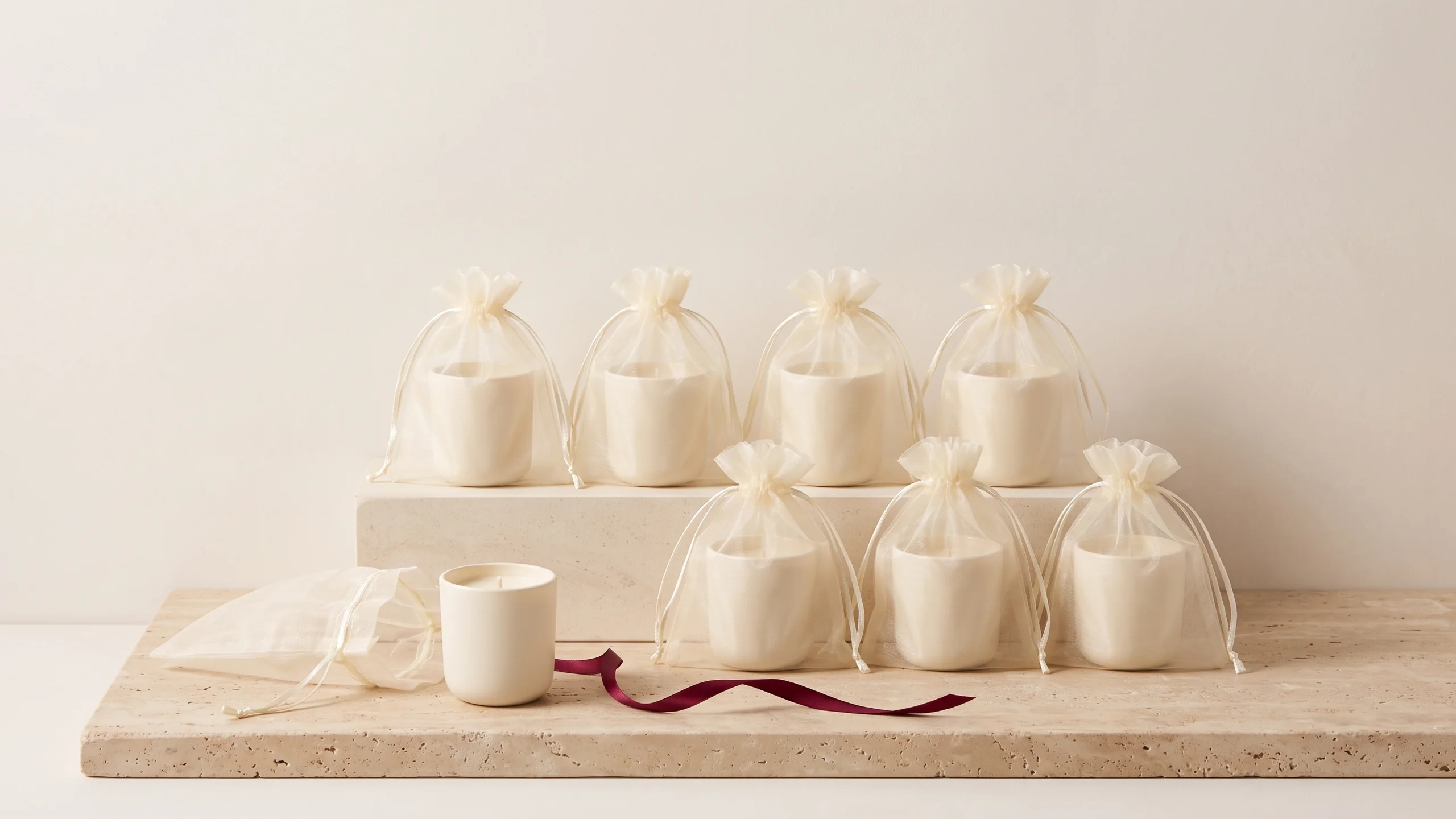
How to prepare a product line for wedding favors at volume
Wedding favors are a volume business. A single wedding needs one favor per guest, often a hundred or more, and whoever is supplying them is fulfilling that across many weddings a season. Two kinds of buyer live in that work: a retailer, boutique, or maker building a favor line to sell, and a wedding planner assembling favor packages for the weddings on their calendar. The margin, and the workload, comes down to sourcing components well, personalizing efficiently, and keeping a tight line of formats instead of a sprawling catalog.
This guide covers both buyers, the formats that sell, the supplies worth stocking for personalization, and where to source in volume without a large minimum.
Key takeaways
- Two buyers share this category: producers building a favor line to sell, and wedding planners building favor packages per event. The formats overlap, the prep differs.
- The favors that tend to move are practical or consumable, easy to personalize, and easy to display: candles, small jars, boxed sweets, and keepsakes.
- Personalization is what couples pay extra for, and it runs on a short list of stockable supplies: printed tags, labels, ribbon, blank bases, and engraving-ready pieces.
- A planner can hand off the branding and the packaging, using custom branding and custom fulfillment to have favors labeled and split-shipped per wedding without building a production line.
- Sourcing with no minimum order, starting with a single piece on most products, is what lets either buyer test a format before committing a season’s stock to it.
What tends to sell for a wedding
Couples generally want favors that feel considered, stay within a per-guest budget, and photograph well enough to fit the wedding’s look. In practice, the favors that move tend to be practical or consumable, easy to personalize, and easy to set on a table. Cheap-looking novelties tend to underperform, while an affordable favor that looks better than its cost tends to do well. That gap, between what a favor costs to produce and how it reads, is where a producer’s margin usually sits. Tastes vary by wedding, so treat these as starting points, not rules.
Popular favor formats and price points
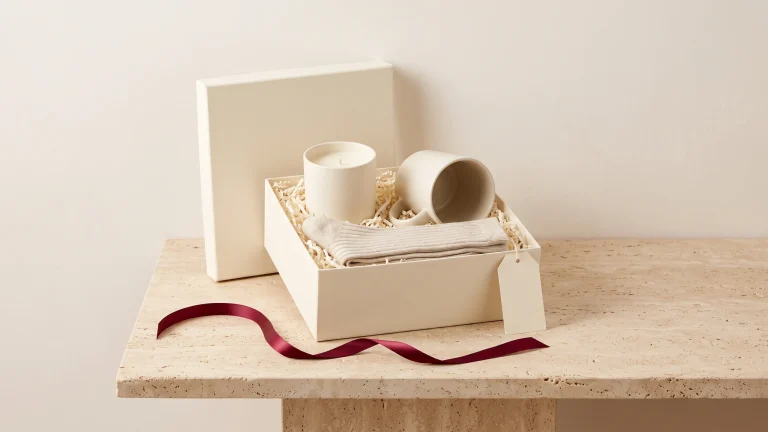
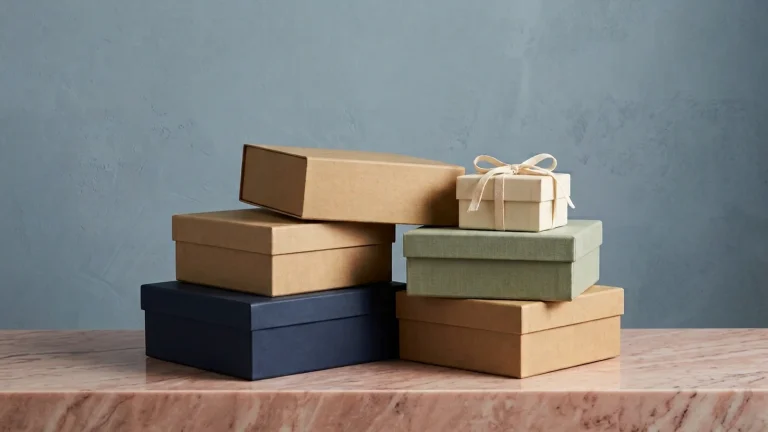
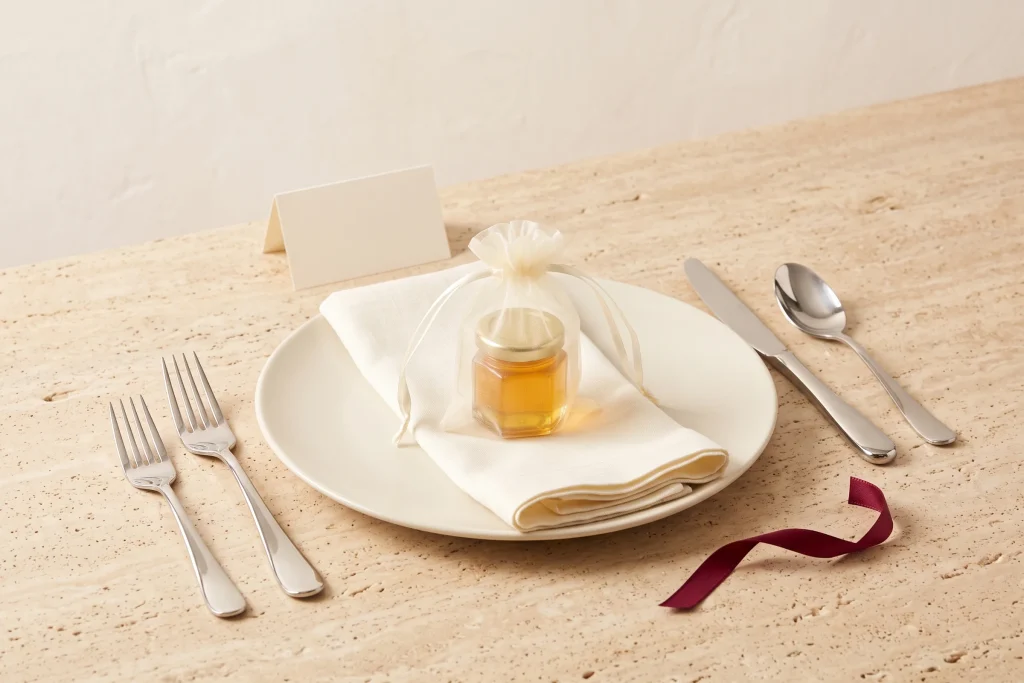
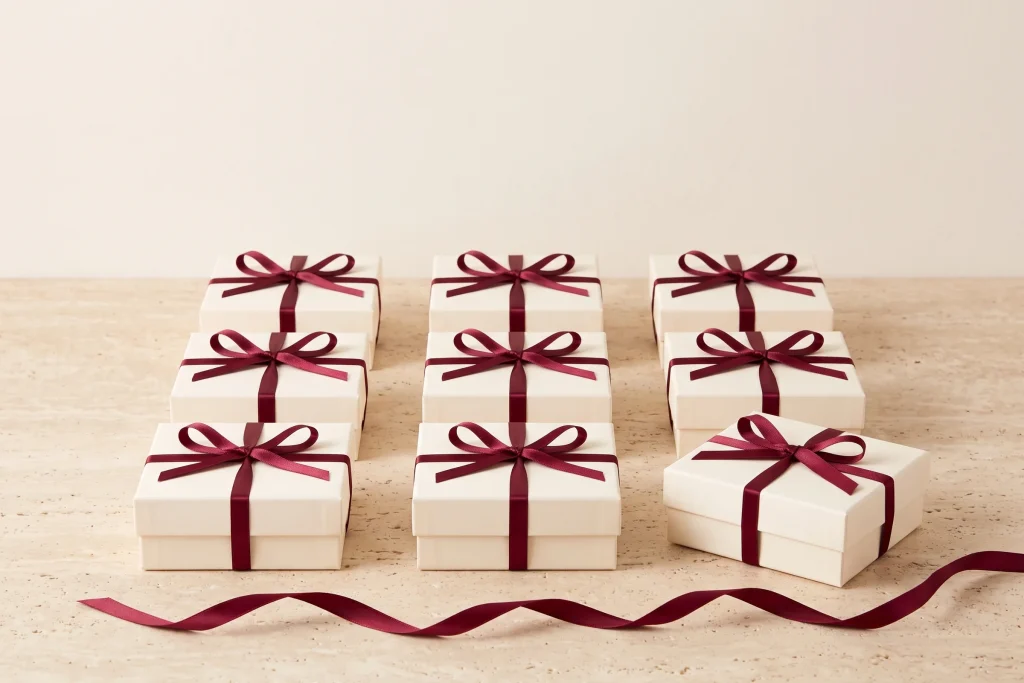
A few formats dominate the category. Small candles, mini jars of honey or jam, personalized keepsakes, and boxed sweets are reliable sellers because they suit almost any wedding and personalize easily. Each sits at a different price point, so carrying a short range lets you serve budget-conscious couples and higher-spend weddings from the same line. Presentation elements like favor boxes and organza bags round out the offering and add margin. The broader party supplies range covers the display pieces that present a favor well on the day.
- What it is
- Small candles, mini jars of honey or jam, boxed sweets
- Why it sells
- Guests use it, so nothing is left on the table at the end of the night
- Personalizes by
- A printed label or a tied tag on a blank base
- What it is
- Favor boxes and organza bags, with ribbon
- Why it sells
- The cheapest way to make an affordable favor read as more than it cost
- Personalizes by
- Ribbon color and a tag, changed per wedding without changing the base
- What it is
- Engraving-ready pieces a guest takes home and keeps
- Why it sells
- Carries the higher-spend tier, where a permanent mark justifies the price
- Personalizes by
- Batch engraving at the component stage, not on finished sets
Personalizing favors at volume
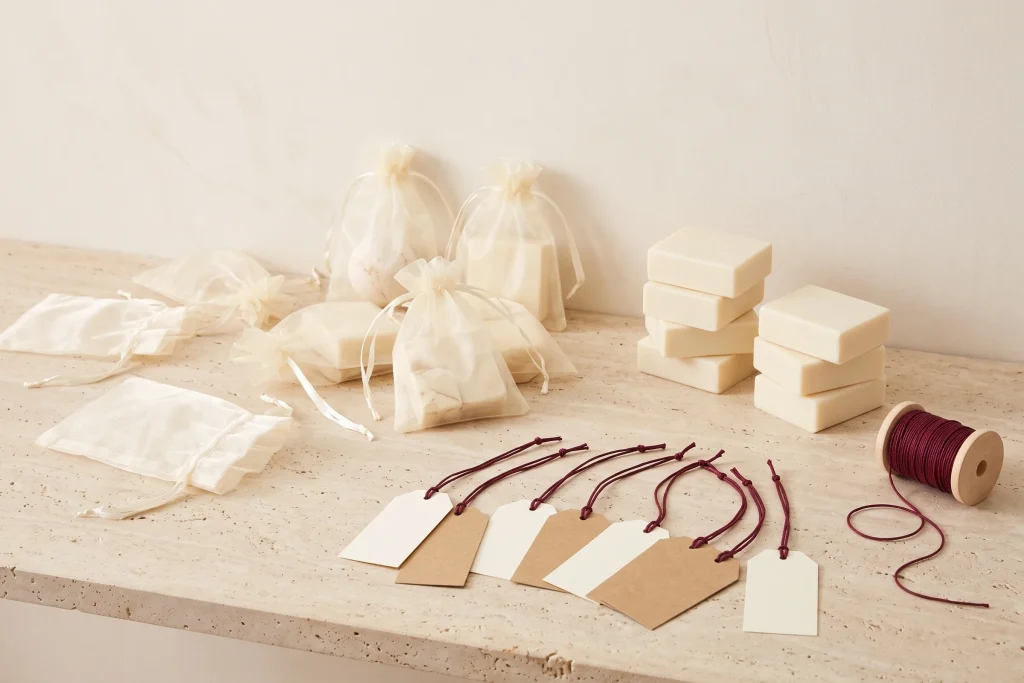
Personalization is what couples pay extra for, and it is where volume producers either win or drown. The key is a repeatable process: elements produced in batches instead of one at a time, applied to a standard base favor. To make that possible, stock the supplies that turn a plain favor into a personalized one:
- Printed tags and labels for names, dates, and monograms applied in a single batched step.
- Ribbon and twine in a few neutral colors that carry across most wedding palettes.
- Blank favor bases, such as plain candles, boxes, and jars, ready to take a label or a tag cleanly.
- Engraving-ready keepsakes for the higher-spend tier, where a permanent mark justifies the price.
Design the line so personalization is one efficient step and not a bespoke build per order. That keeps the premium without killing the throughput.
For wedding planners: build favor packages per event
A wedding planner is not producing a line to sell. They are putting together a finished favor package for each wedding they run. The prep is different, and Everful can carry the parts a planner would rather not handle in-house. Custom branding puts the couple’s names, monogram, or wedding date on the favor and its packaging, so every package looks made for that event instead of pulled from stock. Custom fulfillment applies custom packaging and labeling before the order ships and splits deliveries on a schedule you set, so a planner running several weddings a season can order to each guest count and have favors arrive prepared and labeled for the event they belong to. That turns favors from a production task into a line item a planner can price and hand off.
Building the product line
A strong favor line is short and deep, not long and shallow. Pick a handful of proven formats, offer each in a couple of variations and price points, and standardize the components so you can buy them at volume and personalize them consistently. Sourcing base favors and packaging at factory-direct pricing keeps the per-unit cost low enough to protect margin even after personalization.
Where to source wedding favors with no minimum order
Source base favors, boxes, and packaging with no minimum order, starting with a single piece on most products at Everful. Test a format on a small run, reorder what sells, and scale only the favors that move.
The base favors, boxes, bags, and packaging a favor line is built from sit in the Wedding Favors collection.
Common questions about wedding favors at volume
What are popular wedding favors to produce at volume?
Small candles, mini honey or jam jars, personalized keepsakes, and boxed sweets are the reliable sellers. They suit most weddings and personalize easily, which makes them efficient to produce at volume.
How do you personalize wedding favors at scale?
Use a repeatable method such as printed tags, custom labels, or batch engraving applied to a standard base favor. Stocking blank bases and neutral ribbon ahead of time keeps personalization to one efficient step instead of slowing production.
How can a wedding planner handle favors without a production line?
A planner can use custom branding to put each couple’s details on the favor, and custom fulfillment to apply the packaging and labeling before the order ships and split deliveries per wedding. That lets a planner offer favors as a priced service without preparing every order by hand.
What do wedding favors cost per guest at volume?
Per-guest cost depends on the format and personalization, but sourcing components at factory-direct prices with no minimum is what keeps a favor affordable while still looking better than its cost.
How many favors do you need per guest?
Typically one per guest, sometimes one per couple or household depending on the format. Plan a small overage into every order to cover breakage and late additions.
Where do you source wedding favors at volume?
Many producers source base favors and packaging directly from factories to protect margin. Everful lets producers source wedding favors with no minimum order on favors and components alike, starting with a single piece on most products.