
buying guide

  • |

    How to build Mother’s Day gift sets for your boutique

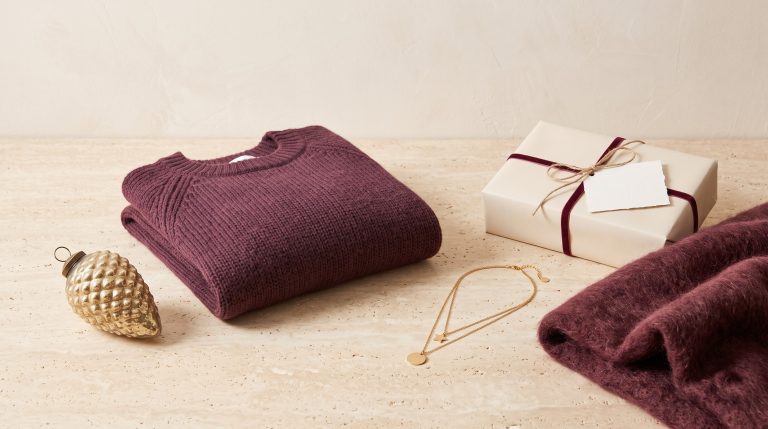
    Mother’s Day rewards boutiques that sell a finished gift rather than a product. The customer walking in has a deadline, a person in mind, and limited patience for assembling something themselves. Here is what sells, how to build three or four finished sets around a personalized jewelry core, how to tier them from counter impulse buys to the higher-ticket boxed pair, and when to place the order so the stock is on the shelf before traffic builds in late April.

  • How to build corporate and employee appreciation gift sets

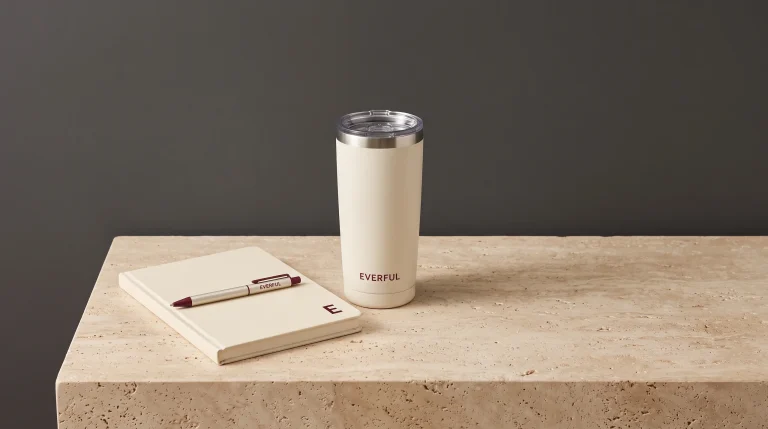
    Corporate gifting fails in a predictable way: someone gets a budget, orders the same branded item for 400 people, and most of it ends up in a drawer. Getting it right is mostly a sourcing problem. Here is how to work out your real budget per person, what actually lands under $5, under $10, and above $25, how to assemble a set out of a core gift, branding, and packaging, and when to place the order for March and for year-end.

  • |

    How to build bridesmaid gift sets

    Bridesmaid gifts are one of the few wedding categories where the buyer wants a finished set and will pay not to have to build it herself. The margin sits in the assembly, not in the pieces. Here is what goes into a set, where to source the jewelry and the packaging, how to buy components in counts that divide cleanly into a wedding party, and how to price the result so there is a complete set at every budget.

  • |

    Wholesale Christmas decorations: a retailer sourcing guide

    Christmas decor is bought on feeling and sold on curation. Shoppers who already own a box of ornaments still buy more, and they buy the pieces that look like nothing they own. Here is what to stock across classic, modern and tabletop decor, how to judge a piece on materials, stitching and weight before you commit, what survives a long freight journey, and how to build depth across price points so the assortment sells through instead of sitting in a January stockroom.

  • |

    Holiday packaging for retailers: bags, boxes, and presentation

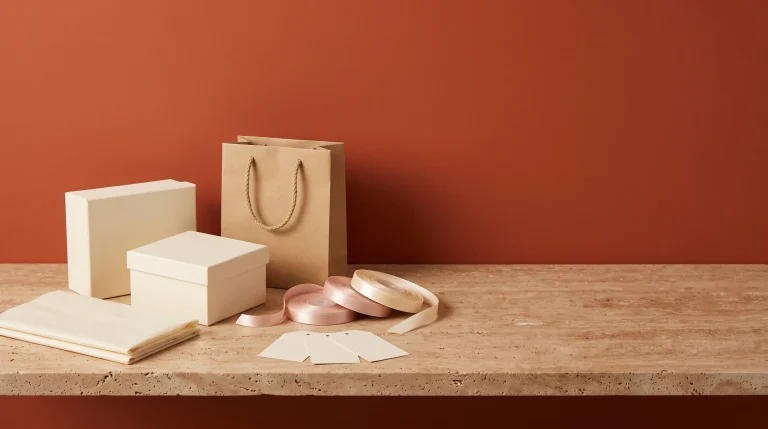
    Packaging is the one Q4 category most retailers source last and sell hardest. It sits at the register when the buying decision is already made, it makes everything around it look more expensive, and it is the difference between selling a bracelet and selling a bracelet in a box. Here is what to stock across bags, boxes, pouches, tags and ribbons, how to judge a sample in under a minute, how to build depth across price tiers, and how to merchandise the lot so it sells itself.

  • |

    Consumer insights and trend forecasting for winter retail buyers

    Winter retail is the most predictable season on the calendar and the hardest one to buy for. The categories barely move year to year; the products inside them turn over completely. Here is what the demand data actually says about how winter shoppers behave, which trend signals are worth reading right now across apparel, accessories, home, gifting, and seasonal decor, and how to build an assortment that covers both the proven and the new.

  • |

    What is MOQ? A wholesale buyer’s guide

    Wholesale does not have to mean committing to 500 of something you have never sold. MOQ, or minimum order quantity, is the smallest order a supplier will accept, and it decides how much of your budget goes into a style before you know whether it sells. Here is why suppliers set minimums, how they work in jewelry, what a high MOQ does to a small retailer’s cash and assortment, and what changes when a supplier has none.

  • |

    Private label jewelry: What it is and how to source it

    A branded jewelry line used to mean designing from scratch. Private label puts your name on quality pieces from vetted factories instead: you choose from a manufacturer’s catalog, add your logo and packaging, and launch something that is yours. Here is how private label jewelry works, how it differs from white label and custom, and the six steps to sourcing it.