

How to start buying wholesale for your retail business: a beginner’s guide to smart sourcing
Wholesale can feel like a closed world with its own language and its own rules. This is that world in plain English: what buying wholesale actually involves, the terms worth knowing, and how to place a first order small enough to learn from.
Key takeaways
- Buying wholesale means sourcing products directly for resale, usually at a lower per-unit cost than retail. It’s a learnable skill, not a closed club.
- The jargon is decodable: MOQ, MSRP, lead time, and factory-direct vs. marketplace are the few terms that unlock most of it.
- Choosing the right supplier matters more than choosing the right product first. Quality control, sourcing transparency, and real support are what protect a first order.
- A smart first order is small and low-risk: browse, order a little, inspect what arrives, then reorder what works.
- Everful is built for first-time buyers: factory-direct, not a marketplace, with no minimums for testing, hand-inspection on every order, and 24/7 concierge support.
If you run a shop or sell online, you’ve probably hit the moment where retail sourcing stops making sense. You’re buying inventory at prices barely below what you charge, margins are thin, and scaling feels impossible. Wholesale is the obvious next step. The problem is that wholesale can look like a different world, with its own vocabulary, its own etiquette, and a quiet assumption that everyone already knows how it works.
Nobody starts out knowing any of it. Most of the buyers who are good at this now started exactly where you are, learned a handful of terms, placed one careful first order, and built from there. This guide walks through the whole arc: what wholesale is, the words you’ll run into, how to choose a supplier you can trust, and how to place a first order small enough that the stakes stay low. By the end you’ll know what to do next, not just what it all means.
What is wholesale buying, and how does it work?
Wholesale buying means purchasing products directly from a supplier — a manufacturer, a factory, or a distributor — to resell to your own customers. Because you’re buying for resale rather than personal use, you pay a wholesale rate that sits below the retail price, and the gap between what you pay and what you charge is your retail margin.
That’s the whole model in one sentence. The rest is detail: how much you have to buy at once, how long it takes to arrive (the lead time), how you know the quality is right, and who you call when something goes wrong. Those details are what separate a first order you learn from and one you write off, and they’re what most of this guide is about.
The first thing to understand is that not all wholesale works the same way. Some suppliers sell through a wholesale marketplace that lists other companies’ products. Others use direct-from-factory sourcing, sending products straight from the factory floor to you. That distinction shapes everything from price to quality control, so it’s worth holding onto as you read on.
The wholesale terms every beginner should know
You don’t need to memorize an industry dictionary. A handful of terms covers most of what you’ll encounter, and once they’re clear, the rest of wholesale reads much more easily. Screenshot this section and keep it for your first few orders.
The core terms, in plain language.
That’s most of the vocabulary. Once it’s clear, the rest of wholesale is just decisions.
How to find a wholesale supplier you can trust
Once the language clicks, the real decision is who you buy from. This matters more than which product you pick first. A good supplier makes every future order easier; a poor one can cost you the budget you needed for the next. When you’re starting out, weigh three things above all else.
Quality control
Someone should be checking orders before they ship. Ask, plainly, who inspects what arrives and what they look for — this is the heart of supplier vetting, the work of confirming a supplier is who they say they are before you trust them with an order. A supplier that hand-inspects every order can tell you exactly that. One that can’t will usually go quiet on the question.
Sourcing transparency
Know where your products come from. A factory-direct supplier sources straight from vetted factories, so there’s one accountable party for what shows up at your door. A marketplace passes that accountability across many third-party sellers, which is harder to trace when something’s wrong.
Real support
Before you place an order, find the support channel and test it. A reachable, responsive team is the difference between a problem solved in an afternoon and an order written off. For a deeper walk through evaluating suppliers and the warning signs to watch for, our guide to finding wholesale suppliers without getting burned goes step by step.
How to place your first wholesale order
The fastest way to get comfortable is to place a small order and watch what happens. You don’t need a big budget or a perfect plan. You need a low-risk first move you can learn from. Here’s how that first order works at Everful, step by step. It’s simpler than the jargon made it sound. (The exact screens change as the site evolves, so think in steps, not buttons. For the click-by-click version, see the Help Center guide to placing an order.)
BrowseStart in a category you know your customers want: jewelry, accessories, or whatever fits your shop. Save a short list of pieces you’d actually stock.
Order smallBecause there’s no minimum, you can buy a handful of each to test rather than committing to volume. Treat the first order as research, not a restock.
InspectWhen it arrives, check it against what you expected: finish, fit, packaging, count. With hand-inspected orders the surprises should be few, but you should still see for yourself.
Reorder what worksPut the pieces in front of your customers, see what moves, and reorder the winners with confidence. Now you’re sourcing on evidence, not guesswork. This is the start of real inventory planning — deciding what to stock, and how much, based on what actually sells.
How Everful makes a first wholesale order low-risk
That’s what good wholesale looks like. Everful was built so a first-time buyer gets all of it by default, starting with the sourcing model: Everful is factory-direct, not a marketplace. Products come straight from vetted factories rather than listed by third-party sellers, so there’s one accountable party from the order through to any issue after it.
For someone placing a first order, that shows up in ways you can feel. There’s no minimum, so you can order a few product samples to test before committing real budget. Every order is hand-inspected before it ships, so what arrives matches what you chose. The catalog adds 10,000+ new arrivals daily, so what’s worth stocking keeps growing alongside your shop. And 24/7 concierge support means there’s a real person on the other side when you have a question. On a first order, you will.
None of that requires you to already be an expert. It’s built for the buyer who’s learning, which is the whole point of a first order.
Find your first wholesale bestseller
Browse a factory-direct catalog built for retailers — no minimums, hand-inspected, and ready to ship wherever your business is.
Discover Your Next BestsellerFrequently asked questions
How do I start buying wholesale for my small business?
Start by learning a few core terms (MOQ, MSRP, lead time, factory-direct vs. marketplace), then choose a supplier you can trust based on quality control, sourcing transparency, and real support. Place a small first order to test what sells, inspect what arrives, and reorder the winners. A supplier with no minimums, like Everful, makes that first low-risk step easy, since you can buy in small quantities while you’re still learning what your customers want.
What is MOQ and why does it matter?
MOQ stands for minimum order quantity, the smallest amount a supplier will let you buy in one order. It matters because a high MOQ forces you to commit to volume before you know whether a product will sell. A supplier with no MOQ removes that risk, letting you test products in small quantities and scale up only what works. That flexibility is especially valuable for first-time buyers watching cash flow.
What’s the difference between wholesale and retail buying?
Retail buying is purchasing products for personal use at the price a store sets. Wholesale buying is purchasing products for resale, directly from a supplier, at a lower per-unit rate. The gap between your wholesale cost and your retail price is your margin. Wholesale usually involves larger quantities and a few more terms to learn, but the model is simple: buy to resell, sell for more than you paid.
Do I need a business license to buy wholesale?
Requirements vary by location and supplier. Many wholesale suppliers ask for proof that you’re a business — often a business license or a reseller’s permit — before extending wholesale pricing, partly so the right sales tax rules apply. Check your local requirements and ask any supplier directly what they need. It’s a standard step, not a barrier, and most new buyers handle it early in setting up their shop.
How much do I need to spend on my first wholesale order?
Less than you’d think, if you choose a supplier with no minimum order. Rather than committing a large budget up front, a smart first order is small and deliberate: a handful of pieces across a few styles you want to test. With no MOQ, you set the size, treat the order as research, and reinvest in what sells. There’s no fixed amount you need to start. Just what you’re comfortable learning from.
You Might Also Like
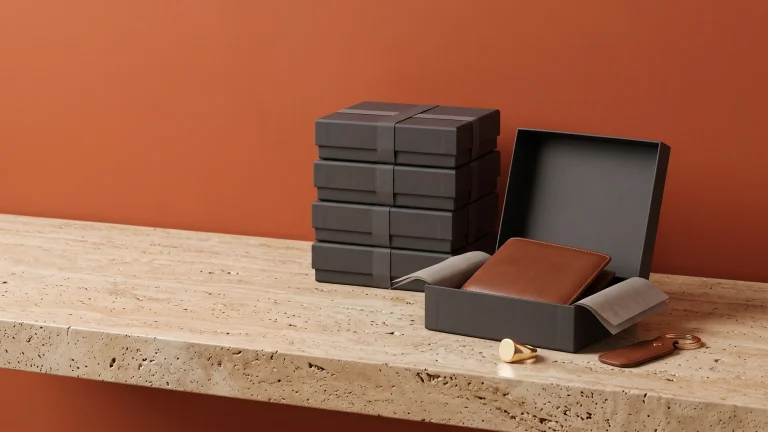
How to build groomsmen gift boxes and sets
Groomsmen gifts are the rare wedding purchase a groom makes four, six, or eight times over. That turns the job from choosing one perfect gift into building one repeatable set at a cost that holds across the whole party. Here is the structure that works, which components photograph well and actually get used, how to price the set at three tiers, and how to source every part in the exact count you need.
What most wholesale buyers get wrong, and how to source smarter from day one
What most wholesale buyers get wrong:
The four mistakes that catch buyers most often, and what the consistently good ones do differently from day one.How to build corporate and employee appreciation gift sets
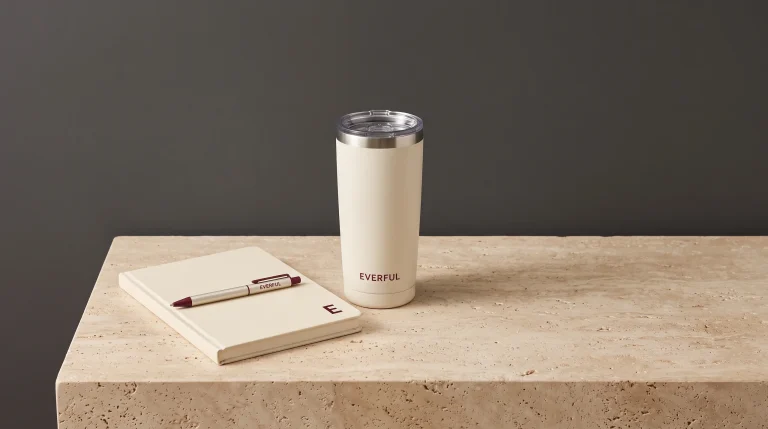
Corporate gifting fails in a predictable way: someone gets a budget, orders the same branded item for 400 people, and most of it ends up in a drawer. Getting it right is mostly a sourcing problem. Here is how to work out your real budget per person, what actually lands under $5, under $10, and above $25, how to assemble a set out of a core gift, branding, and packaging, and when to place the order for March and for year-end.
How government and nonprofit organizations source corporate gifts
Gifting inside a government agency or a nonprofit runs on different rules. The budget is scrutinized, the recipient may be capped on what they can accept, and approval moves through procurement rather than one person. Here is how to set a defensible per-recipient number, choose gifts that stay inside acceptance limits, get the request signed off, and source the exact quantity your recipient list needs with no minimum order.
How to build bridesmaid gift sets
Bridesmaid gifts are one of the few wedding categories where the buyer wants a finished set and will pay not to have to build it herself. The margin sits in the assembly, not in the pieces. Here is what goes into a set, where to source the jewelry and the packaging, how to buy components in counts that divide cleanly into a wedding party, and how to price the result so there is a complete set at every budget.
Best-selling stocking stuffers to stock this season
Two-thirds of holiday shoppers still have a significant amount of buying left after Thanksgiving weekend, and most of what closes that gap is small. Stocking stuffers are the lightest, highest-turn category in a seasonal assortment: light to land, easy to test, and built for the moment a shopper is already at the register. Here is what to stock across jewelry, accessories, beauty, and cozy essentials, how to build depth across price tiers, and how to merchandise it all at the point of sale.




One Comment